Tag: creative process

  • What 10 Artist Interviews Taught Me About Creativity in Music Production

    What 10 Artist Interviews Taught Me About Creativity in Music Production

    When I started building the interview section of From Silence to Sound, I wanted it to be more than a collection of artist profiles. I wanted it to become a place where creative patterns reveal themselves.

    Every artist arrives with a different background, a different set of tools, and a different musical language. Some work with guitars, some with synths, some with vocals, some with lo-fi textures or cinematic atmospheres. But beneath those differences, certain truths keep returning.

    Again and again, the same deeper themes appear: trust your instincts, leave room for imperfection, protect your individuality, and keep listening for what a piece of music actually wants to become.

    After ten interviews, one thing has become very clear to me: creativity in music production is rarely about having more options. More often, it is about having more clarity.

    Here are ten lessons these conversations brought into focus.

    Interview
    Photo by David von Diemar on Unsplash

    1. A strong artistic voice often begins with quiet confidence

    One of the most beautiful recurring ideas across these interviews is that not every artist is trying to be louder, bigger, or more dramatic. Sometimes the real power lies in restraint.

    That came through strongly in conversations about reduced sound, atmosphere, and emotional subtlety. There is a kind of confidence in not over-explaining your music. In letting a track breathe. In trusting that a fragile texture, a small melodic gesture, or a carefully chosen sound can carry more emotional truth than a dense arrangement ever could.

    For producers, this is an important reminder. You do not always need to prove how much you can do. Sometimes your identity is strongest when you let the essential elements stand on their own.

    2. Creativity grows when you stop trying to sound like “everyone”

    Many artists develop their most interesting work when they stop chasing external expectations. Not because they stop learning from others, but because they begin filtering inspiration through their own experience.

    That is a distinction worth paying attention to. Inspiration is healthy. Copying is limiting. The moment you try to sound generically current, you risk removing the very thing that could make your music memorable.

    Several interviews pointed back to this in different ways: through emotional honesty, through unusual combinations of influences, and through a willingness to follow personal instincts rather than formulas. That is where artistic identity begins. Not in theory, but in choices.

    Your signature sound is rarely something you invent all at once. It is something that appears over time when you repeatedly choose what feels true to you.

    3. Consistency matters more than waiting for perfect inspiration

    Creativity is often romanticized as something mysterious that arrives when the mood is right. But many experienced artists know that momentum is built differently.

    Creative consistency does not mean forcing masterpieces every day. It means staying in dialogue with your craft. Showing up. Experimenting. Finishing sketches. Returning to ideas. Making space for the work even when inspiration feels distant.

    This mindset is powerful because it removes unnecessary drama from the process. Music becomes less about rare moments of brilliance and more about an ongoing relationship with listening, shaping, refining, and discovering.

    In practical terms, this may be one of the most valuable lessons for producers: the habit of creating often matters more than the occasional burst of motivation.

    4. Emotion should lead; technique should support

    Across very different musical styles, another truth kept surfacing: technique matters, but emotion is what gives music meaning.

    Production skills are essential. Sound design matters. Arrangement matters. Mixing matters. Song structure matters. But none of those things can replace emotional direction. A beautifully produced track without emotional intent may be impressive, but it will rarely stay with the listener.

    The strongest artists tend to understand this instinctively. They use technical skill not as the center of the work, but as a framework that helps the feeling come across more clearly.

    That is an important shift in perspective for producers, especially when working inside a DAW for long hours. It is easy to get absorbed in the details and forget the question that matters most: what is this track trying to say?

    5. Rough edges can make music feel more human

    Perfection is one of the great temptations of modern production. We can edit endlessly, polish every transient, correct every fluctuation, align every note, and remove every trace of unpredictability.

    But in many of these interviews, there is a clear appreciation for what happens when music retains some texture, some irregularity, some sign of life.

    A rough edge is not automatically a flaw. Sometimes it is the very thing that makes a track believable. It can create intimacy. It can preserve personality. It can remind the listener that there is a human being behind the sound.

    This does not mean craft becomes unimportant. It means craft should serve expression rather than sterilize it. The goal is not to make music careless. The goal is to avoid removing its pulse.

    6. Space is not emptiness — it is part of the composition

    This is one of the most important lessons for any producer working with dense sessions and unlimited possibilities. Space is not what is left over when you have not finished the arrangement. Space is an active, creative decision.

    Several artists spoke, directly or indirectly, about restraint, atmosphere, and the power of leaving things unsaid. That applies to melody, rhythm, harmony, sound design, and structure.

    When everything is filled, nothing stands out. When there is no contrast, nothing breathes. When every moment is maximized, emotional depth can flatten.

    Good use of space creates tension, clarity, elegance, and focus. It gives a listener somewhere to enter the music. It lets a sound carry weight. It turns silence into meaning.

    7. Place, memory, and lived experience shape the sound more than gear does

    It is easy for producers to focus heavily on tools. Which synth, which plug-in, which microphone, which workflow, which setup. Tools do matter. But the interviews repeatedly suggest that the deeper source material comes from somewhere else.

    Place. Memory. Mood. Personal history. Curiosity. Emotional timing. These are often what give a piece its inner world.

    That is why two artists can use similar tools and still create completely different music. The software may be the same, but the emotional references are not. One producer is translating solitude. Another is translating motion. Another is capturing nostalgia, tension, hope, contrast, or reflection.

    The lesson here is liberating: your creative depth does not depend on owning more equipment. It depends on learning how to listen more closely to your own experience.

    8. Contrast gives music character

    One theme I found especially compelling is contrast: soft and strong, polished and raw, movement and stillness, melody and texture, discipline and freedom.

    Music becomes more interesting when it contains a conversation between opposites. Without contrast, even beautiful sound can become one-dimensional.

    This also applies to the creative process itself. Many artists seem to develop their best work not by staying in one emotional or technical mode, but by letting different energies interact. Instinct with craft. Structure with spontaneity. Planning with surprise.

    For producers, contrast is not just a compositional tool. It is also a creative principle. Sometimes the breakthrough comes when you stop trying to smooth everything into one consistent surface and instead allow different qualities to coexist.

    9. Discipline is creative, not restrictive

    The word discipline can sound dry in artistic contexts, but it deserves reclaiming. In several interviews, discipline appears not as the opposite of creativity, but as one of its strongest allies.

    Discipline helps you return to work. It helps you finish. It helps you refine an idea until it becomes coherent. It helps you build a body of work instead of a folder full of unfinished beginnings.

    Creative freedom without any discipline can remain vague. Discipline without freedom can become rigid. The art lies in combining both.

    This is especially relevant today, when distraction is everywhere, and producers are exposed to constant streams of content, comparison, and new tools. The ability to stay with your own process and to keep shaping your work over time is a profound advantage.

    10. The best music often comes from honesty, not strategy

    Perhaps the deepest lesson of all is this: the most lasting music rarely begins with strategy alone. It begins with honesty.

    Honesty in songwriting. Honesty in sound. Honesty in mood. Honesty in accepting what kind of artist you are — and what kind of artist you are not.

    That honesty may sound intimate and vulnerable, or cinematic and expansive, or minimal and calm. It may arrive in a pop song, an ambient piece, a lo-fi track, or an instrumental work. The form can change completely. But the listener usually recognizes when something real is present.

    Of course, strategy has its place. Releasing music well matters. Presenting it well matters. Communicating your work matters. But strategy becomes much more powerful when there is something genuine at its center.

    And that, more than anything else, is what these interviews keep pointing back to.

    Take These Ideas Further in
    From Silence to Sound

    Many of the themes in this article — artistic identity, creative clarity, discipline, emotion, and finding your own voice — are explored in much greater depth in my book From Silence to Sound: Unlocking Creativity in Music Production.

    Final Thoughts

    If I had to reduce all ten interviews to one shared message, it would be this: creativity in music production is not about becoming more impressive. It is about becoming more truthful.

    Truthful in your sound choices. Truthful in your process. Truthful in your influences. Truthful in what you leave in, and what you leave out.

    The artists I spoke with work in different genres and follow different paths, yet they all reflect something essential about making meaningful music: clarity, individuality, and emotional honesty matter.

    For me, that is one of the most rewarding things about these conversations. They do not just reveal how other artists work. They also remind me, again and again, what really matters in my own creative life.

    And maybe that is one of the most valuable roles an interview can play. Not just to inform, but to help us hear ourselves more clearly.

  • Thomas Foster Interview: Thomas Foster on Sonic Branding, EDM Craft, and Teaching Creativity at Scale

    Thomas Foster Interview: Thomas Foster on Sonic Branding, EDM Craft, and Teaching Creativity at Scale

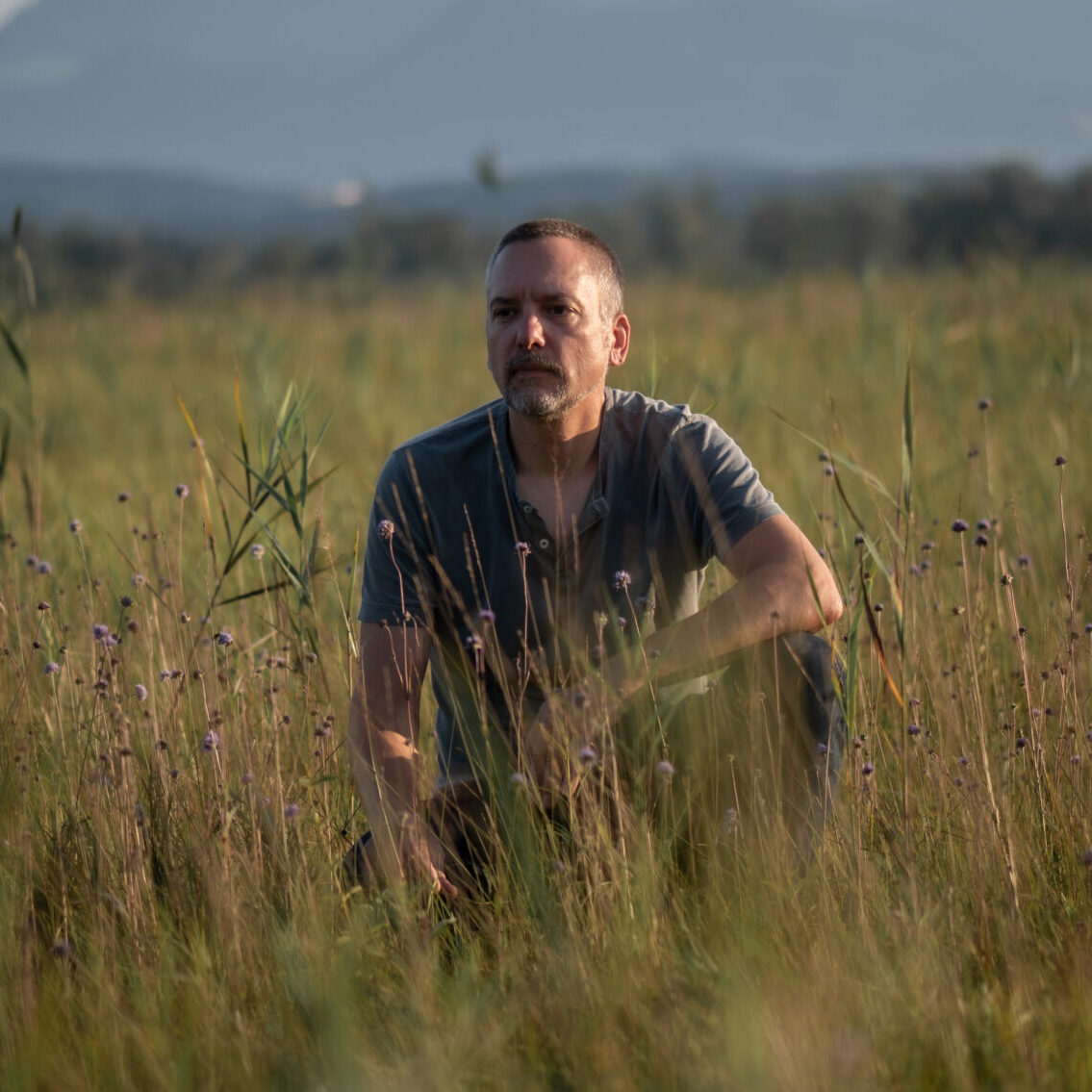
    Thomas Foster creates emotionally direct electronic music and world-class broadcast sound branding—balancing hook craft, orchestration, and modern sound design while teaching thousands of producers along the way.

    Thomas Foster

    Introduction

    Q: For people discovering you for the first time: how would you describe yourself as an artist—and how do you balance your worlds of solo releases, sonic branding, and education?

    Thomas: I started making music when I was six years old, and by the time I was twelve, I already had a clear vision: I wanted to become a music producer. Since then, I’ve been working toward that goal. In my early twenties, I had my first successes with Hitradio Ö3, Austria’s only major pop radio station at the time. What shaped me early on was that I was never focused on just one lane. One day I’d produce a commercial that had to sound a certain way, the next day a radio jingle with completely different requirements, and then music for children’s television—again, with a totally different aesthetic. I realized quite early that I actually love this process of stepping into a musical style I’ve never worked in before, understanding it, and then trying to recreate it as authentically as possible. That mindset still defines my work as an artist today. On Spotify, which for a long time was more of a side project but has become much more important to me in recent years, I’m still very much a chameleon. I might produce a trance track one day, and a chillout track the next—or deep house, EDM, hyper techno, or even a full Christmas album inspired by the sound of 1970s orchestral recordings. Of course, that makes it harder to build a traditional fanbase, because people who love one track might not connect with the next. But interestingly, the place where everything comes together is my YouTube channel. There, I’ve built a community that doesn’t follow me for one specific sound, but for the idea behind it—the curiosity, the exploration, and the willingness to try different things. In a way, that’s where the consistency lies. Even though the music changes, the intention behind it stays the same. That’s probably the most honest version of who I am as an artist.

    Q: You started on piano early and studied composition at the Mozarteum as a teenager. What were the biggest formative moments that shaped your musical instincts—and when did you realize production could become your life’s work?

    Thomas: My relationship with piano lessons was quite complicated for a long time. On one hand, I knew very early—around the age of six—that I wanted to become a musician. At first, that probably meant something like becoming the next Michael Jackson. Later, around twelve, that vision became more concrete: I wanted to be a music producer. But the piano education I received was rooted in classical music—Bach, Haydn, Mozart, and Beethoven. Honestly, that world didn’t connect with me at all. I wanted to be able to play the piano, but I didn’t want to practice it that way. I felt no emotional connection to that repertoire. When I was sixteen, I told my parents that I didn’t want to play Mozart and Beethoven anymore—I wanted to play The Beatles and Queen. Fortunately, my piano teacher was very open to that. She started teaching me harmony and how to play pop songs, and that changed everything. For the first time, I felt like I had access to a musical language that was actually connected to what I loved. Suddenly, I had the tools—the alphabet—to create music that felt real and relevant to me. That was a major turning point. Interestingly, when I later studied composition at the Mozarteum, it felt like a step backward at the time. Looking back now, though, I can see how valuable that education was—especially in the orchestral work I do today. Still, the most important key for me has always been experimentation: learning by doing, exploring, and figuring things out hands-on.

    Latest Work

    Q: What would you like listeners to know about your current musical chapter?

    Thomas: Coming from a background in commercial music and radio jingles, I was trained to think less about my own emotions and more about the emotion of the product. That mindset still influences my work as an artist. But every now and then, I consciously stop and remind myself that this isn’t about what others might feel—it’s about what I feel. When that happens, everything changes. There are moments in the studio when I get emotional—not from sadness, but from a deep sense of happiness and connection. I’m not always sure whether listeners can hear that difference. But I can feel it, and that alone makes this current chapter incredibly meaningful to me.

    Q: Across your recent releases, what emotional or conceptual thread do you keep returning to—and why does it matter to you right now?

    Thomas: Music is always experienced at different points in time—one for the artist and another for the listener. What you hear today represents where I was creatively in the past. Internally, though, I’ve already moved on. Right now, I’m in a phase where I want to redefine my sound—to develop a clear artistic DNA that truly represents me. That direction is already quite far removed from what you can currently hear in my latest releases.

    Creative Approach

    Thomas Foster

    Q: Your background in writing for radio/TV teaches extreme clarity and impact. How does that ‘broadcast mindset’ influence your songwriting, sound design, and arrangement when you create music under your own name?

    Thomas: Client work, personal music, and my YouTube channel are deeply connected. Client work gave me speed and routine. My own music allows me to experiment. And YouTube forces me to learn even more deeply. All three areas constantly feed into each other, and that exchange is what keeps everything evolving.

    Q: Can you describe a moment in a project where everything clicked—or almost fell apart? What decision saved it?

    Thomas: The most important moments often don’t happen in the studio. They happen in everyday life—when suddenly, you know how something should sound. Sometimes I’ve completely finished a project and then had that moment. I threw everything away and started again. That’s the difference between something good and something truly special.

    Personal & Creativity-Related

    Q: Outside the studio, what keeps your creative engine running—places, routines, films, books, conversations, silence, something else?

    Thomas: I don’t struggle to become creative—I struggle to switch it off. Even on vacation, my mind starts working after a short time. Ideas keep coming. It’s driven by something very deep—probably rooted in early recognition and motivation. It can be exhausting, but it’s also what keeps me moving.

    Q: Do you follow a repeatable workflow when you start a track, or do you thrive on spontaneity? What’s one habit that consistently leads to better results for you?

    Thomas: I have two workflows. One is structured: beat, chords, arrangement. The other starts with the core idea—the emotional center. And the second one usually leads to better results.

    Q: How do you deal with creative blocks or self-doubt—especially when you’re under deadlines?

    Thomas: I’m not working alone—we’re a team of three producers. We compete, but we also support each other. That dynamic helps us overcome creative blocks and pushes us toward better results.

    Inspiration & Listening

    Q: What artists, albums, or producers have inspired you recently—and what specific element sparked you?

    Thomas: I had a powerful experience in Ibiza at UNVRS, seeing Eric Prydz perform “Opus.” The combination of music, visuals, and energy created a state that felt almost unreal. It reminded me how powerful music can be.

    Q: If you could recommend one piece of music—any genre—that everyone should hear at least once, what would it be and why?

    Thomas: “Don’t Stop Me Now” by Queen. No other song captures pure energy and positivity in such an explosive way.

    Creative Philosophy & Vision

    Q: Where do experimentation and risk-taking fit into your work today—both in client-driven productions and in your personal releases? What’s a ‘safe risk’ you love taking?

    Thomas: We’ve always believed in doing things differently. Today, technology allows us to take safe risks—to experiment freely while still staying in control.

    Q: If there were no limits—no deadlines, no budget constraints, no technical restrictions—what would your dream project look like?

    Thomas: A creative space near the sea, with artists constantly collaborating. A place where music happens naturally—something between Ibiza and Paisley Park.

    From Silence to Sound – Creative Identity

    Q: I often explore how personal decisions shape a signature sound. Which choices define yours most clearly—your harmonic language, grooves, instrument palette, sound design, mix space, or something else?

    Thomas: Not complexity—emotion. Everything starts with one question: what should the listener feel?

    Q: Looking back, what were the key turning points that changed how you create?

    Thomas: Building Foster Kent with a partner—and starting my YouTube channel. Both changed everything.

    Closing

    Thomas Foster

    Q: What do you hope listeners feel or take away from your music—especially on days when they need calm, energy, or a reset?

    Thomas: I once had a moment in the car with my son, singing along to a song. If I can create something like that for even one person, that’s enough.

    Q: What’s the most valuable advice you’d give to a producer who’s overwhelmed by options and wants to find their own voice faster?

    Thomas: Don’t try to be unique from day one. First, become good within a space that works. Then evolve. Your voice will come naturally.

    Q: Finally, what’s next for you—musically, professionally, and creatively? What should we watch out for in the coming months?

    Thomas: In the early 2000s, I built a live instrument called NYX (N-Y-X)—a transparent touchscreen that allows me to perform electronic music live while facing the audience. You can actually find performances of it on YouTube if you search for “NYX Thomas Foster.” Now I’m rebuilding it from scratch, taking it to a completely new level and integrating modern technology and artificial intelligence. This will become a new artistic project with its own identity and name, alongside my work as Thomas Foster. My goal is to bring it to life by the end of the summer. It truly feels like the beginning of a new chapter.

  • Christoph Sebastian Pabst Interview: Christoph on Place‑Inspired Electronica, Creative Freedom, and Capturing the Now

    Christoph Sebastian Pabst Interview: Christoph on Place‑Inspired Electronica, Creative Freedom, and Capturing the Now

    Christoph Sebastian Pabst creates melodic, place-inspired electronica where deep-house pulse meets ambient air—music that turns landscape, memory, and motion into warm, emotionally direct sound.

    The Interview

    Introduction

    Q: For those who don’t know you yet: how would you describe yourself as an artist in a few sentences—and what kind of emotional space do you want your music to open for listeners?

    Christoph: I see myself as a producer and artist who is fundamentally free and independent. While I try to maintain a certain artistic line, my influences are quite diverse. If you stream my music, you might not always find a single “red thread” because I move between Ambient, Neoclassical, Chillout, Downbeat, and Deep House. But for me, it is always about a feeling, a specific emotion that is present the moment I create. It can range from deep melancholy to pure happiness. Honestly, I don’t even feel like a musician in the traditional sense, as I haven’t mastered any instrument. I wouldn’t belong on a stage, unless it was just to turn a cutoff knob or slide an envelope. I’m a creator of moods.

    Q: Your journey includes phases of growth, a longer pause, and a strong return with a clear identity. What was your path into music like—was there a defining moment when you knew you wanted to create your own worlds through sound?

    Christoph: I fell in love with pianos and keyboards very early on. My sister took lessons on an upright piano at home, and whenever it was free, I would sit down and improvise. I never had formal lessons; to me, sheet music looks like hieroglyphics.

    In the early 90s, the Amiga 500 opened the door to electronic music for me. I was the first in my circle with an 8-bit sampler, playing sounds via the computer keyboard using a 4-track tracker. Eventually, I built a full studio in my basement with legendary gear like the MS-20, Juno 60, and TB-303. But back then, I didn’t truly understand the technical side of production, the sound was often muddy. After a brief stint releasing Disco House on vinyl and later moving away for my medical studies and starting a family, music faded into the background for years.

    The turning point came years later while I was traveling as a locum doctor. I rediscovered my old ideas and felt it was a tragedy to let them be forgotten. I sent them to you, Thomas — we had met years earlier through a classified ad — and that spark led to our first song, Pastellstrand, and to our albums Meerblick and Bergblick. That return to music felt like coming home.

    Latest Work

    Q: How did the Chiemgau region shape “Chiemgaumorgen” and “Traunnebel,” and what do you hope listeners feel when they hear them?

    Christoph: Right now, I’m working on a beautiful new project with…you! That will eventually become an album. It’s inspired by the Chiemgau region where I live. The first songs, Chiemgaumorgen and Traunnebel, are quiet Ambient pieces with a Neoclassical touch. It’s music for wandering through nature, for standing by the lake or in the mountains, and simply marveling at the world. It’s best heard when you want to relax and breathe.

    Q: How would you describe this release in your own words—and where does it sit in your evolution as an artist right now?

    Christoph: I tend to find ideas and inspiring sounds very spontaneously. Because of my medical profession and my family, I often don’t have the time to get lost in the tiny technical details of mixing and mastering. I am incredibly grateful to you Thomas for that. You are a master of clarity and depth. You handle the final polish, the Dolby Atmos versions, and the visual side. This allows me to stay in the pure creative flow of finding that initial spark.

    Q: Your work often feels connected to specific places and moods—Bavarian landscapes, lakes, mornings, islands, wide horizons. What emotional or conceptual thread did you keep returning to while making this new piece?

    Christoph: The Chiemgau is a landscape of contrasts. You have wide plains and gentle hills meeting the jagged edges of the Alps and the vastness of the Lake Chiemsee. I am captivated by the reflections in the still water at sunrise, the mystery of morning fog, and that tension between vastness and limitation. It’s where reality and fantasy meet.

    Creative Approach

    Q: How did you approach the creative process for this project—writing, sound design, arrangement, mixing? Was it different from your earlier releases?

    Christoph: My process is very intimate. I sit at my desk at night with my MacBook, my Genelec speakers, and my master keyboard. I’ll pull up a beautiful felt piano or a synth pad, add some reverb and delay, and then I just close my eyes and play. I visualize the mountains and the water, and usually, a perfect basis for a song emerges surprisingly quickly.

    Q: Can you describe a moment during the creation where everything clicked—or almost fell apart? What changed the outcome in the end?

    Christoph: There are dry spells, of course. Sometimes the sound is right but the melody is wrong. I’ll sleep on it, throw out everything that doesn’t resonate, and start fresh with whatever fragment felt “real.” For this Chiemgau project, focusing on Ambient has been a relief. I’ve always struggled with beats and rhythms — I often have something in my head that I can’t translate to my satisfaction. By letting the beats go, the melodies just flow out of me.

    Personal & Creativity-Related

    Q: Your music often feels like it’s born from place: you translate landscapes into harmony, texture, and rhythm. What does a “real location” become in your studio—chords, tempo, sound palette, silence?

    Christoph: The Chiemgau is soft and warm. The sound of this place, to me, is analog and living, but never harsh. In the studio, this means the filters on my synths are never fully open; the frequencies aren’t too high. The bass has a solid foundation. It’s a slow, evolving sound — not “pure” ambient that just drifts, but something that carries a melody, blurring the lines with Neoclassical and Chillout.

    Q: Your sound balances an emotional warmth with clean electronic production. Do you have a routine, ritual, or habit that helps you stay inspired (certain hours, a walking route, a first sound you always start with)—or do you thrive more on spontaneity?

    Christoph: It’s almost entirely spontaneous. I need a sound that fits the exact moment. When I find a preset that moves me, I start shaping it — swapping a square wave for a sawtooth, playing with the envelope and the stereo image until it feels alive.

    Q: How do you deal with creative blocks, self-doubt, or periods of silence—especially when you’re working with subtle emotions and minimal elements?

    Christoph: If it’s not working, I walk away. I’ll bounce a rough idea and listen to it in the car or at breakfast. Often, the solution comes to me while I’m not at the desk, and I can’t wait to get back to it.

    I’ve also consciously stepped back from social media. I found myself “killing time” by scrolling, and it didn’t feel good. I prefer the “real” silence now. True silence can be haunting at first because it forces you to face yourself, but it’s where the best ideas live.

    Inspiration & Listening

    Q: Which artists or albums have inspired you most recently, and why? (Harmony, groove, sound design, storytelling, restraint—anything that sparked a new idea.)

    Christoph: I don’t actually listen to music around the clock — I need space for conversations and family life. But I am moved by artists like Ólafur Arnalds or Two Lanes. I admire their sense of restraint. For a while, I was fascinated by Dreamscapes — how a simple, expressive melody can feel so complete.

    Q: If you could recommend one piece of music—any genre—that everyone should listen to at least once, what would it be?

    Christoph: That’s hard! I grew up inspired by Vangelis and Jean-Michel Jarre, but I’d probably point toward the classics like Phil Collins, Depeche Mode or Sting. They laid the foundations for everything we do today.

    Creative Philosophy & Vision

    Q: Your music walks a fine line: it can be functional (focus/relax) and still emotionally meaningful. What role do experimentation and risk-taking play in your music—and where do you allow yourself to break your own “rules”?

    Christoph: I don’t really have “rules” to break because I don’t think in terms of theory. I often realize after a song is finished that it isn’t in a 4/4 time signature. My project Toteles was my space for going “all over the place” experimentally, even if it wasn’t a commercial success. It was pure joy.

    Q: If there were no limits—no budget, no deadlines, no technical restrictions—what would your dream creative project look like? (A concept EP tied to places, a long-form album journey, film/series scoring, immersive audio, a live setup, etc.)

    Christoph: I’ve always wanted to score a film. I’ve entered competitions before, and while I didn’t always hit the “jury’s taste,” I know I could create something deeply emotional for a quiet, contemplative movie — drama, science fiction, fantasy, romance or documentary film.

    From Silence to Sound – Creative Identity

    Q: I often explore how personal decisions shape a musician’s signature sound. Which choices do you feel most strongly define your sound—your chord language, your relationship to groove, your instrument palette (felt piano / organic textures), your mix aesthetics, your sense of space?

    Christoph: My sounds have very few overtones; I avoid harsh highs. I prefer felt piano over a grand piano, and I like my chords to have a bit of a “wrong” note in them, something that creates a subtle contrast. I couldn’t tell you the names of the chords, but I know how they feel.

    Q: You also release music under the name TEPON. What made you create a second identity—and what is different there (emotion, tempo, storytelling, sound palette)? How do you decide which idea belongs to Christoph Sebastian Pabst vs. TEPON?

    Christoph: TEPON was an attempt to create a “pure” Ambient identity, partly to escape my struggle with beats. But truthfully, the lines are blurring. The Chiemgau project with you occupies that same soul-space.

    Closing

    Q: What do you hope listeners feel or take away when they experience your music—especially on days when they need calm, clarity, or a reset?

    Christoph: I want them to feel themselves, to notice the nuances of being alive. I want the music to help them connect with the world and feel a deep gratitude for what we have. It’s about making the things that fade in the busyness of everyday life shine again.

    Q: If you could give one piece of advice to someone at the beginning of their creative journey, what would it be?

    Christoph: Just start. You don’t need a Moog or a professional studio. Sit down, experiment, and learn from how you feel while playing. Ask for help, watch tutorials, but most importantly: don’t try to be someone else. You are interesting and valuable exactly as you are. The world is waiting for your unique story, not for more of the same.

    Q: You’ve collaborated in different constellations (duo projects, remixes, joint singles). What do collaborations teach you about your own sound—and how do you keep your personal artistic identity strong inside a shared process?

    Christoph: I learn so much through collaborations. I draw a lot of inspiration from the exchange with another artist, it always brings forth something entirely different than if I had created the music alone in isolation. It develops this genuine sense of “we,” a true togetherness. Of course, it’s all part of the journey: sharing the joy of a breakthrough, and sometimes perhaps being briefly irritated by an influence that doesn’t quite seem to fit at first. But it is exactly this exchange that fulfills me. You share the music with someone long before the world outside hears it. I enjoy that very much, and I’m always thrilled whenever I find new input from you or suddenly discover an idea or a finished song in my inbox to check out. It makes the entire process come alive.

    Q: Finally, what’s next for you—what should we be looking forward to?

    Christoph: More singles with you Thomas, leading up to an album! But to be honest, we don’t have a name for it yet. I think we should keep it simple and pure. How about just Chiemgau, or perhaps Chiemo, the namesake of the region? Whatever we decide, it’s going to be something very special. I’m just so happy to be on this journey with you again!

  • Meerle Interview: Meerle on the Spark, First Releases, and Songwriting as a Safe Space

    Meerle Interview: Meerle on the Spark, First Releases, and Songwriting as a Safe Space

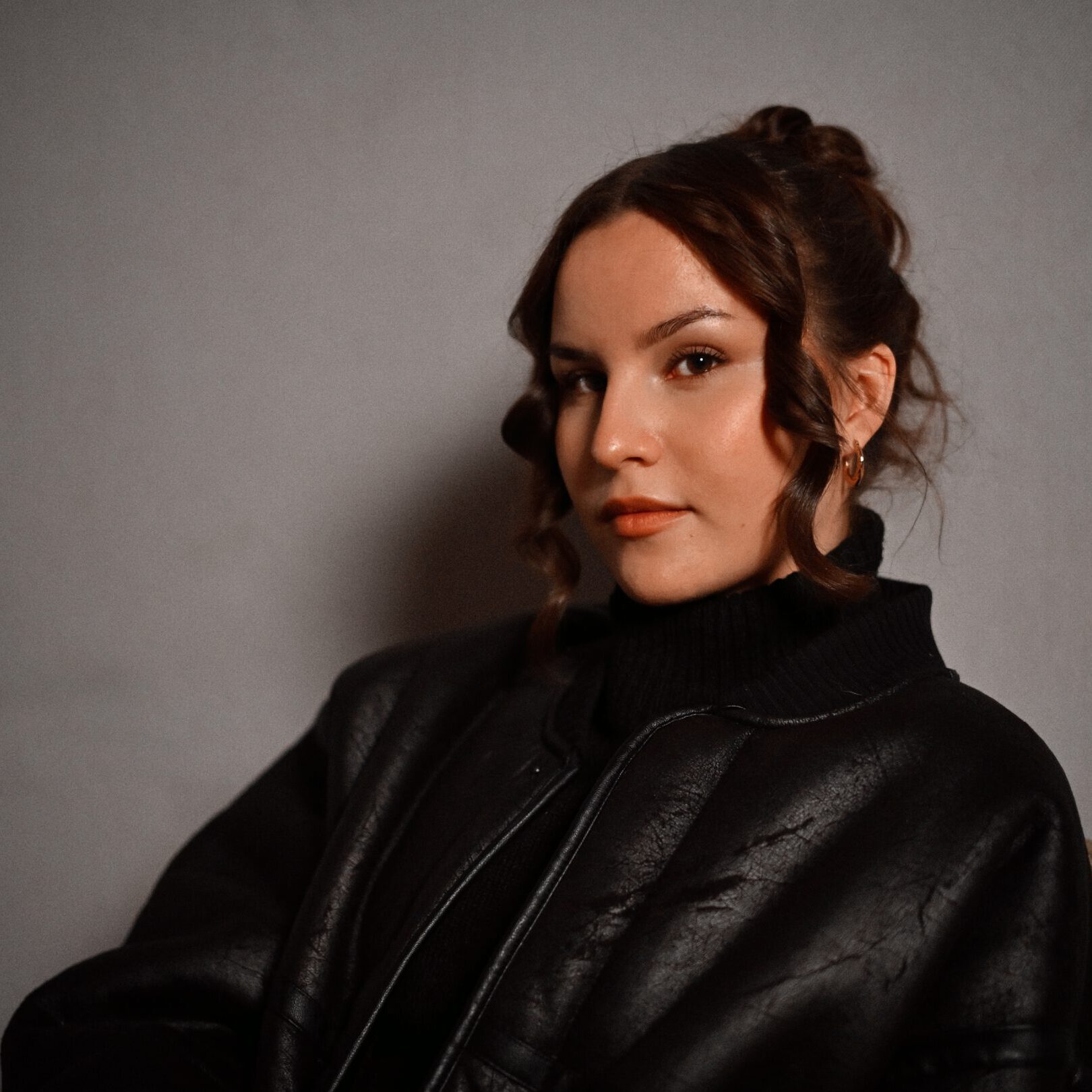
    Meerle is a young, emerging artist at the very beginning of her journey—turning first sparks of inspiration into finished songs with a clear, personal voice. In this interview, she reflects on writing her first releases, what it feels like to put those early singles out into the world, and how collaboration (including working closely with her father in the studio) shapes her sound and confidence.

    Meerle

    The Spark

    Q: When you think back to the moment your “fire” for writing your own songs truly ignited—what happened, and why right then?

    Meerle: My “fire” didn’t start in one single, big moment. It was more of a gradual process.

    Back then, my life changed a lot. I felt uncertain, had many questions, and often didn’t know what to do with my thoughts. It was in that phase that I started writing—without knowing it would turn into songs.

    At some point I realized: this is more than just writing my thoughts into a diary. It’s my way of feeling, processing, and bringing a little more order to everything in my head. When I sang my first words, I knew: this is where my heart belongs. This is how I want to express myself and show my feelings.

    Q: You grew up in a musical family and recorded in your father’s studio as a kid. What did that spark in you—and was there ever a point where you had to separate from that to find “your” voice?

    Meerle: I feel incredibly lucky that I’ve been able to make music with my father since childhood. It allowed me to discover music without pressure—simply in its most beautiful and honest form. For me, the studio was never a place of expectation, but a place of creativity and trust.

    More than anything, it sparked joy and curiosity in me. I was allowed to try things, make mistakes, and grow—and I was always supported. That sense of safety gave me an incredible amount of confidence.

    And I wouldn’t say I had to break away from that to find “my” voice. Quite the opposite: I’m very grateful to still have him by my side today, especially in production. He has known my musical path from the very first note. For me, it’s not a shadow I had to step out of, but a support system that gives me security.

    Q: You started playing violin at nine. What role does your instrument still play today—as a sound, a physical feeling, a way of thinking when you write?

    Meerle: Playing violin was actually my first real entry into the world of instruments. It was the first time I read sheet music and didn’t just sing music, but felt it in a different way. It was a really beautiful start.

    In my own songs today, violin doesn’t play a big role anymore. But I can still tell it shaped me. When I write, I think a lot in melodies and moods, and I pay attention to nuances. The violin may not be directly audible in my music anymore, but it definitely helped shape how I understand music and write today.

    Der Funke

    Q: Wenn du an den Moment denkst, in dem dein „Feuer“ für eigene Songs wirklich entfacht wurde: Was ist damals passiert — und warum genau da?

    Meerle: Mein „Feuer“ ist nicht in einem einzigen, großen Moment entstanden. Es war eher ein schleichender Prozess.

    Damals hat sich mein Leben stark verändert. Ich hatte Unsicherheiten, viele Fragen und wusste oft nicht, wohin mit meinen Gedanken. In genau dieser Phase habe ich angefangen zu schreiben, aber ohne zu wissen, dass daraus Songs entstehen würden.

    Irgendwann habe ich gemerkt: Das hier ist mehr als nur meine Gedanken in ein Tagebuch zu schreiben. Das ist meine Art zu fühlen, zu verarbeiten und alles in meinem Kopf ein wenig mehr zu sortieren. Als ich dann meine ersten Worte gesungen habe, wusste ich: Genau hierhin gehört mein Herz. Genauso möchte ich mich ausdrücken und meine Gefühle zeigen.

    Q: Du bist in einer musikalischen Familie aufgewachsen und hast als Kind schon im Studio deines Vaters aufgenommen. Was hat das in dir ausgelöst — und gab es auch einen Punkt, an dem du dich davon lösen musstest, um „deine“ Stimme zu finden?

    Meerle: Ich sehe es als riesiges Glück, dass ich seit meiner Kindheit mit meinem Vater Musik machen durfte. Dadurch konnte ich Musik ganz ohne Druck kennenlernen, einfach in ihrer schönsten und ehrlichsten Form. Das Studio war für mich nie ein Ort von Erwartung, sondern ein Ort von Kreativität und Vertrauen.

    Es hat in mir vor allem Freude und Neugier ausgelöst. Ich durfte ausprobieren, Fehler machen und wachsen und wurde dabei immer unterstützt. Diese Sicherheit hat mir unglaublich viel Selbstvertrauen gegeben.

    Und ich würde nicht sagen, dass ich mich davon lösen musste, um „meine“ Stimme zu finden. Ganz im Gegenteil: Ich bin sehr dankbar, ihn auch heute noch, gerade in der Produktion, an meiner Seite zu haben. Er kennt meinen musikalischen Weg seit dem ersten Ton. Für mich ist das kein Schatten, aus dem ich treten musste, sondern vielmehr Halt, der mir Sicherheit gibt.

    Q: Mit neun hast du Geige angefangen. Welche Rolle spielt dein Instrument heute noch — als Klang, als Körpergefühl, als Denkweise beim Schreiben?

    Meerle: Das Geigespielen war eigentlich mein erster richtiger Zugang zur Instrumentenwelt. Ich habe zum ersten Mal Noten gelesen und Musik nicht nur gesungen, sondern auch anders gefühlt. Das war ein total schöner Einstieg.

    In meinen eigenen Songs spielt die Geige heute keine große Rolle mehr. Aber ich merke trotzdem, dass sie mich geprägt hat. Ich denke beim Schreiben viel in Melodien und Stimmungen und achte auf Feinheiten. Die Geige ist vielleicht nicht mehr direkt hörbar in meiner Musik, aber sie hat definitiv mitgeholfen, wie ich heute Musik verstehe und schreibe.

    First Releases

    Q: What does it feel like to release your first two singles—emotionally, but also in everyday life? What surprised you (in a good way or as a challenge)?

    Meerle: It’s an incredibly beautiful and intense feeling to have released my first two singles. I’m genuinely proud of myself, because for me it meant stepping out of my comfort zone and showing my thoughts and feelings to the outside world. That step took courage—and that’s exactly why it makes me even prouder.

    What really moved me was the amount of support I received. So many people left kind words, shared my songs, or wrote to me personally—even some I never would have expected. I’m truly very grateful for that.

    Everyday life has changed, too. Since I started writing my own lyrics, I listen to music very differently. I don’t just listen—I analyze it and pay attention to details, phrasing, and the emotions between the lines. At the same time, I’ve become much more observant—both of my own thoughts and of certain situations. I often think, this could become a song. Inspiration suddenly shows up everywhere.

    What also surprised me was how connecting music can be. Experiencing that people recognize themselves in my feelings gives me an incredibly beautiful sense of connection. The challenging part might be letting go—because once a song is out, it no longer belongs only to me. But that’s also what makes it so special.

    Above all, it feels incredibly valuable to be able to show people how I feel and think.

    Q: “Weggefährten” is very minimal (piano & voice), while “In jedem Wort” opens up musically (voices, guitars, band). What triggered that step—and what did you want to tell through it that wasn’t possible before?

    Meerle: With “Weggefährten,” even the very first demo version was extremely reduced—just the piano. That’s where I sang my own lyrics for the first time, and in that moment it felt completely right. It was so coherent and honest that I quickly realized: this song doesn’t need more. Any additional layer would have taken away something of that original intimacy. The strength of this song was in its simplicity.

    “In jedem Wort” also started very minimal—just an acoustic guitar. But the process felt different here. Early on I had the feeling there was more inside this song, that it could grow further. The first step was replacing the acoustic guitar with an electric guitar. That already created a lot more depth. But you could feel it: there was still more to come.

    Compared to “Weggefährten,” “In jedem Wort” blossomed much more during the process—it just happened naturally, and everything worked together beautifully.

    I don’t think it always takes endless overthinking. Much more important is that inner sense of when something is right. With one song, that feeling was there after a few simple piano notes. With the other, creativity was allowed to flow longer, to become bigger. And that’s exactly what let me tell a little more musically.

    Erste Releases

    Q: Wie fühlt es sich an, die ersten beiden Singles zu veröffentlichen — emotional, aber auch im Alltag? Was hat dich überrascht (positiv oder herausfordernd)?

    Meerle: Es ist ein unglaublich schönes und intensives Gefühl, meine ersten beiden Singles veröffentlicht zu haben. Ich bin wirklich stolz auf mich, weil es für mich bedeutet hat, über meinen eigenen Schatten zu springen und mich mit meinen Gedanken und Gefühlen nach außen zu zeigen. Dieser Schritt hat Mut gekostet, aber genau deshalb macht es mich auch besonders stolz.

    Besonders berührt hat mich die viele Unterstützung, die ich erfahren durfte. So viele Menschen haben liebe Worte dagelassen, mich geteilt oder mir persönlich geschrieben, sogar einige, von denen ich es niemals erwartet hätte. Darüber war und bin ich wirklich sehr dankbar.

    Auch im Alltag hat sich etwas verändert. Seit ich selbst Texte schreibe, höre ich Musik ganz anders. Ich höre sie nicht mehr nur, sondern analysiere sie und achte auf Details, auf Formulierungen, auf Emotionen zwischen den Zeilen. Gleichzeitig bin ich viel aufmerksamer geworden – sowohl bei meinen eigenen Gedanken als auch in bestimmten Situationen. Dann denke ich oft, dass daraus ein Lied entstehen könnte. Inspiration begegnet mir plötzlich überall.

    Was mich außerdem überrascht hat, war, wie verbindend Musik sein kann. Zu erleben, dass Menschen sich in meinen Gefühlen wiederfinden, gibt mir ein unglaublich schönes Gefühl. Herausfordernd war vielleicht der Moment des Loslassens, denn sobald ein Song draußen ist, gehört er nicht mehr nur mir. Aber genau das macht es ja auch so besonders.

    Primär ist es für mich auf jeden Fall etwas sehr Wertvolles, den Menschen zeigen zu dürfen, wie ich fühle und denke.

    Q: „Weggefährten“ ist sehr reduziert (Piano & Stimme), „In jedem Wort“ öffnet sich musikalisch deutlich (Stimmen, Gitarren, Band). Was hat diesen Schritt ausgelöst — und was wolltest du dadurch erzählen, was vorher noch nicht möglich war?

    Meerle: Bei „Weggefährten“ war schon die erste Demo-Version ganz reduziert, nur das Klavier. Darauf habe ich zum ersten Mal meinen eigenen Text gesungen, und genau in diesem Moment hat es sich vollkommen richtig angefühlt. Es war so stimmig und ehrlich, dass ich schnell gemerkt habe: Mehr braucht dieses Lied gar nicht. Jede zusätzliche Ebene hätte fast schon etwas von dieser ursprünglichen Intimität genommen. Bei diesem Lied lag die Kraft in der Einfachheit.

    „In jedem Wort“ begann ebenfalls sehr reduziert, nur mit einer Akustikgitarre. Doch hier hat sich der Prozess anders angefühlt. Schon früh hatte ich das Gefühl, dass in diesem Song noch mehr steckt, dass er noch mehr wachsen kann. Der erste Schritt war, die Akustikgitarre durch eine E-Gitarre zu ersetzen. Das hat schon sehr viel mehr Tiefe erzeugt. Aber es war spürbar: Da geht noch mehr.

    „In jedem Wort“ ist im Vergleich zu „Weggefährten“ im Prozess viel mehr aufgeblüht – das hat sich einfach so ergeben und hat alles wahnsinnig gut harmoniert. Ich glaube, es braucht nicht immer endloses Nachdenken. Viel wichtiger ist dieses innere Gespür dafür, wann etwas richtig ist. Bei dem einen Lied war dieses Gefühl schon nach ein paar einfachen Klaviernoten da. Beim anderen durfte die Kreativität länger fließen, durfte größer werden. Und genau dadurch konnte ich musikalisch noch Etwas mehr erzählen.

    Writing & Process

    Q: In “In jedem Wort,” you talk about writing being a safe space for you. In real life, how do you notice you’d rather write than speak? And what happens inside you when you start writing?

    Meerle: Communication is especially hard for me when conflicts arise, or when I have to explain or justify myself. But also in situations where I’m overthinking a lot. In both moments, I often can’t sort my thoughts properly.

    I notice pretty quickly that I’d rather write than speak. When I speak, I sometimes feel pressured to find the right words immediately—and that tends to block me. With writing, it’s much easier.

    Writing my thoughts down helps me a lot to organize everything that’s in my head. As soon as I start writing, it becomes clearer. It often feels like a big knot in my mind that slowly loosens through writing.

    I tend not to just let moments go, and to think about them for a long time. But once I’ve written them down, it’s often okay for the moment. The thoughts can exist on the page, and I don’t have to carry them around all the time.

    I have lots of loose sheets lying around, or endless notes on my phone. Sometimes it’s just one word, sometimes a sentence, sometimes pages full of thoughts. And my lyrics often grow exactly out of that. Then I pick out bits from everything that moved me at some point.

    Q: How does a song usually start for you—does a sentence come first, a feeling, a melody, a chord, or is it different every time? Walk us through it step by step (from the first spark to the moment you say, “Now it’s finished.”).

    Meerle: As I mentioned above, I have a large collection of thoughts, feelings, or moments that moved me at some point.

    If something won’t let me go, I know it can become a song. That can be a thought I keep coming back to for weeks—but it can also be something completely new that triggers something special in me.

    Writing lyrics comes easily to me, because I’m not thinking, I have to write a song now. Instead it feels like a release—like my feelings are finally allowed to become music.

    Once my lyrics are written, I move on to a melody. And that part is different every time.

    Because I work closely with my father, he takes on a lot when it comes to the compositions. With “Weggefährten,” I came to him with a piano melody, and he helped me refine it. With “In jedem Wort,” the guitar was entirely his idea. He showed it to me, and I just started singing over it. That’s how the first demo came to life. Up until the lyrics are finished, the process looks pretty similar each time. But finishing melodies or full compositions takes longer, because two people are bringing their ideas together.

    Schreiben & Prozess

    Q: In „In jedem Wort“ geht es darum, dass Schreiben für dich ein sicherer Raum ist. Wie merkst du im echten Leben, dass du gerade lieber schreiben als sprechen würdest? Und was passiert dann innerlich, wenn du anfängst zu schreiben?

    Meerle: Kommunikation fällt mir vor allem dann schwer, wenn Konflikte entstehen oder wenn ich mich erklären oder rechtfertigen soll. Aber auch in Situationen, in denen ich sehr viel nachdenke. In beiden Momenten bekomme ich meine Gedanken oft nicht richtig sortiert.

    Ich merke dann ziemlich schnell, dass ich gerade lieber schreiben als sprechen würde. Beim Sprechen fühle ich mich manchmal unter Druck gesetzt, sofort die richtigen Worte finden zu müssen, und genau das blockiert mich eher. Beim Schreiben geht das Ganze deutlich einfacher.

    Es hilft mir sehr, meine Gedanken aufzuschreiben, um all das, was im Kopf ist, etwas zu ordnen. Sobald ich anfange zu schreiben, wird es klarer. Oft fühlt es sich an wie ein großer Knoten im Kopf, der sich durch das Schreiben langsam löst.

    Ich neige dazu, Momente nicht einfach loszulassen und lange darüber nachzudenken. Wenn ich sie aber erst einmal aufgeschrieben habe, ist es oft erst mal gut. Dann dürfen die Gedanken da stehen und ich muss sie nicht die ganze Zeit weiter mit mir herumtragen.

    Ich habe viele lose Blätter herumliegen oder ewig lange Notizen im Handy. Manchmal steht da nur ein Wort, manchmal ein Satz, manchmal Seiten voller Gedanken. Und oft entstehen genau daraus meine Liedtexte. Dann sammle ich aus allem etwas heraus, was mich irgendwann bewegt hat.

    Q: Wie entsteht bei dir ein Song meistens: Kommt zuerst ein Satz, ein Gefühl, eine Melodie, ein Akkord — oder ist es jedes Mal anders? Nimm uns einmal Schritt für Schritt mit (vom ersten Funken bis zu dem Moment, in dem du sagst: „Jetzt ist er fertig.“).

    Meerle: Wie oben bereits geschrieben, habe ich eine große Auswahl an Gedanken, Gefühlen oder Momenten, die mich irgendwann mal bewegt haben.

    Wenn mich etwas nicht loslässt, weiß ich, dass daraus ein Lied werden kann. Das kann ein Gedanke sein, den ich seit Wochen immer wieder aufgreife, es kann aber auch etwas ganz Neues sein, das etwas Besonderes in mir auslöst.

    Das Schreiben der Texte fällt mir leicht, weil ich nicht denke: Ich muss jetzt ein Lied schreiben. Vielmehr ist es wie eine Befreiung, dass meine Gefühle jetzt zu Musik werden können.

    Wenn meine Texte geschrieben sind, geht es weiter mit einer Melodie. Hier ist es jedes Mal anders.

    Da ich eng mit meinem Vater zusammenarbeite, übernimmt er viel, was die Kompositionen angeht. Bei „Weggefährten“ kam ich mit einer Klaviermelodie zu ihm, und er konnte mir helfen, diese zu perfektionieren. Bei „In jedem Wort“ war die Gitarre eine reine Idee von ihm. Er zeigte sie mir, und ich sang einfach mal darauf. So entstand die erste Demoversion. Bis der Text fertig ist, sieht es immer ähnlich aus, während es bei der Fertigstellung von Melodien oder ganzen Kompositionen länger dauert, weil hier zwei Menschen ihre Ideen zusammenbringen.

    Meerle
    Meerle

    Production & Collaboration

    Q: How is your collaboration with your father organized in practice? What roles do you each take on (song idea, arrangement, recording, production, mix decisions)—and how do you decide when you disagree?

    Meerle: The song ideas come from me, and I also write my lyrics completely on my own. For melodies and instruments, I usually bring an initial idea into the studio. My father takes those ideas and develops them further. He polishes the arrangement, plays the instruments, records, and handles the entire production.

    So he takes care of a lot of the technical and musical execution, while I’m mainly responsible for the content and emotional foundation. Still, it’s a shared process: we’re always talking and developing the songs together.

    We actually rarely disagree. When it comes to production or mix decisions, I trust him a lot, because he has the experience and knows exactly how to translate my vision in the best possible way. I’m still at the very beginning, and I mainly want to learn and gain experience.

    I’m incredibly grateful that I get to walk this path with my father. He takes on so much and supports me in everything—musically and as a person. I truly couldn’t imagine anyone better to share my musical journey with. 🙂

    Q: How much influence do you have on sound and production yourself? Which decisions do you make very consciously (e.g., tempo, tone colors, instruments, vocal aesthetic, space/reverb)—and where do you like being guided?

    Meerle: Recording the vocals is completely on me at first. I decide how I want to sing something, what mood I want to convey, and I have pretty clear ideas of how it should sound in the end. I also have a good sense of what feels right for me.

    When it comes to the instruments and the overall sound, the decisions are more on my father. He handles the arrangement, chooses tone colors, and takes care of production and everything technical behind it.

    Of course, he also supports me vocally when I’m unsure—for example with the key, or when it comes to how fast or calm something should be sung. But he always lets me try things first and feel my way into it. And only when I notice I’m stuck or need feedback does he give me advice. So I have a lot of influence especially on my voice and the emotional direction, and I get to experiment freely there. For sound and production, I’m happy to be guided, because I know he has the experience to realize my ideas so that in the end it sounds exactly the way I imagine it.

    Produktion & Zusammenarbeit

    Q: Wie ist die Zusammenarbeit mit deinem Vater konkret organisiert? Welche Rollen nehmt ihr ein (Songidee, Arrangement, Recording, Produktion, Mix-Entscheidungen) — und wie trefft ihr Entscheidungen, wenn ihr unterschiedlicher Meinung seid?

    Meerle: Die Songideen kommen von mir, und auch meine Texte schreibe ich komplett selbst. Bei den Melodien und Instrumenten bringe ich meistens eine erste Idee mit ins Studio. Mein Vater nimmt diese Ideen dann und arbeitet sie weiter aus. Er perfektioniert das Arrangement, übernimmt das Einspielen der Instrumente, das Recording und die komplette Produktion.

    Er kümmert sich also viel um die technische und musikalische Ausarbeitung, während ich vor allem für die inhaltliche und emotionale Basis zuständig bin. Trotzdem ist es ein gemeinsamer Prozess: Wir tauschen uns immer aus und entwickeln die Songs zusammen weiter.

    Meinungsverschiedenheiten haben wir tatsächlich selten. Wenn es um Produktions- oder Mix-Entscheidungen geht, vertraue ich ihm sehr, weil er einfach die Erfahrung hat und genau weiß, wie er meine Vorstellungen bestmöglich umsetzt. Ich stehe ja noch ganz am Anfang und möchte vor allem lernen und Erfahrungen sammeln.

    Ich bin unglaublich dankbar, dass ich diesen Weg mit meinem Vater gehen darf. Er übernimmt wahnsinnig viel und unterstützt mich in allem, musikalisch wie menschlich. Ich könnte mir wirklich niemanden besseren vorstellen, um gemeinsam meinen musikalischen Weg zu gehen.:)

    Q: Wie viel Einfluss hast du selbst auf Sound und Produktion? Welche Entscheidungen triffst du sehr bewusst (z.B. Tempo, Klangfarben, Instrumente, Vocal-Ästhetik, Raum/Hall) — und wo lässt du dich gern führen?

    Meerle: Das Einsingen liegt erst mal komplett bei mir. Ich entscheide selbst, wie ich etwas singen möchte, welche Stimmung ich transportieren will, und habe dabei auch ziemlich genaue Vorstellungen, wie es sich am Ende anhören soll. Ich habe auch ein gutes Gefühl dafür, was sich für mich richtig anfühlt.

    Bei den Instrumenten und dem generellen Sound liegt die Entscheidung dann eher bei meinem Vater. Er übernimmt das Arrangement, wählt Klangfarben aus und kümmert sich um Produktion und alles Technische dahinter.

    Natürlich unterstützt er mich auch stimmlich, wenn ich unsicher bin, zum Beispiel bei der Tonart oder wenn es darum geht, wie schnell oder ruhig etwas gesungen werden sollte. Er lässt mich aber immer zuerst ausprobieren und reinfühlen. Und erst wenn ich merke, dass ich nicht weiterkomme oder Feedback brauche, gibt er mir Ratschläge.

    Ich habe also vor allem auf meine Stimme und die emotionale Richtung großen Einfluss und darf mich da komplett ausprobieren. Beim Sound und der Produktion lasse ich mich gerne führen, weil ich weiß, dass er die Erfahrung hat, meine Vorstellungen so umzusetzen, dass sie am Ende genau so klingen, wie ich sie mir wünsche.

    Meerle
    Meerle & Thomas Hauser

    Influences & Finishing

    Q: What music truly inspires you right now—not just as a reference, but emotionally? Are there artists/songs where you think, “I want to be that honest,” or “That’s what spaciousness should feel like”?

    Meerle: I like listening to artists where I can analyze the lyrics and understand what they really want to say. I love it when music is genuinely emotional and people show how they feel.

    Artists like Berq, Provinz, or Ivo Martin have lyrics that are emotional, meaningful, and relatable. When I listen to their words, I feel emotionally inspired because they express something through their lyrics.

    I love when I listen to songs and can immediately identify with them. And that’s ultimately what I want from my own music: that people can really feel what I’m singing, and feel understood.

    Q: When you finish a song, what do you feel in the first few minutes afterward—relief, emptiness, pride, fear, anticipation, or something else? And how do you know: “Don’t tweak it anymore—let it go now.”?

    Meerle: First of all, it’s definitely relief and a lot of joy that something you’ve worked on for a long time—and that may have been on your mind for a long time—is finally finished.

    I also always feel a bit nervous about releasing a song, because you never know how it will be received. You think a lot about what people will say, and whether it will come across to others the way you hope.

    Still, I’m proud when a song is finished, because it means you’ve taken another step—even if you weren’t 100% sure about everything the whole time.

    Because I’m very perfectionistic, I like to hand off the final polish, otherwise I keep finding little things that bother me. I also have to be careful not to listen to my own songs too often before the release—because then I start to feel unsure and notice things I could have done better.

    Now I know: when a song is finished and I’m satisfied once, then it really is finished. Then I should stop looking for mistakes and just be happy—and look forward to the release.

    Einflüsse & Fertigwerden

    Q: Welche Musik inspiriert dich gerade wirklich — nicht nur als Referenz, sondern emotional? Gibt es Artists/Songs, bei denen du denkst: „So ehrlich möchte ich auch sein“ oder „So soll sich Weite anfühlen“?

    Meerle: Ich höre gerne Artists, bei denen ich in den Texten analysieren kann, was sie wirklich sagen wollen. Ich mag es sehr, wenn Musik wirklich emotional ist und man auch zeigt, wie man fühlt.

    Künstler wie Berq, Provinz oder Ivo Martin haben Texte, die emotional, wichtig und nachvollziehbar sind. Wenn ich die Texte dieser Künstler höre, bin ich emotional sehr inspiriert, weil sie mit ihren Lyrics etwas ausdrücken.

    Ich liebe es, wenn ich mir Songs anhöre und mich sofort damit identifizieren kann. Genau das ist es am Ende auch, was ich mir von meiner Musik wünsche: dass die Leute wirklich fühlen können, was ich singe, und sich verstanden fühlen.

    Q: Wenn du einen Song fertig hast: Was fühlst du in den ersten Minuten danach? Eher Erleichterung, Leere, Stolz, Angst, Vorfreude — oder etwas ganz anderes? Und woran merkst du: „Jetzt nicht weiter drehen — jetzt loslassen.“?

    Meerle: Es ist auf jeden Fall erst mal eine Erleichterung und große Freude, dass etwas, an dem man lange gearbeitet hat und einen vielleicht auch schon lange beschäftigt hat, nun endlich fertig geworden ist.

    Auf jeden Fall habe ich auch immer ein bisschen Sorge davor, ein Lied herauszubringen, weil man nie weiß, wie etwas ankommt. Man macht sich viele Gedanken darüber, was Leute dazu sagen und ob es auf andere so wirkt, wie man es sich wünscht.

    Trotzdem bin ich stolz, wenn ein Song fertig ist, weil man einen weiteren Schritt gegangen ist, auch wenn man sich vielleicht nicht immer zu 100% mit allem sicher war.

    Da ich sehr perfektionistisch bin, gebe ich den letzten Feinschliff dann gerne noch mal ab, weil ich sonst immer wieder Kleinigkeiten finde, die mich stören. Außerdem muss ich immer sehr darauf achten, meine eigenen Lieder vor dem Release nicht zu oft zu hören, weil ich sonst unsicher werde und mir oft Dinge auffallen, die ich hätte besser machen können. Jetzt weiß ich: Wenn ein Lied einmal fertig ist und ich einmal zufrieden bin, dann ist es wirklich fertig. Dann sollte ich aufhören, Fehler zu suchen, sondern einfach glücklich sein und mich auf den Release freuen.

    Meerle
    Meerle

    Staying With It & Looking Ahead

    Q: There’s that early moment for newcomers where suddenly everything seems possible—and at the same time self-doubt shows up. What does that tension look like for you, and what helps you keep going anyway?

    Meerle: When I realized my first song was being received well, it was a huge high. I got so much kind feedback—messages, support, and words from people I never would have expected. That motivated me a lot.

    But when that first wave slowly fades, it can also feel intimidating—especially when you realize how much work and heart goes into a release. In those moments, self-doubt definitely comes up for me. I’m very self-critical and often compare myself to other artists. Then I quickly think there’s still more to do, and that I’m really just at the beginning.

    But maybe that’s exactly my motivation. I’m at the beginning, and I’m allowed to be “imperfect.” My goal is to get better and keep developing. And for that, there has to be room to grow. If everything were perfect already, there would be no space left to grow.

    I think this tension between euphoria and self-doubt will accompany me in future releases as well. And that’s okay. It shows me how important it all is to me—what people feel through my music, and whether they see themselves in it. And that’s exactly what ultimately drives me to keep going.

    Q: Where does your inspiration come from outside of music? (Places, people, conversations, books, films, nature—maybe the ocean, too.) And how do you notice when inspiration actually wants to become a song?

    Meerle: I find inspiration mainly in deep conversations with other people. When we talk about things that truly occupy us, I often notice they’re topics that are much bigger than just my own thoughts. You gain new perspectives, other opinions, other experiences—and suddenly I see something in a completely different way. In moments like that, the impulse to write about it often appears.

    Books inspire me, too. I love reading. Often I’ll read a sentence—sometimes even just a single word—and I’ll think about it for a while. If it won’t let me go, I usually notice quickly whether I could write about it.

    The ocean is a magical place for me—probably the place where I’m happiest. Just the sound of the waves helps me think clearly, which gives me an incredible amount of space to write my lyrics. The ocean shows me a kind of infinity—that there’s nothing that isn’t possible. So it’s not only inspiration for my lyrics, but also a huge motivation to keep making music and releasing it at all.

    But more than anything, I’m inspired by one person: my dad. He’s my biggest musical role model, because I see how he lives and loves music. He has experience and an instinct for music that really impresses me. How effortlessly music comes to him and how deeply he feels it—that’s exactly what I wish for myself, too.

    I can tell inspiration really wants to become a song when a thought won’t let me go. When I start forming sentences in my head or feel the need to write something down right away. Or when there’s already a melody in my mind and suddenly everything comes together.

    Q: What do you want people to find in your songs—comfort, clarity, a mirror, courage, closeness? And when do you know: “Yes, it landed.”?

    Meerle: I want people to feel understood through my songs—to know they’re not alone with their feelings or thoughts. I know that feeling very well myself: when I hear music and realize someone is saying exactly what I’m feeling, it gives me so much. That’s exactly what I want for the listeners of my songs.

    I think what I want most is a mix of comfort and a mirror—that you simply recognize yourself in my lyrics, in my music. And that you realize: my feelings are okay, I’m not “too much” or “too sensitive.”

    I know it has landed when I get messages or comments where someone writes that a song triggered something in them. When someone tells me they felt the way my song sounds—that’s honestly the biggest thing I can achieve, because it means I was able to evoke emotion in another person.

    Q: If you look one year ahead, what would you like to have experienced—musically and personally? (For example a certain kind of song, a release goal, a collaboration, a learning moment.)

    Meerle: When I look one year ahead, what I want most is to have grown—musically and personally. I’d like to be able to say I’ve become braver: braver in my lyrics, even more honest, maybe more direct in what I’m saying.

    Musically, I’d love to release a song that shows a new side of me again. Maybe something that dares to become bigger—or, on the contrary, even more reduced and vulnerable. Simply a song where I can say: I wouldn’t have dared to do that a year ago.

    Of course I also hope for more releases. And most importantly, I want to keep learning—in the studio, in writing, in recording vocals. To feel more confident in what I’m doing.

    If, one year from now, I look back and realize I’ve grown a bit—and still kept my authenticity—that would be the most beautiful thing for me.

    Dranbleiben & Ausblick

    Q: Es gibt diesen Start-Moment bei Newcomern, wo plötzlich alles möglich scheint — und gleichzeitig tauchen Selbstzweifel auf. Wie sieht dieses Spannungsfeld bei dir aus, und was hilft dir, trotzdem weiterzumachen?

    Meerle: Als ich gemerkt habe, dass mein erstes Lied gut ankommt, war das ein totales Hochgefühl. Ich habe so viel liebes Feedback bekommen, Nachrichten, Unterstützung und Worte von Menschen, bei denen ich es niemals erwartet hätte. Das hat mich schon sehr motiviert.

    Wenn diese erste Welle dann langsam abflacht, kann es aber auch einschüchternd werden. Vor allem, wenn man realisiert, wie viel Arbeit und Herzblut in so einem Release steckt. In solchen Momenten kommen bei mir auf jeden Fall auch Selbstzweifel hoch. Ich bin sehr selbstkritisch und vergleiche mich oft mit anderen Artists. Dann denke ich schnell, dass da noch mehr geht und dass ich eigentlich noch ganz am Anfang stehe.

    Aber vielleicht ist genau das auch meine Motivation. Ich stehe am Anfang und ich darf „unperfekt“ sein. Mein Ziel ist es, besser zu werden und mich weiterzuentwickeln. Und dafür muss es ja auch noch Luft nach oben geben. Wenn jetzt schon alles perfekt wäre, gäbe es keinen Raum mehr zu wachsen.

    Ich glaube, dieses Spannungsfeld zwischen Euphorie und Selbstzweifel wird mich auch bei zukünftigen Releases begleiten. Aber das ist okay. Es zeigt mir ja auch, wie wichtig mir das alles ist, was Menschen durch meine Musik fühlen und ob sie sich darin wiederfinden. Und genau das treibt mich am Ende an, weiterzumachen.

    Q: Woher kommt deine Inspiration außerhalb von Musik? (Orte, Menschen, Gespräche, Bücher, Filme, Natur — vielleicht auch das Meer.) Und wie merkst du, dass aus Inspiration wirklich ein Song werden will?

    Meerle: Inspiration finde ich vor allem in tiefen Gesprächen mit anderen Menschen. Wenn wir über Dinge sprechen, die uns wirklich beschäftigen, merke ich oft, dass es Themen sind, die viel größer sind als nur meine eigenen Gedanken. Man bekommt neue Perspektiven, andere Meinungen, andere Erfahrungen und plötzlich schaue ich selbst nochmal ganz anders auf etwas. Genau in solchen Momenten entsteht oft der Impuls, darüber schreiben zu wollen.

    Auch Bücher inspirieren mich. Ich lese sehr gerne. Oft lese ich einen Satz, manchmal reicht auch nur ein Wort, und ich muss eine Zeit darüber nachdenken. Wenn es mich nicht mehr loslässt, merke ich eigentlich schnell, ob ich darüber schreiben könnte.

    Das Meer ist für mich ein magischer Ort. Vermutlich der Ort, an dem ich am liebsten bin. Allein das Rauschen der Wellen lässt mich klar denken, was mir unglaublich viel Raum für das Schreiben meiner Texte lässt. Das Meer zeigt mir eine Art Unendlichkeit. Dass da nichts ist, was nicht geht. Dadurch ist es nicht nur eine Inspiration für meine Texte, sondern auch eine große Motivation, überhaupt weiter Musik zu machen und zu veröffentlichen.

    Am allermeisten werde ich aber auf jeden Fall von einer Person inspiriert: meinem Papa. Ich sehe in ihm mein größtes musikalisches Vorbild, weil ich sehe, wie er Musik lebt und liebt. Er hat die Erfahrung und ein Gespür für Musik, das mich sehr beeindruckt. Wie leicht ihm Musik fällt und wie sehr er sie spürt – genau das wünsche ich mir auch für mich.

    Ich merke, dass aus Inspiration wirklich ein Song werden will, wenn mich ein Gedanke nicht mehr loslässt. Wenn ich anfange, Sätze im Kopf zu formen oder das Bedürfnis habe, sofort etwas aufzuschreiben. Auch wenn da schon eine Melodie im Kopf ist und alles plötzlich zusammenfindet.

    Q: Was möchtest du, dass Menschen in deinen Songs finden — eher Trost, Klarheit, Spiegel, Mut, Nähe? Und wann weißt du: „Ja, das ist angekommen“?

    Meerle: Ich möchte, dass Menschen sich durch meine Lieder verstanden fühlen. Dass sie wissen, dass sie mit ihren Gefühlen oder Gedanken nicht allein sind. Ich kenne das selbst sehr gut, wenn ich Musik höre und merke, da spricht jemand genau das aus, was ich fühle, dann gibt mir das unglaublich viel. Genau dieses Gefühl wünsche ich mir auch für die Hörer*innen meiner Songs.

    Ich glaube, was ich mir am meisten wünsche, ist eine Mischung aus Trost und Spiegel. Dass man sich einfach in meinen Texten, in meiner Musik wiederfindet. Dass man auch merkt: Meine Gefühle sind okay, ich bin nicht „zu viel“ oder „zu sensibel“.

    Ich weiß, dass es angekommen ist, wenn ich Nachrichten oder Kommentare bekomme, in denen mir jemand schreibt, dass ein Song etwas in ihm oder ihr ausgelöst hat. Wenn mir eine Person sagt, dass sie sich so gefühlt hat, wie sich mein Lied anhört, ist das eigentlich das Größte, was ich erreichen kann – weil ich bei anderen Menschen Emotionen wecken konnte.

    Q: Wenn du ein Jahr nach vorn schaust: Was würdest du gern erlebt haben — musikalisch und persönlich? (z.B. eine bestimmte Art von Song, ein Release-Ziel, eine Zusammenarbeit, ein Lernmoment).

    Meerle: Wenn ich ein Jahr nach vorn schaue, wünsche ich mir vor allem, gewachsen zu sein. Musikalisch und persönlich. Ich würde gern sagen können, dass ich mutiger geworden bin. Mutiger in meinen Texten, noch ehrlicher, vielleicht auch direkter in dem, was ich ausspreche.

    Musikalisch würde ich gerne einen Song veröffentlichen, der noch mal eine neue Seite von mir zeigt. Vielleicht etwas, das sich traut, größer zu werden oder im Gegenteil noch reduzierter und verletzlicher ist. Einfach ein Lied, bei dem ich merke: Das hätte ich mich vor einem Jahr noch nicht getraut.

    Ich wünsche mir natürlich auch weitere Releases, und ganz wichtig ist mir, dass ich dazulerne – im Studio, beim Schreiben, beim Einsingen. Dass ich sicherer werde in dem, was ich tue.

    Wenn ich in einem Jahr zurückblicke und merke: Ich bin ein Stück gewachsen und habe trotzdem meine Echtheit behalten, dann wäre das für mich das Schönste.

  • MALIWA Interview: MALIWA on Guitar-Driven Lo-Fi, Jazzy Chillhop, and Creative Consistency

    MALIWA Interview: MALIWA on Guitar-Driven Lo-Fi, Jazzy Chillhop, and Creative Consistency

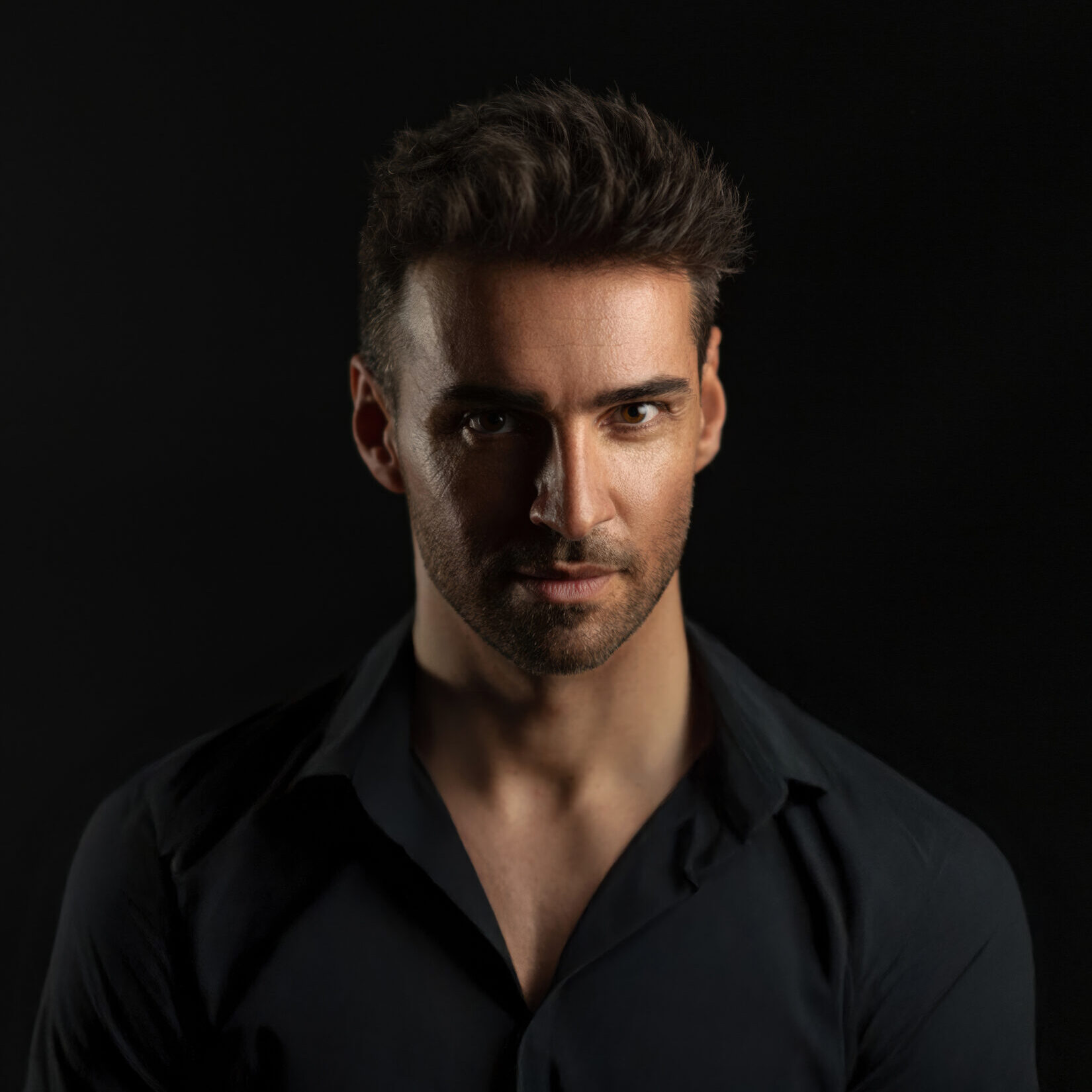
    MALIWA crafts chilled, jazz-infused lo-fi that feels like a small daily reset—warm chords, soft groove, and a guitar-minded sense of touch that turns simple moments into atmosphere.

    MALIWA

    The Interview

    Introduction

    Q: For those who don’t know you yet: how would you describe yourself as an artist in a few sentences—and what does the name MALIWA stand for in your musical world?

    MALIWA: MALIWA is one of my music projects, which I started in 2022. I have a lot of different musical tastes, but everything I make in the lo-fi, jazzy beats, and chillhop world flows into this project.

    Q: You’re extremely consistent and prolific—your discography is huge. Looking back: what was your journey into lo-fi, and was there a defining moment when you knew this “chilled + jazzy” direction was your lane?

    MALIWA: A few years ago, one of my guitar students wanted to learn a song by L’indécis. I loved it and fell down the rabbit hole—after the lesson, I listened through his entire discography. I was so hooked that I tried composing something in that direction myself, and the ideas kept coming. I stuck with it and went deeper and deeper into the genre.

    Latest Work

    Q: Your releases often feel like snapshots—compact, direct, and mood-first. Where do you feel your sound is right now compared to earlier MALIWA tracks, and what are you consciously refining?

    MALIWA: I hope my sound has improved over the years. I’m trying to get faster and more confident with recording and producing—and especially with capturing the mood I hear in my head. Starting MALIWA was when I really began to dive deep into production.

    Q: There’s a clear atmosphere running through your catalog—cozy, relaxed, jazzy, and emotionally “light on its feet.” What emotional or conceptual thread do you keep returning to when you write?

    MALIWA: I don’t chase a specific concept—I let inspiration lead the way. Luckily, I almost always have ideas when I sit down at my instruments. Fingers crossed it stays that way.

    Creative Approach

    Q: When a new track starts, what usually comes first for you: a chord progression, a drum pocket, a sample/texture, a guitar phrase, or a specific emotion?

    MALIWA: I don’t have a fixed process—every track starts differently. I can be inspired by almost anything: a chord, a little lick, a drum groove, a new sound, or a mood. Whatever shows up first becomes the starting point, and from there, I build the track.

    Personal & Creativity-Related

    MALIWA

    Q: You share a lot of your world through Instagram. How do visuals and short-form content shape your creative process—does social media inspire you, pressure you, or help you stay connected?

    MALIWA: For me, social media is at its best when it does what it was meant to do: connect you with inspiring people around the world. It’s how I’ve found almost all of my collaborators, and I love discovering new ideas through other artists’ channels. But if I’m being honest, it can get overwhelming fast—and I still catch myself spending way more time on it than I should.

    Q: Do you have a routine or ritual that helps you stay productive—or do you thrive more on spontaneity?

    MALIWA: I don’t really have a routine. But I usually have works-in-progress with other people, so I’m always motivated to move things forward. I want each track to be as good as I can make it—that’s what drives me.

    Q: How do you deal with creative blocks, self-doubt, or periods of silence—especially when you’ve built a project that’s known for regular releases?

    MALIWA: I allow it. It’s rare for me to have no ideas—usually, as soon as I focus, I start creating. But I don’t panic anymore if nothing shows up for a while. I keep learning, let myself be inspired, and it comes back. Luckily, that’s always been the case for me.

    Inspiration & Listening

    Q: Which artists or albums have inspired you most recently—and what did they unlock in you creatively (jazz harmony, drum swing, sound design, texture, arrangement, mix choices)?

    MALIWA: I’ve been listening to a lot of Kenny Burrell lately—an American jazz guitarist with incredible flow and versatility. I’d love to absorb even a small piece of that and bring it into my own playing. And I’ve been a big fan of Tom Misch for years—a superb songwriter, producer, and all-round talent.

    Q: If you could recommend one piece of music—any genre—that everyone should listen to at least once, what would it be (and why that one)?

    MALIWA: Then maybe a L’indécis track. I’m not sure everyone needs to hear it, but it started this whole journey for me—and it’s still super groovy and tasteful: “L’indécis – Soulful.”

    Creative Philosophy & Vision

    Q: In lo-fi, the line between “beautiful” and “generic” can be thin. What role do experimentation and risk-taking play in your music—and what do you do to keep your sound fresh while staying MALIWA recognizably?

    MALIWA: Experimentation is very important to me—I could do it all day. I’m open to all kinds of music and influences, and I’m always trying new things and creating unpredictable moments. I make music with whatever I can get my hands on. I’m not sure I have a clearly recognizable style yet, but exploring is the best way I know to develop one.

    Q: If there were no limits—no budget, no deadlines, no technical restrictions—what would your dream creative project look like?

    MALIWA: I’d love to write an album with Tom Misch and L’indécis—and then tour it with them.

    From Silence to Sound – Creative Identity

    MALIWA
    MALIWA

    Q: I often explore how personal decisions shape a musician’s signature sound. Which choices most strongly define your sound—chord language, groove, drum texture, instrument palette, the way you treat “imperfection,” your mix aesthetics?

    MALIWA: I don’t have a specific strategy for that, but you’ll probably always hear my guitars in my songs.

    Q: Looking back, what have been the most important turning points in your creative journey—moments that changed how you make music or how you think about release strategy, collaboration, and consistency?

    MALIWA: Learning to record myself, learning to produce, and staying open to collaborations.

    Closing

    Q: What do you hope listeners feel or take away when they experience your music—especially on days when they need calm, focus, or a reset?

    MALIWA: I hope listeners can unwind and nod their heads to my music.

    Q: If you could give one piece of advice to someone at the beginning of their creative journey (especially someone navigating doubt or a “silent phase”), what would it be?

    MALIWA: Be open-minded. Try out everything you can musically. It doesn’t matter if anyone else likes it, as long as you like it. Start songs and finish them. Keep going. Keep learning. Immerse yourself in the craft and dive in headfirst. Love what you do.

    Q: Finally, what’s next for you—what should we be looking forward to?

    MALIWA: I’m constantly working on new songs with people scattered all over the globe. I really enjoy this varied and creative process. I hope I can meet more of my collaborators in real life, not just online.

  • Sinatic Interview: Sinatic on Emotion-First Songwriting, Hook Craft, and Cinematic Pop

    Sinatic Interview: Sinatic on Emotion-First Songwriting, Hook Craft, and Cinematic Pop

    Sinatic is an exceptional songwriter—hook-smart, emotionally precise, and deeply musical—who pairs pop-level craft with cinematic electronic production. Just as impressive is his collaborator mindset: he’s worked with singers around the globe with a rare mix of empathy and clarity, and his guitar playing adds a warm, human signature that cuts straight through the electronics.

    Sinatic

    The Interview

    Introduction

    Q: For those who don’t know you yet: how would you describe yourself as an artist in a few sentences—and what does the name Sinatic stand for in your musical world?

    Sinatic: I describe myself as an artist who prioritizes emotion as the primary driver and technique as its servant. To me, music is a translation of the intangible into the audible; every tone carries a specific impulse that the listener receives as a feeling. Because of this, quality is non-negotiable. I believe even the most microscopic sonic detail can pivot the emotional weight of a song. My work exists in the fertile ground between cinematic soundscapes, electronic textures, and melodic pop, creating expansive musical spaces that invite the listener to step in and connect on a deeper level.

    The name Sinatic is the heartbeat of this philosophy. When I established the project in 1998, I sought a name that felt both mysterious and timeless – something that carried the evocative spirit of projects like Enigma. I discovered the term “Sinatic” in an essay on ancient languages, and it resonated instantly. It carries the weight of a learned, classical term; its roots evoke the “Sinaitic” – a sense of origin and revelation – while its suffix suggests a fundamental state or principle. Intuitively, the word represents music as a primal source, a language that exists before words. For me, Sinatic is a creative identity dedicated to authenticity, depth, and a connection to something fundamental and timeless.

    Q: You began in chillout and later moved through pop and more song-driven work—then returned to your roots with two decades of experience behind you. Looking back: what were the key turning points that shaped your identity as producer + songwriter?

    Sinatic: Looking back, the biggest turning point was leaving my comfort zone. I grew up in the 1980s, and at some point, I discovered the music of Vangelis, Jean-Michel Jarre, and Mike Oldfield. Their melodic worlds had a huge impact on me. The atmosphere, the emotion, and especially the sound of synthesizers fascinated me from the very beginning. That was probably the moment when I first realized how powerful sound can be in creating feelings and images beyond words, and it shaped my musical instincts long before I started producing myself.

    I started in chillout music, where atmosphere and emotion were always at the center, but over time, I became curious about songwriting and the craft behind songs that truly stay with people. Moving into pop and more song-driven production forced me to think differently. Suddenly, it was not only about sound and mood, but also about structure, storytelling, and creating moments listeners remember.

    Another important turning point was working behind the scenes with different producers and artists. Being part of collaborative environments taught me how much discipline and intention lie behind great music. I learned that a strong song is rarely accidental. It is the result of countless small decisions, from melody choices to sound design and arrangement. That experience shaped my identity as both a producer and songwriter, because I began to see production and songwriting as one unified process rather than two separate roles.

    Returning to my chillout roots later felt almost like coming full circle, but with a completely new perspective. After two decades, I approached atmospheric music differently. I brought songwriting sensibility, emotional storytelling, and technical precision back into a genre that originally inspired me. For me, one of the most important lessons along the way was that music only truly connects when you genuinely feel it yourself. Authenticity is essential. If the emotion is real during the creation process, listeners will recognize it, and that honesty ultimately defines my identity as an artist today.

    Latest Work

    Q: Please introduce your latest release in your own words. What is it, and how would you like listeners to approach it—headphones, late-night listening, a drive, background focus, or a deep “front-to-back” listen?

    Sinatic: My latest release, Almost Yours, captures a very special energy that has always lived somewhere inside my musical DNA. It is deeply inspired by the emotional atmosphere of the 1980s, a time when melodies felt cinematic and nostalgic at once, but translated into a modern production language. I wanted to combine that timeless synth-driven feeling with contemporary sound design, so it feels familiar and new at once.

    The track carries a lot of energy, but it also has a bittersweet undertone that has become something like a signature element in my music. I’m always drawn to that emotional space between hope and nostalgia, where a song feels both uplifting and melancholic at once. Almost Yours lives exactly in that tension.

    The song is also a first glimpse into my upcoming album Pop Evolutions, which will be released later this year. As one of the singles from the project, it captures the album’s direction very well, blending emotional songwriting with modern pop production while retaining subtle retro influences.

    Ideally, I would love listeners to experience it with headphones or during a late-night drive, when music feels more personal and immersive. It works as an energetic track, but it really reveals its emotional layers when you give it your full attention. For me, it’s not just background music. It’s meant to create a mood, a moment, and maybe even a memory while you listen.

    Q: How would you describe this release (album/EP/single) in your own words—and where does it sit in your evolution as an artist right now?

    Sinatic: I would describe Almost Yours as a bridge between my musical roots and where I am creatively today. It combines my early love for atmospheric electronic music with everything I’ve learned through years of pop songwriting and production. For me, it feels like a very honest snapshot of my current artistic identity.

    At this point in my evolution, production and songwriting are no longer separate processes. Sound, melody, and emotion all grow from the same idea, which makes the music feel more focused and authentic. Rather than chasing trends, I’m embracing the influences that shaped me and translating them into a modern sound.

    As part of the upcoming album Pop Evolutions, the release marks a phase of clarity and confidence for me as an artist, creating music that feels emotionally real and, hopefully, timeless.

    Q: There’s a cinematic warmth and forward motion in your recent work. What emotional or conceptual thread did you keep returning to while making it?

    Sinatic: The emotional thread I kept returning to was the idea of movement, both emotionally and personally. Many of the songs were created around the feeling of being in transition, standing between nostalgia and forward motion. I’m very drawn to that space where something feels familiar and comforting, but at the same time pushes you toward something new. That naturally created this cinematic warmth, because cinematic music often carries a sense of journey and emotional progression.

    Another important concept was emotional honesty. I always try to create music that I genuinely feel while making it, because listeners can sense whether an emotion is real or constructed. Every sound choice, every melody, was guided by the question: does this create a feeling, does it move something inside? For me, music works best when it doesn’t just exist as sound, but as an emotional experience unfolding over time.

    So the common thread throughout the process was balancing energy and vulnerability. I wanted the music to move forward rhythmically and sonically, while still leaving space for reflection and emotion. That contrast became a defining element of this phase of my work.

    Songwriting, Hooks, Guitar & Craft

    Sinatic

    Q: You’re an exceptional songwriter—hook-smart, emotionally precise, and deeply musical. When you write, what does “great songwriting” mean to you in practice (tension/release, chorus lift, lyric economy, melodic architecture, arrangement pacing)?

    Sinatic: Great songwriting starts with a simple truth: if it doesn’t feel real, it won’t work. While I utilize the technical architecture of music (tension, release, and pacing), these are always secondary to authenticity. I aim for lyrical clarity, choosing words whose “sound” complements their “sense” to let the melody breathe.

    I view hooks through two lenses: in pop, they must be instantly iconic; in cinematic music, they act as a guide through more complex, atmospheric landscapes. Whether I’m writing a radio hit or a film score, my goal remains the same: to serve the emotion of the piece. By balancing technical precision with human feeling, I strive to create music that feels honest from the first note to the last.

    Q: You’ve studied a “Max Martin approach” to hit-making. What parts of that mindset genuinely improved your craft—and what parts did you choose to ignore to stay authentic?

    Sinatic: Studying the Max Martin approach provided me with a masterclass in the “architecture” of a hit. His methodology, which famously draws from the melodic DNA of ABBA, taught me how to use tension and release, refine arrangement pacing, and ensure that every hook lands with maximum impact. I’ve taken a deep dive into that signature “Wall of Sound,” analyzing how layering and sonic density can create an overwhelming emotional response. That discipline, focusing on how a song guides a listener from the first beat to the last, has sharpened my technical toolkit and given me the precision to write music that truly sticks.

    However, I’ve learned that these “rules” only hold power when they are fueled by authentic feeling. While I embrace the structural framework of the greats, I consciously discard anything that feels like a formula without a soul. My process always returns to simplicity and emotional honesty. I allow my intuition to guide the melody – even when it bends conventional expectations – and I prioritize lyrics that feel lived-in and natural. For me, the Max Martin and ABBA influence is a powerful foundation, but the true magic only happens when that technical “Wall of Sound” meets a genuine human connection.

    Ultimately, I want the listener to have a clear, guided path as they immerse themselves in my sonic world. Too much distraction creates restlessness. My goal is to remove the noise so the listener can truly settle into the heart of the song.

    Q: When you write a topline or hook, how do you judge if it’s truly sticky and emotionally honest—what’s your test?

    Sinatic: When I’m crafting a topline or a hook, intuition is my primary compass. I pay close attention to what lingers: the melodies that refuse to leave my head after the first listen. My process often involves creating four or five distinct variations of a hook, then stepping away to let the dust settle. Returning with fresh ears allows me to decide based purely on emotional resonance rather than the technical effort of the moment.

    Sometimes, the most compelling ideas emerge from the most unexpected places. I frequently revisit song concepts from years ago; occasionally, a piece of a puzzle finally clicks in a way I couldn’t have forced back then. For me, that authentic connection is non-negotiable. If I don’t truly identify with the music, the project is moved to what I jokingly call the “graveyard of ideas.” Over the years, this archive has grown into thousands of unfinished concepts – a testament to my commitment to quality. For me, this vetting process is essential: only the hooks and toplines that genuinely move me are worthy of being brought to life and shared with the world.

    Q: Your guitar playing is a real signature. How does guitar show up in your process—do you start with guitar sketches, use it to find harmony, or add it later as an emotional layer?

    Sinatic: Guitar has always been a cornerstone of my sonic identity; a passion rooted in my early discovery of Mike Oldfield’s melodic sensibilities. While the era of the sprawling guitar solo has largely faded from “mainstream pop”, I’ve found subtle, modern ways to weave the instrument into almost every track I produce. My process often begins with a guitar sampler to capture the initial spark of a progression or a melodic line. However, the real magic happens during the final recording, where the physicality and expression of the strings bring a human nuance that a synth or piano simply cannot replicate.

    Looking back at my body of work, guitars are everywhere, though not always in the way you’d expect. They live in the psychoacoustic layers, as “ear candy,” or as organic textures that breathe life into a mix. Whether it’s a deliberate riff or a shimmering atmospheric wash, the guitar adds a layer of organic movement to even my most electronic-heavy productions. For me, the guitar isn’t just an instrument; it’s a direct conduit for emotion, bridging the gap between high-end production and the undeniable warmth of the human touch.

    Creative Approach

    Sinatic

    Q: When a track starts for you, what usually comes first: the groove, a chord progression, a lyric phrase, a vocal melody, or a sound/texture?

    Sinatic: My creative process is fluid; there is no single starting point. Often, I begin with what I call “quick song starters” – opening a blank session and diving into the vast, vocal-like textures of plugins like Omnisphere or Kontakt. These sounds often feel less like software and more like living voices. I’ll improvise with a specific patch, letting the emotional weight of the chords dictate the direction rather than following rigid theory. Usually, as the progression takes shape, lead lines and vocal melodies begin to materialize in my mind almost instantly.

    In other moments, a specific groove or a raw sonic texture might be the spark that ignites the entire arrangement. I view this stage much like EQing: while there are technical principles you can follow, there is no absolute “right” or “wrong.” The only metric that matters is whether the elements coalesce into a world the listener can inhabit. For me, songwriting is a flexible, intuitive dialogue between sound and soul, always guided by what feels right in the moment.

    Q: Can you describe a moment during the creation of a recent release where everything clicked—or almost fell apart? What changed the outcome in the end?

    Sinatic: For me, the most critical element of creation is sustaining the flow. If that intuitive connection breaks, I’ve learned to let the idea go rather than try to force a spark that isn’t there. I aim to ride that initial wave of inspiration as far as it will naturally take me, pushing the boundaries of the concept while the energy is still raw.

    Sometimes, everything clicks with startling speed. During the sessions for my Infinity album, for example, three tracks materialized almost in a single day – evolving from a blank slate to a complete rough draft in a matter of hours. Those are the moments where technique, emotion, and timing align perfectly. Conversely, other ideas from those same sessions were “trashed” because they simply didn’t resonate.

    In the end, my intuition is the final judge. If a track feels alive and honest, it moves forward; if not, I have the discipline to step away. By trusting my feelings rather than the urge to force completion, I ensure the music remains authentic. Only the songs that truly survive this vetting process possess the power to connect with the listener.

    Collaboration

    Q: You’re also known as a great collaborator—you’ve worked with singers around the globe, and your productions often feel tailored to the voice. What do collaborations teach you about your own sound—and how do you keep your identity strong inside a shared process?

    Sinatic: Collaborations are a fascinating collision of two creative worlds, often yielding results neither artist could achieve alone. To me, the “human / soul energy” between collaborators is the secret ingredient of any great song; that chemistry is what breathes life into a project.

    When working with other songwriters, I often begin as a quiet observer. I study their unique approach to melody, lyricism, and arrangement—treating their process as a distinct form of “sound painting.” This allows me to see where our techniques might merge, refine, or even challenge one another. It’s a constant evolution; I’m always looking for ways to adapt and elevate my own craft through these shared experiences.

    However, I am mindful that my own identity must remain a clear thread in the tapestry. I ensure there is a recognizable Sinatic fingerprint in every collaboration – whether through my specific harmonic choices, atmospheric textures, or emotional phrasing. For me, the art of collaboration is a delicate balance: honoring the creative world of another while staying anchored in the authenticity of my own.

    Sinatic
    Sinatic

    Q: When a collaboration works, what’s the real reason—chemistry, clarity of roles, a shared reference world, speed, trust, or something else?

    Sinatic: When a collaboration truly succeeds, it is rooted in resonance. Everyone involved must be “in tune” with the song’s ultimate purpose, allowing the music itself to dictate the direction. At this level, the ego must take a back seat. We all bring a unique set of strengths and weaknesses to the table, and the most rewarding sessions happen when we use our skills to support one another, filling the gaps and elevating the collective vision rather than competing for space.

    While factors like chemistry, technical speed, and shared reference points are essential, they are secondary to trust and selfless alignment. Without that fundamental resonance, even the most skilled team can struggle to find the heart of a track. For me, that moment of alignment – where personal agendas fade, and the music takes over – is what transforms a standard session into something truly special.

    Working with Thomas Lemmer – Building a Concept World

    Q: You’re currently creating a collaborative concept album with Thomas Lemmer (Infinity). What was the initial spark—why did this partnership make sense artistically?

    Sinatic: The initial spark for Infinity was born from a long-standing resonance with Thomas Lemmer’s sonic architecture. Having admired the atmospheric depth of his work for years, the moment came when the timing finally aligned, and it felt inevitable to merge our creative worlds into a collaborative concept album.

    The results were a revelation. The synergy between our styles unlocked creative avenues I hadn’t anticipated, resulting in compositions that feel entirely unique to this partnership. To further elevate this cinematic experience, the album was mixed in immersive Dolby Atmos, a move that fundamentally enhances the spatial depth and allows the listener to step directly into the soundscape. For me, this project was the ultimate validation of my collaborative philosophy: two artists pushing past their individual boundaries to create a rich, expansive world that neither could have built alone.

    Q: Compared to pop/dance writing, concept-driven chillout demands a different kind of patience and storytelling. What did you have to unlearn—and what did you bring from the pop world that actually helped?

    Sinatic: Concept-driven chillout demands a unique level of patience and surgical attention to detail. Unlike the immediate gratification of pop or dance music, the production process here is far more rigorous – sonic layers are built with meticulous precision, and automation is used to breathe life into every corner of the mix. In this world, strict quantization takes a back seat; preserving the “human touch” is paramount. I focus intensely on the negative space – how a song breathes and how the dynamics shift – to ensure every detail meets a “top-shelf” standard of quality.

    Paradoxically, my background in pop and dance has become my greatest asset in this expansive genre. By applying my understanding of structure, hook placement, and emotional pacing, I can guide the listener through atmospheric landscapes without losing their attention. I’ve had to “unlearn” the shortcuts of radio-ready production, yet I’ve retained the clarity, focus, and melodic intuition that make music truly compelling. The result is a sound that is deeply immersive and cinematic yet remains fundamentally approachable.

    Creative Identity & Closing

    Sinatic

    Q: I often explore how personal decisions shape a musician’s signature sound. Which choices most strongly define your sound—your chord language, hook instincts, sound design, guitar touch, mix aesthetics, or your sense of emotion?

    Sinatic: Ultimately, my signature sound is a mosaic of deliberate choices rather than a single element. It is born at the intersection of my specific chord language and my instincts for hooks, which together shape the song’s emotional arc. I view sound design and mix aesthetics as the architecture of the track – defining its texture and space – while my guitar touch acts as the organic pulse, providing the subtle melodic and rhythmic cues that ground the production in reality.

    Above all, emotion is the connective tissue. Every decision – from a complex harmonic shift to the most microscopic sonic detail – is filtered through a single question: How does this feel? This unwavering focus on emotional intent, fused with technical precision, is what gives my music its recognizable voice. In an industry often driven by shifting trends, I choose to stay anchored in my own creative intuition. My sound is less about adhering to a genre and more about the thousands of personal decisions I make at every stage of the journey.

    Q: What do you hope listeners feel or take away when they experience your music—whether it’s a chillout journey or a song built for impact?

    Sinatic: Ultimately, my greatest ambition is for my music to act as a catalyst for genuine emotional connection. Whether it is a sprawling chillout journey or a high-energy, hook-driven track, I want the listener to feel something profound – be it a sense of nostalgia, a spark of hope, or a quiet moment of reflection.

    I strive to create music that resonates far beneath the surface, where every texture and melody is a deliberate contribution to a larger experience. To me, success isn’t measured in plays or charts, but in those moments when a listener closes their eyes and truly gets lost in the music. If a feeling lingers long after the final note has faded, then the song has done its job. In the world of Sinatic, emotion always leads the way; everything else is there to support the heart of the song.

    Q: If you could give one piece of advice to someone at the beginning of their creative journey, what would it be?

    Sinatic: If I could offer one piece of advice to those beginning their creative journey, it would be this: embrace patience and become a student of the craft. Immerse yourself in the work, listen with a wide lens, and explore the vast spectrum of musical styles – but through it all, remain anchored in your own truth. Authenticity is your only true currency.

    In an age of constant noise, do not let distractions dilute your focus. True creative growth requires the discipline to stay the course and the courage to protect your vision. If you remain dedicated and honest to your artistic core, the results won’t just follow – they will resonate.

    Q: Finally, what’s next for you—what should we be looking forward to?

    Sinatic: Looking ahead, my focus remains on creating music that moves me first, in the hope that it will do the same for the listener. I am currently diving deeper into the world of cinematic scoring, exploring the vast possibilities of film music. Several sketches are already underway as I experiment with a broader palette – perhaps even a project in the grand, evocative vein of Hans Zimmer.

    While I am embracing this new variety beyond pop and dance, I remain deeply rooted in the ambient and chillout spaces that have always inspired me. For me, the next chapter is about following that same intuitive compass: exploring uncharted sonic territories while ensuring every note remains honest, expansive, and emotionally engaging.

  • C37 Interview: C37 on Into Thin Air, Diary-Like Storytelling, and Emotional Honesty

    C37 Interview: C37 on Into Thin Air, Diary-Like Storytelling, and Emotional Honesty

    C37 (Paul Cudby) turns diary-like memories into emotional downbeat—felt piano, guitar, and delicate electronics shaped by the Lake District—and Into Thin Air captures the beauty and ache of people who touch our lives and then disappear.

    C37
    C37

    The Interview

    Introduction

    Q: For those who don’t know you yet: how would you describe yourself as an artist today—and what does the name C37 represent for you?

    C37: There’s an old stone bridge near my hometown called Cuckoo Arch. I once had a band named after it, before I moved further into the Lake District. The band included my childhood friend and my younger brother, and it was a deeply personal experience. I kept all the recordings but never released them. I still draw on those times and sounds when I make music as C37. The “C” comes from Cuckoo, and “37” was my parents’ house number—where all the recording took place. Maybe one day I’ll release those recordings.

    Q: Your journey includes heavy rock in the 1990s (including touring and a record deal), later shifting toward more textured influences—and eventually electronic music as your main storytelling medium. What were the key turning points that brought you from that world to the C37 sound?

    C37: We’d play thrash metal by day and Pink Floyd by night. We were exposed to all kinds of music. Being close to Manchester obviously meant The Smiths, The Stone Roses, Joy Division, and a thriving rave scene—then bands like Happy Mondays started blending the two worlds. But the real turning point was when I moved out of my marital home. A young person I worked with (in care) played me a track they loved: “Aurol Therapy” by fwrd/slash. That was the moment I realised electronic music could have a real emotional impact. I’m very thankful for that moment.

    Latest Work

    Q: Please introduce Into Thin Air in your own words. What kind of album is it for you—and how would you like listeners to approach it?

    C37: Into Thin Air reflects a twelve-month period of intensely mixed feelings. Each song is directly linked to a moment or feeling from that time. I was going to call it “Foxglove” after the beautiful flower here—which is poisonous. Beauty can hide a great deal of hurt. Listening to it now takes me back to each moment, but not as intensely as during the creation of the tracks. If anyone connects with any of those moments—the sadness or the more hopeful parts—then I’ve done what I set out to do.

    Q: This is your second album, following Beautiful Beginnings. In what ways does Into Thin Air deepen or expand what you started with your debut?

    C37: Into Thin Air was definitely a big step in evolving the sound and style I want C37 to be. Beautiful Beginnings was more raw—made during a time when my personal life felt overwhelming.

    Q: You said this album tries to capture how people enter our lives, impact us emotionally, and then vanish “into thin air.” What moments or emotions were you trying to hold onto most while writing these tracks—love, loss, hope, something else?

    C37: Mainly loss, dotted with moments of hope. C37 was born out of the ashes of a 20-year marriage and raising four children, ending in divorce. However, C37 doesn’t document that time directly; it captures the attempt to rebuild your life, navigate new relationships, and find a sense of peace.

    Creative Approach

    C37
    C37

    Q: The album opens with “Head Space,” weaving in sounds from real life and nature—almost like painting with sound—before the felt piano and guitar pull us into your inner world. Why did you choose that as the opening door into the album?

    C37: I still love the music and atmosphere of this track, and I’m proud I was able to capture that particular week in sound. The field recording underneath it was given to me by the person the track is for. It simply felt like the right way to set the tone for what follows across the album.

    Q: Your music blends emotive piano progressions, layered guitars, ethereal samples, and a hypnotic pulse. When you’re building a track, what usually comes first for you—the chords, a texture, a beat, a melody, or a feeling?

    C37: Nine times out of ten, it’s the feeling that pushes me to start exploring chord progressions. If the chords don’t match the feeling—or I can’t quite achieve it—or, more importantly, it starts to require too much thinking, I stop. When it’s spontaneous—driven by emotion, and it just happens—I know it’s right for C37.

    Personal & Creativity

    Q: You’ve described early C37 releases as almost like diary entries set to music. Does that still feel true on Into Thin Air—and how do you decide what stays private versus what becomes a song?

    C37: Yes—this is still the whole purpose of C37. It’s my diary. So when an album is compiled, you’re getting a dozen “pages” torn out and given away. Of course, some things stay private, but I remain grateful to the person who inspired most of it—even if that time brought huge spikes of sadness and joy for both of us. Without that period, I would never have come to rely on music again. Silver linings.

    Q: The Lake District seems deeply connected to your work—you even visit specific beauty spots to spark ideas. Can you describe how a place becomes a sound in your mind? (Is it harmony, rhythm, ambience, tempo, silence?)

    C37: I live a few minutes from a staggeringly beautiful estuary, with the South Lakeland fells as its backdrop. This place features in nearly all the social media clips I post. There are lots of memories attached to the area, so blending those thoughts with the ambience of the place at sunset is inspirational. Translating that into sound is generally achieved by softening high frequencies and using underlying white noise—or something similar.

    Q: When self-doubt or creative silence shows up, what helps you move through it—especially when you’re working with such emotional themes?

    C37: I create such a large amount of music that I usually have an idea to expand on. However, if a project doesn’t capture the moment I intended, I quickly let it go. If that situation goes on for days, I have a habit of putting myself—mentally—back into historical moments of sadness. I’m aware that isn’t great for overall well-being.

    Inspiration & Listening

    Q: Your influences range widely—from bands like Pink Floyd, The Smiths, and The Stone Roses to electronic impressions from rave culture, and even modern electronica. Which influences feel most present in your current writing—and how do they show up in the details?

    C37: I don’t tend to listen to a great deal of electronic music, but I do have a few favourites I return to. Recently, “After the Rain” by Klur has been my most-played track. I still enjoy earlier Motorpsycho albums and find a lot of inspiration in their work. I’ve always gravitated toward the moodier stuff—so when I listen to Pink Floyd, I’m drawn to the darker moments from The Wall, or anything Roger Waters led.

    Q: If you could recommend one piece of music—any genre—that everyone should listen to at least once, what would it be (and why that one)?

    C37: “Hope in Balance” (Jody Wisternoff and James Grant Remix). It’s an incredible example of electronic music that feels organic and genuinely from the heart.

    Creative Philosophy & Vision

    C37
    C37

    Q: You describe the C37 sound as “written from the heart and never forced.” In practice, how do you know when something is honest—and when you’re trying too hard?

    C37: I never push creativity. If I feel like I’m having to try, I tend to stop. Once an honest feeling is captured, I finish the project.

    Q: If there were no limits—no budget, deadlines, or technical restrictions—what would your dream project be right now?

    C37: It’s been a long time since I played on stages. It would be amazing to see C37 paired with misty Lake District images. Dream-wise, I’d have friends from my earlier bands play C37 live. It may just stay a dream, though.

    From Silence to Sound – Creative Identity

    Q: I often explore how personal decisions shape a musician’s signature sound. Which choices most define your sound—your piano tone, guitar layering, the way you treat ambience, your relationship to rhythm, or the emotional themes you write about?

    C37: It’s the emotional themes that drive the sounds. I can spend a long time searching for—or creating—the right sound to match the theme. The guitar usually comes at the very end of my process, where I’ll just jam over the track to see if anything happens.

    Q: The singles “Last Day of August,” “Are You Home,” and “Close To Losing Everything” previewed the album. What do these titles reveal about the emotional landscape you’re exploring—and why were these the right tracks to introduce the record?

    C37: I suppose they were the liveliest tracks on the album, so they don’t tell the full story. But they do give a good representation of the overall feel and sound.

    Closing

    Q: Finally: what’s next for you after Into Thin Air—do you feel pulled toward going even deeper into emotional downbeat, bringing in more acoustic elements, exploring vocals/lyrics more, or opening a completely new chapter?

    C37: My new album, “The Reality Is…”, continues the search for the definitive C37 sound. There’s less guitar and more soft piano tone on it. It follows a similar pattern, structure, and emotional theme as Into Thin Air.

  • Andreas Bach Interview: Andreas Bach on Guitar as a Voice, Creative Contrast, and Keeping Music Human

    Andreas Bach Interview: Andreas Bach on Guitar as a Voice, Creative Contrast, and Keeping Music Human

    Andreas Bach is a versatile guitarist, producer, and guitar teacher from Osnabrück, Germany, known for warm tones and calming melodies shaped by years on stage and in the studio. Rooted in guitar-driven rock yet inspired by atmospheric worlds in the spirit of Sigur Rós, Esbjörn Svensson, and Pink Floyd, he blends crafted guitar sound with subtle electronics into intimate, cinematic ambient/downtempo pieces. He’s also the author of Beginner’s Guitar (SCHOTT Music), bringing the same clarity and musical sensitivity to his teaching and writing.

    Andreas Bach
    Andreas Bach

    The Interview

    Introduction

    Q: For those who don’t know you yet: how would you describe yourself as an artist today—especially the role of the guitar as your “voice”?

    Andreas: It’s always difficult to talk about yourself. A brief summary would be: I’m a musician, and my main instrument is the guitar—I’ve been playing it for 30 years. It’s naturally my primary voice, but I also like to try anything I can get my hands on. I love many different genres and tend to take something I enjoy from each of them and weave it into my own music.

    Q: You’re active in very different worlds: ambient/downtempo production on one side, and high-energy live bands on the other. What does each world give you—and what do you take from one into the other?

    Andreas: I have a lot of different sides, and I enjoy contrasts. I love spending hours in the studio crafting calm, atmospheric music—but I also enjoy playing super-heavy rock. One side brings stillness and feels almost like meditation; the other is all about volume, power, and energy.

    Latest Work

    Q: You’ve released solo material and collaborations, and you’ve also worked closely with Thomas Lemmer. How does your mindset change when you create alone versus when you create as a duo?

    Andreas: When collaborating, I always try to get into a flow and bounce ideas back and forth. One person has a small idea, which sparks a new one in me. Each of us can bring something the other can’t—and it goes back and forth. I call it “ping-pong creativity.”

    When I work alone, I don’t need that in the same way. I usually have a very clear idea in my head, and I don’t want anyone to interrupt the process—because I already feel it’s right for me, and I know it will turn out well in the end.

    Creative Approach

    Q: When a new track starts: what usually comes first for you—tone and texture, a chord progression, a melodic hook, a groove, or a specific emotion?

    Andreas: Everything and nothing. I don’t have a fixed system. I can be inspired very quickly by the smallest things: a sound, a beat, a new chord, or even just a specific tempo. Once my brain is fired up, it doesn’t stop so quickly.

    Q: Your guitar sound feels carefully shaped. How do you approach tone-building: fingers vs. pick, dynamics, pedals/amps, layering, and the decision of when a part should stay raw versus processed?

    Andreas: I really like thick and warm guitar sounds—players like David Gilmour and Jimi Hendrix are my heroes. But of course, the tone has to fit the arrangement. So I always try to shape the sound to suit the song. That’s the main goal.

    Andreas Bach
    Andreas Bach

    Personal & Creativity

    Q: You studied guitar and also teach and write about the instrument. How has formal learning—and later teaching—changed your creativity?

    Andreas: I love diving deeply into these topics. I’m always discovering new things that interest me and that I want to learn. Even when I’m teaching a student something, I want to know exactly what I’m talking about so I can explain it well—so you’re constantly working on yourself. Many students also inspire me to explore new ideas. For me, being open-minded definitely fuels creativity.

    Q: On stage, you’re playing music that people instantly recognize; in ambient/downtempo, you’re shaping a mood that is more personal and abstract. What does “authenticity” mean to you across these two extremes?

    Andreas: Yes, true—I play in very different genres. For many people, those seem to contradict each other. Not for me. I just love the variety, and in the end it’s all music. There are only two cases: either I like it or I don’t. The main goal is always to move people with music.

    Andreas Bach
    Andreas Bach

    Q: When self-doubt or creative silence shows up: what helps you move through it? Do you reach for the guitar, the studio, a walk, a routine—what actually works?

    Andreas: Listening to new music. Picking up a new instrument. Collaborating with other people. Or doing something completely unrelated to music for a few days. It always comes back.

    Inspiration & Listening

    Q: What inspires you most right now—other musicians, films, games, places, books, daily life? And how does that inspiration translate into sound?

    Andreas: For me it’s almost always the same: listening to new music and really immersing myself in it—and making music with cool, creative people.

    Q: If you could recommend one piece of music—any genre—that everyone should listen to at least once, what would it be (and why that one)?

    Andreas: It changes all the time for me. But at the moment, I’m really into Ólafur Arnalds (an Icelandic composer somewhere between neoclassical and ambient). Give “Þú ert jörðin” a listen—what a beautiful little composition. Minimalistic, soulful, and deeply touching.

    Creative Philosophy & Vision

    Q: In ambient/downtempo, the line between “beautiful” and “boring” can be thin. How do you keep your music emotionally alive—without overfilling it?

    Andreas: Finding good melodies. Finding nice and interesting sounds. Not overproducing, but still paying attention to cool little details. Avoiding too much copy & paste. Finding an original style that hasn’t been heard a thousand times before. Keeping the music human and natural.

    Q: If there were no limits—no budget, deadlines, or technical restrictions—what would your dream project be right now?

    Andreas: For example: locking myself away with Ólafur Arnalds somewhere in Iceland and composing an album together. Experiencing magnificent nature and getting inspired.

    From Silence to Sound – Creative Identity

    Q: Looking back, what were the biggest turning points that changed how you make music?

    Andreas: Learning how to record myself—and learning how to produce.

    Closing

    Q: When someone listens to your ambient/downtempo music, what do you hope it gives them—calm, focus, comfort, energy, a sense of story, something else?

    Andreas: It should always touch the listener in some way—so they stay tuned in and want to hear more.

    Q: If you could give one piece of advice to someone at the beginning of their creative journey—especially someone navigating doubt or a “silent phase”—what would it be?

    Andreas: If you enjoy it, just do it—do it for yourself. Finish your songs. It gets a little better each time. Don’t compare yourself to others. Everything else will gradually fall into place on its own.

    Andreas Bach
    Andreas Bach

    Q: Finally: what’s next for you?

    Andreas: I’m already working on new songs of my own, and new collaborations are planned again.

  • Tauon Interview: Tauon on Atmosphere, Restraint, and the Power of Space

    Tauon Interview: Tauon on Atmosphere, Restraint, and the Power of Space

    Tauon blends melodic house energy with ambient air—music that moves between club pulse and inner calm, shaped by decades of electronic experience and a clear sense of emotion.

    Tauon
    Tauon

    The Interview

    Introduction

    Q: For those who don’t know you yet: how would you describe yourself as an artist in a few sentences—and what does the name TAUON stand for in your musical world?

    Tauon: I’m Tauon (Olaf Gretzmacher), a producer, DJ, and live act with more than 20 years of experience in electronic music. My roots are in ambient, chillout, downbeat, trance, new age, and soundtrack music, and I first gained international attention with my trance-downtempo project GMO.

    The name Tauon comes from physics: the tau lepton is the heaviest of the charged elementary particles in the Standard Model. I chose the name because to me it sounds powerful, timeless, and curiosity‑sparking—just like the music I want to create.

    Tauon is the most personal project of my long musical journey. It brings together all my experiences, memories, and influences into honest electronic and orchestral music—music that invites you to switch off, dream, reflect, and dance. I don’t really fit into pre-made boxes, and that’s exactly why I value working with Sine Music Records, where I’m free to be exactly who I am musically.

    Q: You’ve been active for a long time as producer, DJ, and live act, moving through genres like ambient, chillout, downtempo, and different shades of house and techno. Looking back: what was your journey into music like—was there a defining moment when you knew you wanted to build your own sound world?

    Tauon: For me, there was never that one moment where I decided, “Now I’m going to be a musician.” Music was simply always there. As a kid I took piano lessons, and I was introduced to electronic music very early—especially through artists like Jean‑Michel Jarre, Kraftwerk, Vangelis, Kitaro, and many others. Those sounds opened up a completely new world for me.

    Melodies and soundscapes have always fascinated me. That feeling—when a simple sequence of notes suddenly carries an entire mood or memory—has never let go of me. Even at school, when we watched documentaries in class, I was often more interested in the music in the background than the actual content. When I discovered trance and the Goa scene in the early ’90s, I was completely hooked. Those hypnotic, emotional worlds moved me so deeply that I knew I had to make music myself.

    As a teenager, I also recorded a radio show called “Traumstunde” (“Dream Hour”) every Wednesday night. That’s how I discovered one artist after another—many of whom still inspire me today. Those hours in front of the cassette recorder were like a secret school of electronic music.

    At 16 I wrote my first pieces; in my early twenties I started producing seriously. I quickly realized it was never about fitting into one genre. What interested me much more was creating emotional spaces—music you can dive into, feel, think to, or let go with.

    Projects like GMO were important milestones for exploring energy, trance, and rhythm. As a DJ and live act I got to experience many special moments at festivals—big and small. At the same time, that calm, atmospheric, and cinematic side was always part of me. With Tauon, all of it finally came together.

    So there wasn’t one single key moment—more a long journey of sounds, emotions, and experiences until I understood: my own sound is born right between all of these worlds. That’s where I feel at home.

    Latest Work

    Q: Please introduce your latest release in your own words. What is it, and how would you like listeners to approach it—headphones, a drive, late-night listening, on the dancefloor, or as background focus?

    Tauon: “Echeyde,” my latest single, came out of a close collaboration with a good friend, Annika Jokiaho (aka Gaia de Isora), during a hike through the Cañadas del Teide on Tenerife. Inspired by the mystical atmosphere of the volcanic highlands—and by an old Guanche term for the sacred mountain, a “gateway between worlds”—the track reflects the duality of this unique landscape.

    Musically, Echeyde blends melancholy, dark synthesizers with ethereal female voices, influenced by the early, atmospheric aesthetic of Trentemøller. Carried by a meditative rhythm, the track translates the quiet, contemplative beauty of the Canary Islands’ wilderness into sound.

    Just like life is made of many emotional moments, my music reflects that same variety. It accompanies different moods—from laughter and a grin to reflection and melancholy, all the way to motivation and inner movement. Whether you’re cooking, in the car or on a train, flying above the clouds, in a club, or at a festival—there should be a space in my music for every phase and every feeling.

    I’d place Echeyde in the realm of cinematic film music. That’s also one of my big dreams: that my music finds a place in films, and that one day I’ll be composing specifically for film productions. The connection between images and sound worlds has fascinated me for a long time—it feels like a natural extension of my music.

    Q: How would you describe your current phase as TAUON (single/EP/album era) in your own words—and where does it sit in your evolution compared to earlier milestones like Somewhere or the more downtempo-leaning work?

    Tauon: Right now I’m working on a lot of new tracks, with the goal of finishing an album again. It will probably be calmer and more cinematic—although with me, it’s never fully predictable where the journey will go. When I’m producing, I always follow my gut, and sometimes it simply takes time for the muse to knock again.

    Q: There’s a clear atmosphere running through your catalog: movement, travel, city vs. nature, and that feeling of escaping everyday noise. What emotional or conceptual thread do you keep returning to while writing—especially on releases like City Life and Tisno?

    Tauon: For me, it’s hugely important to regularly break out of everyday life—whether that’s traveling, spending time by the sea, or simply being in nature. Sunsets—ideally over the ocean—are especially important to me, because they carry that moment between arriving and letting go. That’s exactly the space where new ideas can grow. Often, new tracks come almost automatically from those moments.

    “City Life” is a good example of that, and so is “Tisno.” Tisno came directly out of the annual vacations with a good friend in Croatia. We kept listening to the same compilation of emotional, brilliant deep-tech house—and at some point it was clear that tracks had to grow out of that mood.

    “City Life,” “Far Away,” and “Tisno” are essentially a tribute to those shared trips—to letting go, the conversations, the sea, and the music. That shift between routine and escape, between city and nature, is the thread that runs through my work.

    Creative Approach

    Q: When a track starts for you, what usually comes first: the groove, a chord progression, a melodic hook, a vocal idea, a texture/field atmosphere, or a specific emotion?

    Tauon: It varies a lot for me, but most of the time a track starts with textures or a groove. From that, a mood often forms intuitively and shapes everything that follows. Sometimes it happens surprisingly fast—there are times when a piece is almost finished within a few hours. “Outside” is a good example: it came out of one of those spontaneous moments where everything just clicked.

    Q: Your music often balances two worlds: minimal, clean club rhythm and cinematic, slow-moving emotion (strings, pads, wide space). How do you make that contrast feel coherent rather than “two tracks glued together”?

    Tauon: Honestly, I can’t really explain it in a technical way—it just happens. That’s exactly what TAUON is for me. When I’m producing, I don’t think in separate worlds like “club” or “cinematic.” I follow my intuition. If a groove and a pad, a beat and an emotion naturally find each other, I let that happen.

    Sometimes I start with a clear idea—like wanting to make a deep-tech house track—and in the end it turns into a quiet, cinematic piece. Or the other way around. I consciously allow those developments, because that’s where the magic lives.

    I don’t make music from a blueprint—I simply make music. And it’s out of that free, unplanned process that the contrast emerges in a way that still feels coherent to me.

    Remixing – Craft & Identity

    Q: Your remixes are genuinely strong: they feel respectful to the original, yet unmistakably yours. When you remix another artist, what’s your first step—do you listen for the emotional core, the hook, the rhythm pocket, or the harmonic language?

    Tauon: First of all, thank you for the kind words.

    Remixes are something very special to me—I love making them. For me, remixing (like making music in general) is a bit like cooking: I pick my ingredients—the individual stems from the original—and then I cook my own dish from them.

    Sometimes I use only a few elements and build something completely new; sometimes I keep more of the original and simply add my own “Tauon spice.” Either way, I always approach the source material with a lot of respect. It matters to me that you can feel my appreciation for the original track, even if the result ends up sounding very different.

    Remixes are also a wonderful creative playground for me—especially when I don’t have a clear idea for my own next track.

    Q: What’s your personal “remix philosophy”? In other words: what do you never touch, what do you almost always change, and how do you decide whether a remix should be dancefloor-driven, ambient-leaning, or something in-between?

    Tauon: My remix philosophy is actually pretty simple: first I listen very closely and feel what touches me most in the original. That core is what I try to bring forward and highlight. Everything else then grows in the process.

    I deliberately let the music lead me instead of following a fixed plan. Whether a remix ends up being for the dancefloor, for a quiet moment, or somewhere in between usually reveals itself naturally through that open, intuitive way of working.

    Q: Technically and creatively: do you prefer working from stems, rebuilding parts yourself, or sampling tiny fragments and reinventing them? Can you walk us through a recent remix process—from first listen to final bounce?

    Tauon: For me it’s a mix of all of that. I like working with stems, but I also often cut out tiny fragments and develop something new from them. That flexible way of handling the material is a big part of my creative process.

    A good example is my remix of “Confidence” by Thomas Lemmer & Oine. I fell in love with the track on first listen and immediately thought: this melody could be mine. So it was clear I absolutely wanted to remix it.

    A lot happened during the process. Around that time I was working intensively with cello sounds, and it was almost inevitable that this color would flow into the track. In the end, something came out that I’m really proud of—especially the finale. For me, this remix is a successful fusion of the original and my own Tauon ingredients.

    Personal & Creativity-Related

    Q: When you’re not making music, what fuels your creativity? (Places, travel, architecture, late-night city lights, nature, films, books, silence—what reliably feeds your imagination?)

    Tauon: As I mentioned, calm, travel, nature—and above all the sea—are extremely important to me. In those moments, far away from everyday life, I can hear and feel clearly again, and that’s often where new inspiration appears.

    But great new music can also trigger a lot in me—whether I discover it on a platform or hear it in a film or series. Sometimes a single sound or a short scene is enough to spark a new idea.

    In the end, it’s often simple: less is more. In silence—and in paying attention—creativity usually grows the most.

    Q: Do you have a routine, ritual, or habit that helps you stay inspired—or do you thrive more on spontaneity and chaos?

    Tauon: I don’t really have a fixed routine or ritual. For me, creativity works better through spontaneity and a certain amount of chaos. Often, the best ideas show up exactly when I’m not trying to force anything.

    Of course I also know a bit more discipline wouldn’t hurt sometimes—but this free, unpredictable way of working is simply part of who I am, and how I make music.

    Tauon
    Tauon

    Q: How do you deal with creative blocks, self-doubt, or periods of silence—especially when you’re juggling different roles (producer, DJ/live act, remix work, collaborations)?

    Tauon: These days I’m much more relaxed about creative blocks and quieter phases. I’ve learned to accept them for what they are. Pressure creates resistance—and in music, that rarely leads to anything good.

    In the past, a good balance for me was DJing and making people dance and grin to melodic trance at 138 BPM. After that there was space again for calmer, more introspective music. Switching between those worlds always helped me stay in flow.

    As I get older, I notice I approach a lot of things more calmly. Anything can happen, nothing has to—as long as it feels right. Out of that attitude, my most creative work is happening today.

    Inspiration & Listening

    Q: Which artists or albums have inspired you most recently, and why?

    Tauon: There are actually quite a lot. Recently, artists like Lab’s Cloud, Fejka, Malibu, Sea of Marmara, Yagya, A Winged Victory for the Sullen, Schiller, Efterklang, VisionV., Ólafur Arnalds, Nils Frahm, Sebastian Mullaert—as well as Joseph Ray’s remix of “This Version Of You” by ODESZA & Julianna Barwick—have inspired me a lot. And of course Ben Böhmer too.

    What connects all of these artists for me is their ability to combine emotion, atmosphere, and depth—often in very different ways, but always with honesty.

    I listen across a wide spectrum, and I keep two different Spotify playlists where I collect these influences (and I’m happy to share them):

    Q: If you could recommend one piece of music—any genre—that everyone should listen to at least once, what would it be?

    Tauon: That’s a mean question. 🙂

    Everyone should listen to the full album Are You Shpongled? (Remaster) by Shpongle at least once.

    Creative Philosophy & Vision

    Q: What role do experimentation and risk-taking play in your music? Where do you consciously step outside your comfort zone—sound design, arrangement, harmony, or even release strategy?

    Tauon: I wouldn’t describe myself as extremely experimental. A lot of new ideas also come from watching other musicians work and letting myself be inspired by their approaches—then trying something completely different in my own production.

    I especially step out of my comfort zone in collaborations. It’s always a challenge to truly allow other people’s approaches—their ideas, their workflow, their way of thinking about music. That used to be hard for me, but I’ve learned that this is exactly where an important creative process happens. In the end, it almost always turns out that something good comes from that openness.

    By the way, I’ve never really had a clear release strategy. Sometimes it annoys me that today a track is “supposed” to be around three minutes long to fit playlists. That doesn’t always feel right to me. Sometimes a musical journey tells its story in three minutes—often it needs more time.

    I make music from the gut for listeners—not for playlists.

    Q: If there were no limits—no budget, no deadlines, no technical restrictions—what would your dream creative project look like? (A concept album tied to places, an immersive live show, film/game scoring, a collaboration series, etc.)

    Tauon: My dream creative project would be a fusion of orchestra, electronic music, and film music—a big, cinematic universe of sound. I imagine presenting that music in special spaces: planetariums, unusual locations indoors and out in nature, and select festivals where image, space, and sound can merge.

    For me it wouldn’t just be a concert, but an immersive experience where people can fully dive into the sound world—almost like being in a film, except you’re right in the middle of it.

    A “bed concert” DJ set (with people lying down) would also be a fun idea to explore one day.

    From Silence to Sound – Creative Identity

    Q: I often explore how personal decisions shape a musician’s signature sound. Which choices do you feel most strongly define your sound—your sense of groove, your melodic language, your use of vocals, your space/mix aesthetics, or the way you balance dance energy with calm?

    Tauon: The answer is basically already in the question. For me, groove, melody, space, atmosphere, and the balance between movement and calm are all equally important.

    But what truly defines my sound is my decision to be musically free. I want to make music the way I feel it—without clinging to rigid rules, trends, or technical dogmas. That also includes things like mix or EQ “rules.” Sometimes the most exciting moments happen exactly when you consciously let those go.

    I love falling into music when a certain sense of width appears, while there’s still a foundation—whether it’s for dancing or simply listening. That freedom between structure and openness is the core of what my sound is.

    Q: Looking back, what have been the most important turning points in your creative journey—moments that changed how you make music or how you think about identity, direction, and longevity?

    Tauon: A big part of my foundation is clearly in my childhood and youth, as I described earlier. Those early musical impressions shaped my inner compass and still do today.

    Beyond that, I’ve always been grateful for every chance to discover new music, dance, and experience sound worlds. Especially when those experiences were paired with beautiful places, time by the sea, and time in nature, they had a deep effect on me.

    One of the most important turning points on my path was adopting this mindset: not thinking in limits, but letting curiosity, emotion, and movement guide you. That openness has shaped my identity as an artist—and my sense of direction and longevity—in a lasting way.

    Closing

    Q: What do you hope listeners feel or take away when they experience your music—especially those moments where your tracks act like a reset from everyday pressure?

    Tauon: I hope people think after listening to my music: “That felt good—again.”

    If my tracks can turn the volume of everyday life down for a moment, and leave behind a feeling of calm, openness, or an inner smile, then my music has achieved exactly what I hope for.

    Q: If you could give one piece of advice to someone at the beginning of their creative journey, what would it be?

    Tauon: My most important advice is: do your own thing.

    Don’t copy—let yourself be inspired (ideally in a positive way), and stay open to new influences, people, and ideas. That’s where something real and uniquely yours is born.

    Q: Finally: what’s next for you—what should we be looking forward to?

    Tauon: On the horizon—without any pressure—is a new album. I don’t even know yet when it will be finished. But that’s exactly how it should be: the music comes when it’s ready.

    Fun fact: sometimes a track is playing somewhere—in a playlist or on the radio—and I think, “Wow, this is really good… who is that?” And a few seconds later I realize: wait… that’s me.

    It’s a little reality check every time, and it reliably makes me laugh.

  • Tony Sieber Interview: Tony Sieber on Songwriting, Sound Design, and Creative Discipline

    Tony Sieber Interview: Tony Sieber on Songwriting, Sound Design, and Creative Discipline

    Tony Sieber creates ambient, guitar-driven downtempo that feels warm, spacious, and quietly cinematic—and Because We Are is his first full statement as part of the Sine Music family.

    Tony Sieber
    Tony Sieber

    The Interview

    Introduction

    Q: For those who don’t know you yet: how would you describe yourself as an artist today—especially the way you combine guitar and synthetic elements?

    Tony: Even in my youth, I listened to a lot of Pink Floyd in addition to the usual rock music. The way they combined atmospheric electronic elements with David Gilmour’s brilliant guitar playing always appealed to me. However, I’m not someone who dwells on the past. I’m always curious about new elements and techniques in the sound palette, and that’s how I’ve continued to develop my style. I combine modern hip-hop lo-fi beats with guitar sounds and synths.

    Q: You spent many years as a rock guitarist before moving into more “spherical” sound worlds. Was there a defining moment when you knew you wanted to shift into this more atmospheric direction?

    Tony: Yes, there definitely was. I was a metal musician for a long time and was inspired by neoclassical guitarists such as Yngwie Malmsteen, and later by Joe Satriani’s style. I brought that into the bands I played in at the time. But I also listened to atmospheric music and blues. Over the years, this music became too rough for me, and I realized I no longer felt comfortable with that energy. This led me, step by step, to the music I make today.

    Latest Work

    Q: Please introduce Because We Are in your own words. What is this album to you—and how would you like listeners to approach it (headphones, background focus music, a quiet evening listen, etc.)?

    Tony: ‘Because We Are’ is my first album on the Sine Music label. Before that, I released several albums composed as soundtracks for multimedia shows, often including ethnic elements that fit each show. I also toured live with these shows, which worked very well at the time. Then came a long period where I produced a lot of music for artists, films, and large companies. After a long break, I released the album ‘Ambient Guitar Tales’ on a small label in 2023, which was very well received worldwide. I had been following the Sine Music label for some time and thought many of the artists were really great. So I decided to sign with Sine Music for the new songs on ‘Because We Are,’ which was a very cool thing for me. ‘Because We Are’ is a consistent further development of my style. I was more focused on a lo-fi approach and tried to combine very contemporary sounds with my guitar playing. A beautiful, deep atmosphere is important to me. The music should carry you away from everyday life for a moment.

    Q: Because We Are is your first album as part of the Sine Music family—and also your 13th solo album. How do you personally place this release in your overall evolution? What makes it feel like “the right album at the right time”?

    Tony: Yes, definitely. I was very happy to be accepted into the Sine Music family. SINE (Thomas Hauser) and you (Thomas Lemmer) have certainly influenced my style.

    Q: There’s a clear atmosphere throughout this record—warm textures, subtle beats, and melodic guitar lines. What emotional or conceptual thread did you keep returning to while making Because We Are?

    Tony: There isn’t really a clear concept. It was important to me to be contemporary and not sound like I did 10 years ago. I always find it exciting to explore new music and hear new ideas, and I like to bring that into my sound. Ultimately, the sound that comes out reflects what I personally like and choose to implement.

    Creative Approach

    Tony Sieber
    Tony Sieber

    Q: How did you approach the creative process for Because We Are—composition, sound design, production? And in what ways was it different from your earlier work (including your rock years)?

    Tony: As I said, I always keep my ears open for what’s new in the music world. It inspires me. I’m always on the lookout for something new. Of course, I can listen to an old song and enjoy it—playing a classic again can be nice and bring back memories. But I get bored very quickly. Life has so many facets to offer. I want more of it.

    Q: You had a longer creative break (around seven years). Was there a specific moment during the making of this album where you felt that joy fully “came back”—or where things almost didn’t come together?

    Tony: Yes, I took a long break. I had produced a lot of music; I had my own production company, along with several business partners and employees. It became a music machine, which satisfied me less and less over time. You become numb. I lost interest in music. On top of that, there were difficult personal issues. I had to reorient myself and give myself time. I wasn’t sure if I would ever make music again. Then I started playing guitar regularly again, which I hadn’t done very often with all the business responsibilities before. I had played many hours every day for many years. I rediscovered the simple joy of making music without a goal. That’s when the desire to write songs awakened again.

    Personal & Creativity

    Q: When you’re not making music, what fuels your creativity now—especially in this new phase of life?

    Tony: I have always been a great fan of nature. I love the high mountains. I love walking long distances and clearing my head. I have covered several hundred kilometers at a stretch. It’s a wonderful thing—total clarity. Afterward, everything flows out of me: song ideas, insights, life changes, creative ideas.

    Q: Do you have a routine or ritual that helps you stay inspired (guitar practice, sound experiments, a certain time of day)—or do you work more from spontaneity?

    Tony: I often have good ideas in the morning after getting up. I have a fixed morning ritual where I retreat for 30 minutes and practice a kind of meditation. I’ve been doing this for 20 years. It helps me enormously to feel what I want and to create space for new ideas.

    Q: When self-doubt or silence shows up: what helps you move through it—especially after having experienced a long pause in creating?

    Tony: I never really have a phase without ideas. That can sometimes be a bit annoying when new ideas keep popping up. Of course, it doesn’t always go smoothly. I used to work on the same song for a very long time, even if I wasn’t making any progress. Nowadays, I leave the song alone and create something new. Sometimes that happens very quickly. Over time, I’ve learned that working under pressure isn’t a good idea. Unfortunately, I can’t always take it in stride when something I’ve come up with doesn’t work in practice.

    Inspiration & Listening

    Q: Which artists or albums have inspired you most recently—and what did they unlock in you creatively (sound, emotion, production mindset, guitar approach)?

    Tony: There are various lo-fi artists—such as Cxlt and Amies—who inspire me greatly, and definitely Sine as well. His arrangements are so simple and ingeniously constructed, and his mixes are simply amazing. Today, I’m less influenced by guitarists.

    Q: If you could recommend one piece of music—any genre—that everyone should listen to at least once, what would it be (and why that one)?

    Tony: Oh, there are so many. But one absolute dream is ‘Nocturne in Paris’ by Tony Anderson.

    Creative Philosophy & Vision

    Q: Your music feels carefully balanced: it creates space without fading into the background. How do experimentation and risk-taking show up in a style that’s meant to feel gentle and inviting?

    Tony: I’m glad you see it that way. Of course, I could just adopt and copy commonly used patterns. Maybe I would even be more successful that way. But that’s not me. I’ve always gone my own way. I want to create something that doesn’t exist yet. It’s simply a way of expressing my feelings.

    From Silence to Sound – Creative Identity

    Tony Sieber
    Tony Sieber

    Q: I often explore how personal decisions shape a musician’s signature sound. Which choices most define your sound—your guitar tone, your sense of space, your restraint with beats, your production aesthetics?

    Tony: What I’m doing at the moment gives me great satisfaction. I spent a long time on stage. It was an incredible but also exhausting and challenging time, with a lot of traveling, stress, and pressure. To be honest, I don’t really feel like doing that anymore. I find collaborations I enjoy very exciting and enriching. There is certainly still room for improvement.

    Q: Looking back: what were the biggest turning points in your creative journey—moments that changed how you make music (for example: your formal training, your production years, and the decision to return after the long break)?

    Tony: Each of these moments was very important and decisive. I practiced with great discipline for many years—every day, for hours. That was definitely a good foundation. I just wanted to emulate my role models.

    Tony: Studying at the Guitar Institute of Technology in Hollywood was definitely a big deal. Growing up with 700 guitarists and many other musicians and greats, and studying different styles, was very formative and intense. I could hardly decide which subjects to take because I was interested in everything. But after a few months, I had to realize that life is too short to master all styles. The years on the big stages were also very cool, even if they were exhausting and not always sensible. But it was definitely an incomparable experience.

    Tony: The long break and personal reorientation were certainly essential—and a big step on a personal level. During my years as a producer, I had contact with celebrities on several occasions. That also opened my eyes. Success is not only a blessing.

    Closing

    Q: Because We Are is music that can accompany everyday life—dreaming, relaxing, learning, letting go. What do you hope listeners feel or take away when they live with this album?

    Tony: I hope people enjoy my music. Exactly what they do with it is beyond my control. I hope it gives listeners a sense of confidence and relaxation—and also gives them goosebumps here and there.

    Q: If you could give one piece of advice to someone at the beginning of their creative journey—especially someone navigating doubt or a “silent phase”—what would it be?

    Tony: Approach the whole thing as relaxed as possible. Study role models closely, practice diligently, and be patient. It takes a lot of hard work and time, but it’s definitely worth the effort.

    Q: Finally: what’s next for you after Because We Are—do you feel pulled toward expanding this lo-fi/ambient/electronica world, returning more to guitar-forward pieces, collaborations, or something completely unexpected?

    Tony: The next album, ‘Tales of Stillness,’ is already in the can and will be released in April 2026. It’s another lo-fi guitar album. This style suits me very well, and apparently my listeners do, too. Further collaborations are already in the pipeline. I’m looking forward to that. What comes next remains to be seen.