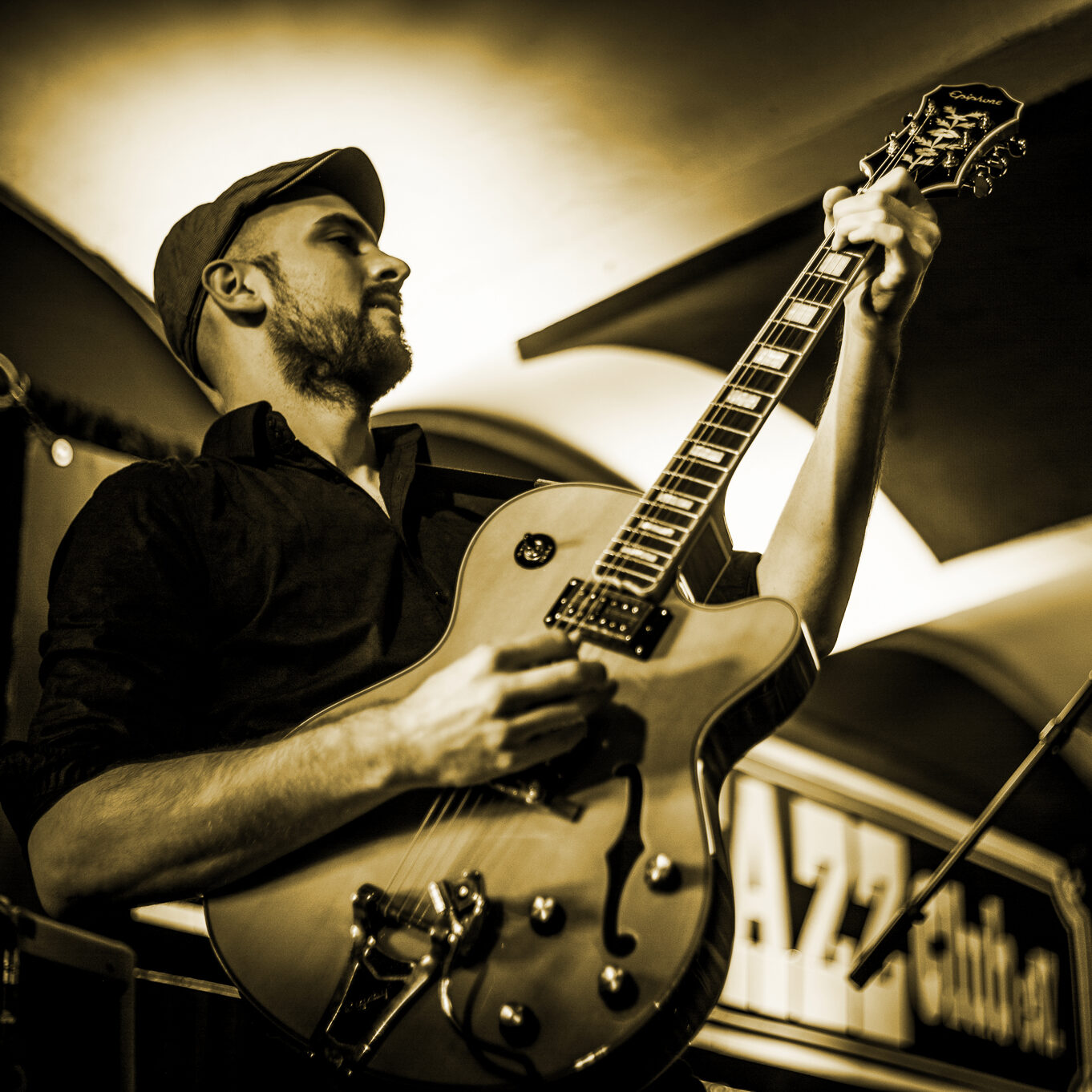
MALIWA crafts chilled, jazz-infused lo-fi that feels like a small daily reset—warm chords, soft groove, and a guitar-minded sense of touch that turns simple moments into atmosphere.
Q: For those who don’t know you yet: how would you describe yourself as an artist in a few sentences—and what does the name MALIWA stand for in your musical world?
MALIWA: MALIWA is one of my music projects, which I started in 2022. I have a lot of different musical tastes, but everything I make in the lo-fi, jazzy beats, and chillhop world flows into this project.
Q: You’re extremely consistent and prolific—your discography is huge. Looking back: what was your journey into lo-fi, and was there a defining moment when you knew this “chilled + jazzy” direction was your lane?
MALIWA: A few years ago, one of my guitar students wanted to learn a song by L’indécis. I loved it and fell down the rabbit hole—after the lesson, I listened through his entire discography. I was so hooked that I tried composing something in that direction myself, and the ideas kept coming. I stuck with it and went deeper and deeper into the genre.
Latest Work
Q: Your releases often feel like snapshots—compact, direct, and mood-first. Where do you feel your sound is right now compared to earlier MALIWA tracks, and what are you consciously refining?
MALIWA: I hope my sound has improved over the years. I’m trying to get faster and more confident with recording and producing—and especially with capturing the mood I hear in my head. Starting MALIWA was when I really began to dive deep into production.
Q: There’s a clear atmosphere running through your catalog—cozy, relaxed, jazzy, and emotionally “light on its feet.” What emotional or conceptual thread do you keep returning to when you write?
MALIWA: I don’t chase a specific concept—I let inspiration lead the way. Luckily, I almost always have ideas when I sit down at my instruments. Fingers crossed it stays that way.
Creative Approach
Q: When a new track starts, what usually comes first for you: a chord progression, a drum pocket, a sample/texture, a guitar phrase, or a specific emotion?
MALIWA: I don’t have a fixed process—every track starts differently. I can be inspired by almost anything: a chord, a little lick, a drum groove, a new sound, or a mood. Whatever shows up first becomes the starting point, and from there, I build the track.
Personal & Creativity-Related
MALIWA
Q: You share a lot of your world through Instagram. How do visuals and short-form content shape your creative process—does social media inspire you, pressure you, or help you stay connected?
MALIWA: For me, social media is at its best when it does what it was meant to do: connect you with inspiring people around the world. It’s how I’ve found almost all of my collaborators, and I love discovering new ideas through other artists’ channels. But if I’m being honest, it can get overwhelming fast—and I still catch myself spending way more time on it than I should.
Q: Do you have a routine or ritual that helps you stay productive—or do you thrive more on spontaneity?
MALIWA: I don’t really have a routine. But I usually have works-in-progress with other people, so I’m always motivated to move things forward. I want each track to be as good as I can make it—that’s what drives me.
Q: How do you deal with creative blocks, self-doubt, or periods of silence—especially when you’ve built a project that’s known for regular releases?
MALIWA: I allow it. It’s rare for me to have no ideas—usually, as soon as I focus, I start creating. But I don’t panic anymore if nothing shows up for a while. I keep learning, let myself be inspired, and it comes back. Luckily, that’s always been the case for me.
Inspiration & Listening
Q: Which artists or albums have inspired you most recently—and what did they unlock in you creatively (jazz harmony, drum swing, sound design, texture, arrangement, mix choices)?
MALIWA: I’ve been listening to a lot of Kenny Burrell lately—an American jazz guitarist with incredible flow and versatility. I’d love to absorb even a small piece of that and bring it into my own playing. And I’ve been a big fan of Tom Misch for years—a superb songwriter, producer, and all-round talent.
Q: If you could recommend one piece of music—any genre—that everyone should listen to at least once, what would it be (and why that one)?
MALIWA: Then maybe a L’indécis track. I’m not sure everyone needs to hear it, but it started this whole journey for me—and it’s still super groovy and tasteful: “L’indécis – Soulful.”
Creative Philosophy & Vision
Q: In lo-fi, the line between “beautiful” and “generic” can be thin. What role do experimentation and risk-taking play in your music—and what do you do to keep your sound fresh while staying MALIWA recognizably?
MALIWA: Experimentation is very important to me—I could do it all day. I’m open to all kinds of music and influences, and I’m always trying new things and creating unpredictable moments. I make music with whatever I can get my hands on. I’m not sure I have a clearly recognizable style yet, but exploring is the best way I know to develop one.
Q: If there were no limits—no budget, no deadlines, no technical restrictions—what would your dream creative project look like?
MALIWA: I’d love to write an album with Tom Misch and L’indécis—and then tour it with them.
From Silence to Sound – Creative Identity
MALIWA
Q: I often explore how personal decisions shape a musician’s signature sound. Which choices most strongly define your sound—chord language, groove, drum texture, instrument palette, the way you treat “imperfection,” your mix aesthetics?
MALIWA: I don’t have a specific strategy for that, but you’ll probably always hear my guitars in my songs.
Q: Looking back, what have been the most important turning points in your creative journey—moments that changed how you make music or how you think about release strategy, collaboration, and consistency?
MALIWA: Learning to record myself, learning to produce, and staying open to collaborations.
Closing
Q: What do you hope listeners feel or take away when they experience your music—especially on days when they need calm, focus, or a reset?
MALIWA: I hope listeners can unwind and nod their heads to my music.
Q: If you could give one piece of advice to someone at the beginning of their creative journey (especially someone navigating doubt or a “silent phase”), what would it be?
MALIWA: Be open-minded. Try out everything you can musically. It doesn’t matter if anyone else likes it, as long as you like it. Start songs and finish them. Keep going. Keep learning. Immerse yourself in the craft and dive in headfirst. Love what you do.
Q: Finally, what’s next for you—what should we be looking forward to?
MALIWA: I’m constantly working on new songs with people scattered all over the globe. I really enjoy this varied and creative process. I hope I can meet more of my collaborators in real life, not just online.
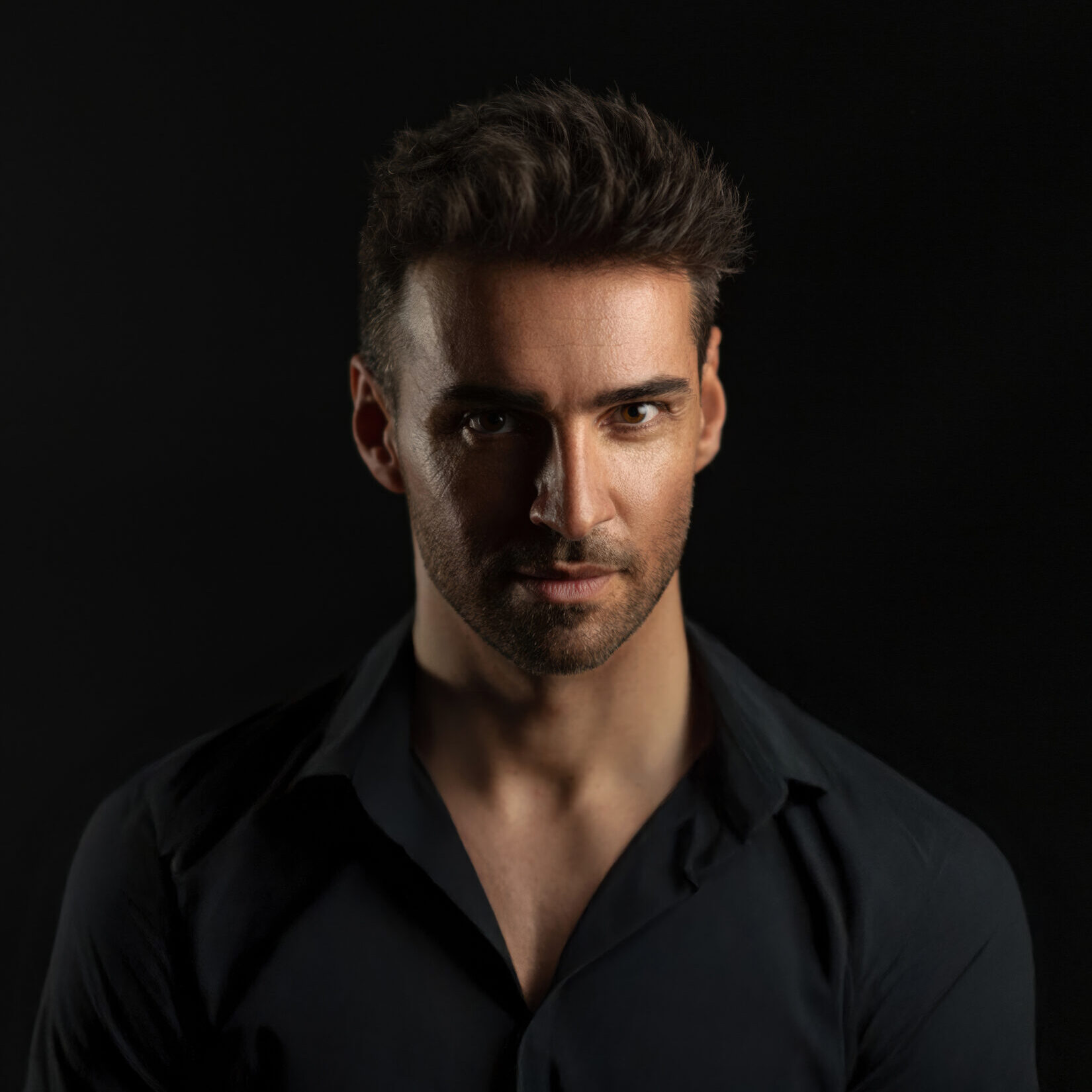
Sinatic is an exceptional songwriter—hook-smart, emotionally precise, and deeply musical—who pairs pop-level craft with cinematic electronic production. Just as impressive is his collaborator mindset: he’s worked with singers around the globe with a rare mix of empathy and clarity, and his guitar playing adds a warm, human signature that cuts straight through the electronics.
Q: For those who don’t know you yet: how would you describe yourself as an artist in a few sentences—and what does the name Sinatic stand for in your musical world?
Sinatic: I describe myself as an artist who prioritizes emotion as the primary driver and technique as its servant. To me, music is a translation of the intangible into the audible; every tone carries a specific impulse that the listener receives as a feeling. Because of this, quality is non-negotiable. I believe even the most microscopic sonic detail can pivot the emotional weight of a song. My work exists in the fertile ground between cinematic soundscapes, electronic textures, and melodic pop, creating expansive musical spaces that invite the listener to step in and connect on a deeper level.
The name Sinatic is the heartbeat of this philosophy. When I established the project in 1998, I sought a name that felt both mysterious and timeless – something that carried the evocative spirit of projects like Enigma. I discovered the term “Sinatic” in an essay on ancient languages, and it resonated instantly. It carries the weight of a learned, classical term; its roots evoke the “Sinaitic” – a sense of origin and revelation – while its suffix suggests a fundamental state or principle. Intuitively, the word represents music as a primal source, a language that exists before words. For me, Sinatic is a creative identity dedicated to authenticity, depth, and a connection to something fundamental and timeless.
Q: You began in chillout and later moved through pop and more song-driven work—then returned to your roots with two decades of experience behind you. Looking back: what were the key turning points that shaped your identity as producer + songwriter?
Sinatic: Looking back, the biggest turning point was leaving my comfort zone. I grew up in the 1980s, and at some point, I discovered the music of Vangelis, Jean-Michel Jarre, and Mike Oldfield. Their melodic worlds had a huge impact on me. The atmosphere, the emotion, and especially the sound of synthesizers fascinated me from the very beginning. That was probably the moment when I first realized how powerful sound can be in creating feelings and images beyond words, and it shaped my musical instincts long before I started producing myself.
I started in chillout music, where atmosphere and emotion were always at the center, but over time, I became curious about songwriting and the craft behind songs that truly stay with people. Moving into pop and more song-driven production forced me to think differently. Suddenly, it was not only about sound and mood, but also about structure, storytelling, and creating moments listeners remember.
Another important turning point was working behind the scenes with different producers and artists. Being part of collaborative environments taught me how much discipline and intention lie behind great music. I learned that a strong song is rarely accidental. It is the result of countless small decisions, from melody choices to sound design and arrangement. That experience shaped my identity as both a producer and songwriter, because I began to see production and songwriting as one unified process rather than two separate roles.
Returning to my chillout roots later felt almost like coming full circle, but with a completely new perspective. After two decades, I approached atmospheric music differently. I brought songwriting sensibility, emotional storytelling, and technical precision back into a genre that originally inspired me. For me, one of the most important lessons along the way was that music only truly connects when you genuinely feel it yourself. Authenticity is essential. If the emotion is real during the creation process, listeners will recognize it, and that honesty ultimately defines my identity as an artist today.
Latest Work
Q: Please introduce your latest release in your own words. What is it, and how would you like listeners to approach it—headphones, late-night listening, a drive, background focus, or a deep “front-to-back” listen?
Sinatic: My latest release, Almost Yours, captures a very special energy that has always lived somewhere inside my musical DNA. It is deeply inspired by the emotional atmosphere of the 1980s, a time when melodies felt cinematic and nostalgic at once, but translated into a modern production language. I wanted to combine that timeless synth-driven feeling with contemporary sound design, so it feels familiar and new at once.
The track carries a lot of energy, but it also has a bittersweet undertone that has become something like a signature element in my music. I’m always drawn to that emotional space between hope and nostalgia, where a song feels both uplifting and melancholic at once. Almost Yours lives exactly in that tension.
The song is also a first glimpse into my upcoming album Pop Evolutions, which will be released later this year. As one of the singles from the project, it captures the album’s direction very well, blending emotional songwriting with modern pop production while retaining subtle retro influences.
Ideally, I would love listeners to experience it with headphones or during a late-night drive, when music feels more personal and immersive. It works as an energetic track, but it really reveals its emotional layers when you give it your full attention. For me, it’s not just background music. It’s meant to create a mood, a moment, and maybe even a memory while you listen.
Q: How would you describe this release (album/EP/single) in your own words—and where does it sit in your evolution as an artist right now?
Sinatic: I would describe Almost Yours as a bridge between my musical roots and where I am creatively today. It combines my early love for atmospheric electronic music with everything I’ve learned through years of pop songwriting and production. For me, it feels like a very honest snapshot of my current artistic identity.
At this point in my evolution, production and songwriting are no longer separate processes. Sound, melody, and emotion all grow from the same idea, which makes the music feel more focused and authentic. Rather than chasing trends, I’m embracing the influences that shaped me and translating them into a modern sound.
As part of the upcoming album Pop Evolutions, the release marks a phase of clarity and confidence for me as an artist, creating music that feels emotionally real and, hopefully, timeless.
Q: There’s a cinematic warmth and forward motion in your recent work. What emotional or conceptual thread did you keep returning to while making it?
Sinatic: The emotional thread I kept returning to was the idea of movement, both emotionally and personally. Many of the songs were created around the feeling of being in transition, standing between nostalgia and forward motion. I’m very drawn to that space where something feels familiar and comforting, but at the same time pushes you toward something new. That naturally created this cinematic warmth, because cinematic music often carries a sense of journey and emotional progression.
Another important concept was emotional honesty. I always try to create music that I genuinely feel while making it, because listeners can sense whether an emotion is real or constructed. Every sound choice, every melody, was guided by the question: does this create a feeling, does it move something inside? For me, music works best when it doesn’t just exist as sound, but as an emotional experience unfolding over time.
So the common thread throughout the process was balancing energy and vulnerability. I wanted the music to move forward rhythmically and sonically, while still leaving space for reflection and emotion. That contrast became a defining element of this phase of my work.
Songwriting, Hooks, Guitar & Craft
Sinatic
Q: You’re an exceptional songwriter—hook-smart, emotionally precise, and deeply musical. When you write, what does “great songwriting” mean to you in practice (tension/release, chorus lift, lyric economy, melodic architecture, arrangement pacing)?
Sinatic: Great songwriting starts with a simple truth: if it doesn’t feel real, it won’t work. While I utilize the technical architecture of music (tension, release, and pacing), these are always secondary to authenticity. I aim for lyrical clarity, choosing words whose “sound” complements their “sense” to let the melody breathe.
I view hooks through two lenses: in pop, they must be instantly iconic; in cinematic music, they act as a guide through more complex, atmospheric landscapes. Whether I’m writing a radio hit or a film score, my goal remains the same: to serve the emotion of the piece. By balancing technical precision with human feeling, I strive to create music that feels honest from the first note to the last.
Q: You’ve studied a “Max Martin approach” to hit-making. What parts of that mindset genuinely improved your craft—and what parts did you choose to ignore to stay authentic?
Sinatic: Studying the Max Martin approach provided me with a masterclass in the “architecture” of a hit. His methodology, which famously draws from the melodic DNA of ABBA, taught me how to use tension and release, refine arrangement pacing, and ensure that every hook lands with maximum impact. I’ve taken a deep dive into that signature “Wall of Sound,” analyzing how layering and sonic density can create an overwhelming emotional response. That discipline, focusing on how a song guides a listener from the first beat to the last, has sharpened my technical toolkit and given me the precision to write music that truly sticks.
However, I’ve learned that these “rules” only hold power when they are fueled by authentic feeling. While I embrace the structural framework of the greats, I consciously discard anything that feels like a formula without a soul. My process always returns to simplicity and emotional honesty. I allow my intuition to guide the melody – even when it bends conventional expectations – and I prioritize lyrics that feel lived-in and natural. For me, the Max Martin and ABBA influence is a powerful foundation, but the true magic only happens when that technical “Wall of Sound” meets a genuine human connection.
Ultimately, I want the listener to have a clear, guided path as they immerse themselves in my sonic world. Too much distraction creates restlessness. My goal is to remove the noise so the listener can truly settle into the heart of the song.
Q: When you write a topline or hook, how do you judge if it’s truly sticky and emotionally honest—what’s your test?
Sinatic: When I’m crafting a topline or a hook, intuition is my primary compass. I pay close attention to what lingers: the melodies that refuse to leave my head after the first listen. My process often involves creating four or five distinct variations of a hook, then stepping away to let the dust settle. Returning with fresh ears allows me to decide based purely on emotional resonance rather than the technical effort of the moment.
Sometimes, the most compelling ideas emerge from the most unexpected places. I frequently revisit song concepts from years ago; occasionally, a piece of a puzzle finally clicks in a way I couldn’t have forced back then. For me, that authentic connection is non-negotiable. If I don’t truly identify with the music, the project is moved to what I jokingly call the “graveyard of ideas.” Over the years, this archive has grown into thousands of unfinished concepts – a testament to my commitment to quality. For me, this vetting process is essential: only the hooks and toplines that genuinely move me are worthy of being brought to life and shared with the world.
Q: Your guitar playing is a real signature. How does guitar show up in your process—do you start with guitar sketches, use it to find harmony, or add it later as an emotional layer?
Sinatic: Guitar has always been a cornerstone of my sonic identity; a passion rooted in my early discovery of Mike Oldfield’s melodic sensibilities. While the era of the sprawling guitar solo has largely faded from “mainstream pop”, I’ve found subtle, modern ways to weave the instrument into almost every track I produce. My process often begins with a guitar sampler to capture the initial spark of a progression or a melodic line. However, the real magic happens during the final recording, where the physicality and expression of the strings bring a human nuance that a synth or piano simply cannot replicate.
Looking back at my body of work, guitars are everywhere, though not always in the way you’d expect. They live in the psychoacoustic layers, as “ear candy,” or as organic textures that breathe life into a mix. Whether it’s a deliberate riff or a shimmering atmospheric wash, the guitar adds a layer of organic movement to even my most electronic-heavy productions. For me, the guitar isn’t just an instrument; it’s a direct conduit for emotion, bridging the gap between high-end production and the undeniable warmth of the human touch.
Creative Approach
Sinatic
Q: When a track starts for you, what usually comes first: the groove, a chord progression, a lyric phrase, a vocal melody, or a sound/texture?
Sinatic: My creative process is fluid; there is no single starting point. Often, I begin with what I call “quick song starters” – opening a blank session and diving into the vast, vocal-like textures of plugins like Omnisphere or Kontakt. These sounds often feel less like software and more like living voices. I’ll improvise with a specific patch, letting the emotional weight of the chords dictate the direction rather than following rigid theory. Usually, as the progression takes shape, lead lines and vocal melodies begin to materialize in my mind almost instantly.
In other moments, a specific groove or a raw sonic texture might be the spark that ignites the entire arrangement. I view this stage much like EQing: while there are technical principles you can follow, there is no absolute “right” or “wrong.” The only metric that matters is whether the elements coalesce into a world the listener can inhabit. For me, songwriting is a flexible, intuitive dialogue between sound and soul, always guided by what feels right in the moment.
Q: Can you describe a moment during the creation of a recent release where everything clicked—or almost fell apart? What changed the outcome in the end?
Sinatic: For me, the most critical element of creation is sustaining the flow. If that intuitive connection breaks, I’ve learned to let the idea go rather than try to force a spark that isn’t there. I aim to ride that initial wave of inspiration as far as it will naturally take me, pushing the boundaries of the concept while the energy is still raw.
Sometimes, everything clicks with startling speed. During the sessions for my Infinity album, for example, three tracks materialized almost in a single day – evolving from a blank slate to a complete rough draft in a matter of hours. Those are the moments where technique, emotion, and timing align perfectly. Conversely, other ideas from those same sessions were “trashed” because they simply didn’t resonate.
In the end, my intuition is the final judge. If a track feels alive and honest, it moves forward; if not, I have the discipline to step away. By trusting my feelings rather than the urge to force completion, I ensure the music remains authentic. Only the songs that truly survive this vetting process possess the power to connect with the listener.
Collaboration
Q: You’re also known as a great collaborator—you’ve worked with singers around the globe, and your productions often feel tailored to the voice. What do collaborations teach you about your own sound—and how do you keep your identity strong inside a shared process?
Sinatic: Collaborations are a fascinating collision of two creative worlds, often yielding results neither artist could achieve alone. To me, the “human / soul energy” between collaborators is the secret ingredient of any great song; that chemistry is what breathes life into a project.
When working with other songwriters, I often begin as a quiet observer. I study their unique approach to melody, lyricism, and arrangement—treating their process as a distinct form of “sound painting.” This allows me to see where our techniques might merge, refine, or even challenge one another. It’s a constant evolution; I’m always looking for ways to adapt and elevate my own craft through these shared experiences.
However, I am mindful that my own identity must remain a clear thread in the tapestry. I ensure there is a recognizable Sinatic fingerprint in every collaboration – whether through my specific harmonic choices, atmospheric textures, or emotional phrasing. For me, the art of collaboration is a delicate balance: honoring the creative world of another while staying anchored in the authenticity of my own.
Sinatic
Sinatic
Q: When a collaboration works, what’s the real reason—chemistry, clarity of roles, a shared reference world, speed, trust, or something else?
Sinatic: When a collaboration truly succeeds, it is rooted in resonance. Everyone involved must be “in tune” with the song’s ultimate purpose, allowing the music itself to dictate the direction. At this level, the ego must take a back seat. We all bring a unique set of strengths and weaknesses to the table, and the most rewarding sessions happen when we use our skills to support one another, filling the gaps and elevating the collective vision rather than competing for space.
While factors like chemistry, technical speed, and shared reference points are essential, they are secondary to trust and selfless alignment. Without that fundamental resonance, even the most skilled team can struggle to find the heart of a track. For me, that moment of alignment – where personal agendas fade, and the music takes over – is what transforms a standard session into something truly special.
Working with Thomas Lemmer – Building a Concept World
Q: You’re currently creating a collaborative concept album with Thomas Lemmer (Infinity). What was the initial spark—why did this partnership make sense artistically?
Sinatic: The initial spark for Infinity was born from a long-standing resonance with Thomas Lemmer’s sonic architecture. Having admired the atmospheric depth of his work for years, the moment came when the timing finally aligned, and it felt inevitable to merge our creative worlds into a collaborative concept album.
The results were a revelation. The synergy between our styles unlocked creative avenues I hadn’t anticipated, resulting in compositions that feel entirely unique to this partnership. To further elevate this cinematic experience, the album was mixed in immersive Dolby Atmos, a move that fundamentally enhances the spatial depth and allows the listener to step directly into the soundscape. For me, this project was the ultimate validation of my collaborative philosophy: two artists pushing past their individual boundaries to create a rich, expansive world that neither could have built alone.
Q: Compared to pop/dance writing, concept-driven chillout demands a different kind of patience and storytelling. What did you have to unlearn—and what did you bring from the pop world that actually helped?
Sinatic: Concept-driven chillout demands a unique level of patience and surgical attention to detail. Unlike the immediate gratification of pop or dance music, the production process here is far more rigorous – sonic layers are built with meticulous precision, and automation is used to breathe life into every corner of the mix. In this world, strict quantization takes a back seat; preserving the “human touch” is paramount. I focus intensely on the negative space – how a song breathes and how the dynamics shift – to ensure every detail meets a “top-shelf” standard of quality.
Paradoxically, my background in pop and dance has become my greatest asset in this expansive genre. By applying my understanding of structure, hook placement, and emotional pacing, I can guide the listener through atmospheric landscapes without losing their attention. I’ve had to “unlearn” the shortcuts of radio-ready production, yet I’ve retained the clarity, focus, and melodic intuition that make music truly compelling. The result is a sound that is deeply immersive and cinematic yet remains fundamentally approachable.
Creative Identity & Closing
Sinatic
Q: I often explore how personal decisions shape a musician’s signature sound. Which choices most strongly define your sound—your chord language, hook instincts, sound design, guitar touch, mix aesthetics, or your sense of emotion?
Sinatic: Ultimately, my signature sound is a mosaic of deliberate choices rather than a single element. It is born at the intersection of my specific chord language and my instincts for hooks, which together shape the song’s emotional arc. I view sound design and mix aesthetics as the architecture of the track – defining its texture and space – while my guitar touch acts as the organic pulse, providing the subtle melodic and rhythmic cues that ground the production in reality.
Above all, emotion is the connective tissue. Every decision – from a complex harmonic shift to the most microscopic sonic detail – is filtered through a single question: How does this feel? This unwavering focus on emotional intent, fused with technical precision, is what gives my music its recognizable voice. In an industry often driven by shifting trends, I choose to stay anchored in my own creative intuition. My sound is less about adhering to a genre and more about the thousands of personal decisions I make at every stage of the journey.
Q: What do you hope listeners feel or take away when they experience your music—whether it’s a chillout journey or a song built for impact?
Sinatic: Ultimately, my greatest ambition is for my music to act as a catalyst for genuine emotional connection. Whether it is a sprawling chillout journey or a high-energy, hook-driven track, I want the listener to feel something profound – be it a sense of nostalgia, a spark of hope, or a quiet moment of reflection.
I strive to create music that resonates far beneath the surface, where every texture and melody is a deliberate contribution to a larger experience. To me, success isn’t measured in plays or charts, but in those moments when a listener closes their eyes and truly gets lost in the music. If a feeling lingers long after the final note has faded, then the song has done its job. In the world of Sinatic, emotion always leads the way; everything else is there to support the heart of the song.
Q: If you could give one piece of advice to someone at the beginning of their creative journey, what would it be?
Sinatic: If I could offer one piece of advice to those beginning their creative journey, it would be this: embrace patience and become a student of the craft. Immerse yourself in the work, listen with a wide lens, and explore the vast spectrum of musical styles – but through it all, remain anchored in your own truth. Authenticity is your only true currency.
In an age of constant noise, do not let distractions dilute your focus. True creative growth requires the discipline to stay the course and the courage to protect your vision. If you remain dedicated and honest to your artistic core, the results won’t just follow – they will resonate.
Q: Finally, what’s next for you—what should we be looking forward to?
Sinatic: Looking ahead, my focus remains on creating music that moves me first, in the hope that it will do the same for the listener. I am currently diving deeper into the world of cinematic scoring, exploring the vast possibilities of film music. Several sketches are already underway as I experiment with a broader palette – perhaps even a project in the grand, evocative vein of Hans Zimmer.
While I am embracing this new variety beyond pop and dance, I remain deeply rooted in the ambient and chillout spaces that have always inspired me. For me, the next chapter is about following that same intuitive compass: exploring uncharted sonic territories while ensuring every note remains honest, expansive, and emotionally engaging.
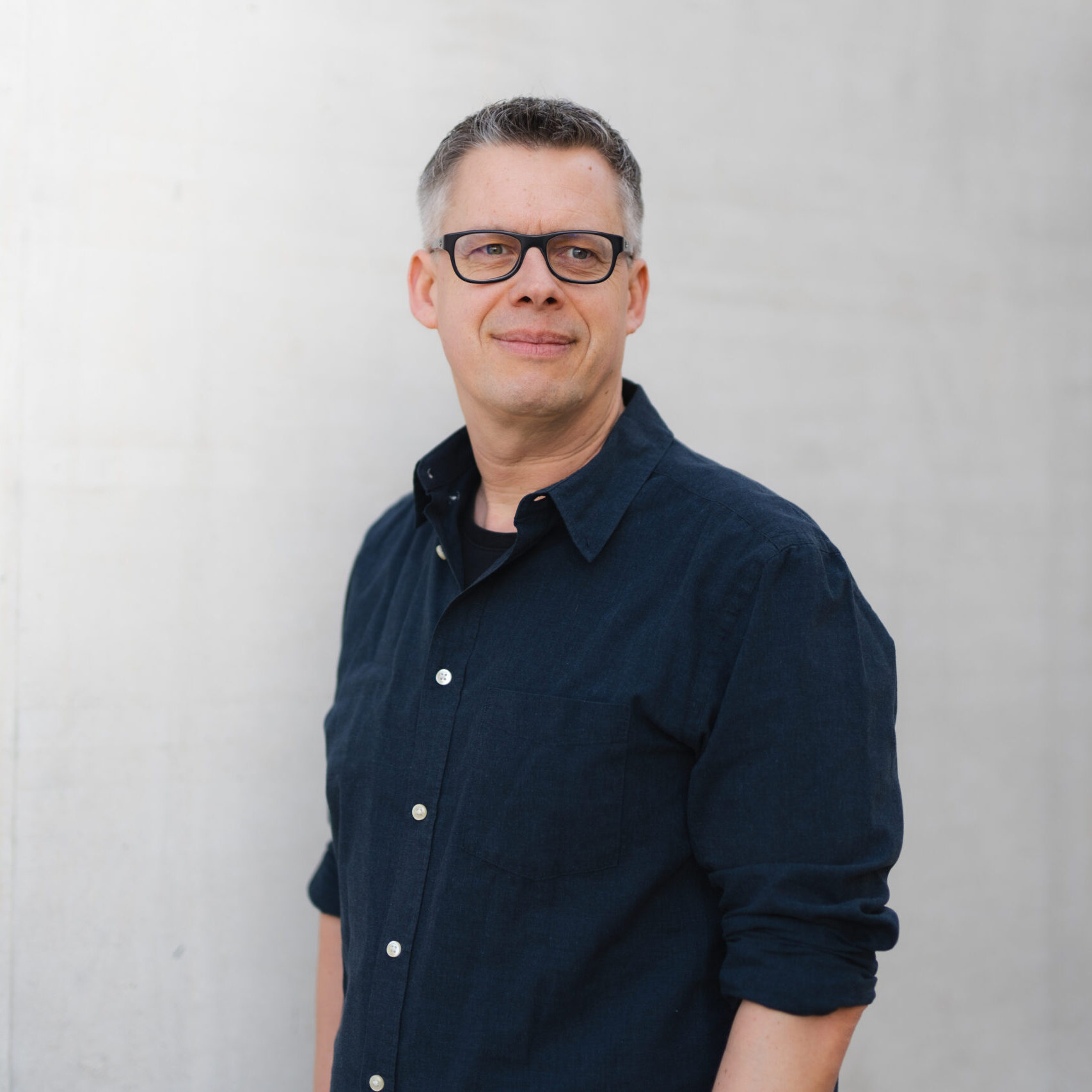
Tauon blends melodic house energy with ambient air—music that moves between club pulse and inner calm, shaped by decades of electronic experience and a clear sense of emotion.
Q: For those who don’t know you yet: how would you describe yourself as an artist in a few sentences—and what does the name TAUON stand for in your musical world?
Tauon: I’m Tauon (Olaf Gretzmacher), a producer, DJ, and live act with more than 20 years of experience in electronic music. My roots are in ambient, chillout, downbeat, trance, new age, and soundtrack music, and I first gained international attention with my trance-downtempo project GMO.
The name Tauon comes from physics: the tau lepton is the heaviest of the charged elementary particles in the Standard Model. I chose the name because to me it sounds powerful, timeless, and curiosity‑sparking—just like the music I want to create.
Tauon is the most personal project of my long musical journey. It brings together all my experiences, memories, and influences into honest electronic and orchestral music—music that invites you to switch off, dream, reflect, and dance. I don’t really fit into pre-made boxes, and that’s exactly why I value working with Sine Music Records, where I’m free to be exactly who I am musically.
Q: You’ve been active for a long time as producer, DJ, and live act, moving through genres like ambient, chillout, downtempo, and different shades of house and techno. Looking back: what was your journey into music like—was there a defining moment when you knew you wanted to build your own sound world?
Tauon: For me, there was never that one moment where I decided, “Now I’m going to be a musician.” Music was simply always there. As a kid I took piano lessons, and I was introduced to electronic music very early—especially through artists like Jean‑Michel Jarre, Kraftwerk, Vangelis, Kitaro, and many others. Those sounds opened up a completely new world for me.
Melodies and soundscapes have always fascinated me. That feeling—when a simple sequence of notes suddenly carries an entire mood or memory—has never let go of me. Even at school, when we watched documentaries in class, I was often more interested in the music in the background than the actual content. When I discovered trance and the Goa scene in the early ’90s, I was completely hooked. Those hypnotic, emotional worlds moved me so deeply that I knew I had to make music myself.
As a teenager, I also recorded a radio show called “Traumstunde” (“Dream Hour”) every Wednesday night. That’s how I discovered one artist after another—many of whom still inspire me today. Those hours in front of the cassette recorder were like a secret school of electronic music.
At 16 I wrote my first pieces; in my early twenties I started producing seriously. I quickly realized it was never about fitting into one genre. What interested me much more was creating emotional spaces—music you can dive into, feel, think to, or let go with.
Projects like GMO were important milestones for exploring energy, trance, and rhythm. As a DJ and live act I got to experience many special moments at festivals—big and small. At the same time, that calm, atmospheric, and cinematic side was always part of me. With Tauon, all of it finally came together.
So there wasn’t one single key moment—more a long journey of sounds, emotions, and experiences until I understood: my own sound is born right between all of these worlds. That’s where I feel at home.
Latest Work
Q: Please introduce your latest release in your own words. What is it, and how would you like listeners to approach it—headphones, a drive, late-night listening, on the dancefloor, or as background focus?
Tauon: “Echeyde,” my latest single, came out of a close collaboration with a good friend, Annika Jokiaho (aka Gaia de Isora), during a hike through the Cañadas del Teide on Tenerife. Inspired by the mystical atmosphere of the volcanic highlands—and by an old Guanche term for the sacred mountain, a “gateway between worlds”—the track reflects the duality of this unique landscape.
Musically, Echeyde blends melancholy, dark synthesizers with ethereal female voices, influenced by the early, atmospheric aesthetic of Trentemøller. Carried by a meditative rhythm, the track translates the quiet, contemplative beauty of the Canary Islands’ wilderness into sound.
Just like life is made of many emotional moments, my music reflects that same variety. It accompanies different moods—from laughter and a grin to reflection and melancholy, all the way to motivation and inner movement. Whether you’re cooking, in the car or on a train, flying above the clouds, in a club, or at a festival—there should be a space in my music for every phase and every feeling.
I’d place Echeyde in the realm of cinematic film music. That’s also one of my big dreams: that my music finds a place in films, and that one day I’ll be composing specifically for film productions. The connection between images and sound worlds has fascinated me for a long time—it feels like a natural extension of my music.
Q: How would you describe your current phase as TAUON (single/EP/album era) in your own words—and where does it sit in your evolution compared to earlier milestones like Somewhere or the more downtempo-leaning work?
Tauon: Right now I’m working on a lot of new tracks, with the goal of finishing an album again. It will probably be calmer and more cinematic—although with me, it’s never fully predictable where the journey will go. When I’m producing, I always follow my gut, and sometimes it simply takes time for the muse to knock again.
Q: There’s a clear atmosphere running through your catalog: movement, travel, city vs. nature, and that feeling of escaping everyday noise. What emotional or conceptual thread do you keep returning to while writing—especially on releases like City Life and Tisno?
Tauon: For me, it’s hugely important to regularly break out of everyday life—whether that’s traveling, spending time by the sea, or simply being in nature. Sunsets—ideally over the ocean—are especially important to me, because they carry that moment between arriving and letting go. That’s exactly the space where new ideas can grow. Often, new tracks come almost automatically from those moments.
“City Life” is a good example of that, and so is “Tisno.” Tisno came directly out of the annual vacations with a good friend in Croatia. We kept listening to the same compilation of emotional, brilliant deep-tech house—and at some point it was clear that tracks had to grow out of that mood.
“City Life,” “Far Away,” and “Tisno” are essentially a tribute to those shared trips—to letting go, the conversations, the sea, and the music. That shift between routine and escape, between city and nature, is the thread that runs through my work.
Creative Approach
Q: When a track starts for you, what usually comes first: the groove, a chord progression, a melodic hook, a vocal idea, a texture/field atmosphere, or a specific emotion?
Tauon: It varies a lot for me, but most of the time a track starts with textures or a groove. From that, a mood often forms intuitively and shapes everything that follows. Sometimes it happens surprisingly fast—there are times when a piece is almost finished within a few hours. “Outside” is a good example: it came out of one of those spontaneous moments where everything just clicked.
Q: Your music often balances two worlds: minimal, clean club rhythm and cinematic, slow-moving emotion (strings, pads, wide space). How do you make that contrast feel coherent rather than “two tracks glued together”?
Tauon: Honestly, I can’t really explain it in a technical way—it just happens. That’s exactly what TAUON is for me. When I’m producing, I don’t think in separate worlds like “club” or “cinematic.” I follow my intuition. If a groove and a pad, a beat and an emotion naturally find each other, I let that happen.
Sometimes I start with a clear idea—like wanting to make a deep-tech house track—and in the end it turns into a quiet, cinematic piece. Or the other way around. I consciously allow those developments, because that’s where the magic lives.
I don’t make music from a blueprint—I simply make music. And it’s out of that free, unplanned process that the contrast emerges in a way that still feels coherent to me.
Remixing – Craft & Identity
Q: Your remixes are genuinely strong: they feel respectful to the original, yet unmistakably yours. When you remix another artist, what’s your first step—do you listen for the emotional core, the hook, the rhythm pocket, or the harmonic language?
Tauon: First of all, thank you for the kind words.
Remixes are something very special to me—I love making them. For me, remixing (like making music in general) is a bit like cooking: I pick my ingredients—the individual stems from the original—and then I cook my own dish from them.
Sometimes I use only a few elements and build something completely new; sometimes I keep more of the original and simply add my own “Tauon spice.” Either way, I always approach the source material with a lot of respect. It matters to me that you can feel my appreciation for the original track, even if the result ends up sounding very different.
Remixes are also a wonderful creative playground for me—especially when I don’t have a clear idea for my own next track.
Q: What’s your personal “remix philosophy”? In other words: what do you never touch, what do you almost always change, and how do you decide whether a remix should be dancefloor-driven, ambient-leaning, or something in-between?
Tauon: My remix philosophy is actually pretty simple: first I listen very closely and feel what touches me most in the original. That core is what I try to bring forward and highlight. Everything else then grows in the process.
I deliberately let the music lead me instead of following a fixed plan. Whether a remix ends up being for the dancefloor, for a quiet moment, or somewhere in between usually reveals itself naturally through that open, intuitive way of working.
Q: Technically and creatively: do you prefer working from stems, rebuilding parts yourself, or sampling tiny fragments and reinventing them? Can you walk us through a recent remix process—from first listen to final bounce?
Tauon: For me it’s a mix of all of that. I like working with stems, but I also often cut out tiny fragments and develop something new from them. That flexible way of handling the material is a big part of my creative process.
A good example is my remix of “Confidence” by Thomas Lemmer & Oine. I fell in love with the track on first listen and immediately thought: this melody could be mine. So it was clear I absolutely wanted to remix it.
A lot happened during the process. Around that time I was working intensively with cello sounds, and it was almost inevitable that this color would flow into the track. In the end, something came out that I’m really proud of—especially the finale. For me, this remix is a successful fusion of the original and my own Tauon ingredients.
Personal & Creativity-Related
Q: When you’re not making music, what fuels your creativity? (Places, travel, architecture, late-night city lights, nature, films, books, silence—what reliably feeds your imagination?)
Tauon: As I mentioned, calm, travel, nature—and above all the sea—are extremely important to me. In those moments, far away from everyday life, I can hear and feel clearly again, and that’s often where new inspiration appears.
But great new music can also trigger a lot in me—whether I discover it on a platform or hear it in a film or series. Sometimes a single sound or a short scene is enough to spark a new idea.
In the end, it’s often simple: less is more. In silence—and in paying attention—creativity usually grows the most.
Q: Do you have a routine, ritual, or habit that helps you stay inspired—or do you thrive more on spontaneity and chaos?
Tauon: I don’t really have a fixed routine or ritual. For me, creativity works better through spontaneity and a certain amount of chaos. Often, the best ideas show up exactly when I’m not trying to force anything.
Of course I also know a bit more discipline wouldn’t hurt sometimes—but this free, unpredictable way of working is simply part of who I am, and how I make music.
Tauon
Q: How do you deal with creative blocks, self-doubt, or periods of silence—especially when you’re juggling different roles (producer, DJ/live act, remix work, collaborations)?
Tauon: These days I’m much more relaxed about creative blocks and quieter phases. I’ve learned to accept them for what they are. Pressure creates resistance—and in music, that rarely leads to anything good.
In the past, a good balance for me was DJing and making people dance and grin to melodic trance at 138 BPM. After that there was space again for calmer, more introspective music. Switching between those worlds always helped me stay in flow.
As I get older, I notice I approach a lot of things more calmly. Anything can happen, nothing has to—as long as it feels right. Out of that attitude, my most creative work is happening today.
Inspiration & Listening
Q: Which artists or albums have inspired you most recently, and why?
Tauon: There are actually quite a lot. Recently, artists like Lab’s Cloud, Fejka, Malibu, Sea of Marmara, Yagya, A Winged Victory for the Sullen, Schiller, Efterklang, VisionV., Ólafur Arnalds, Nils Frahm, Sebastian Mullaert—as well as Joseph Ray’s remix of “This Version Of You” by ODESZA & Julianna Barwick—have inspired me a lot. And of course Ben Böhmer too.
What connects all of these artists for me is their ability to combine emotion, atmosphere, and depth—often in very different ways, but always with honesty.
I listen across a wide spectrum, and I keep two different Spotify playlists where I collect these influences (and I’m happy to share them):
Q: If you could recommend one piece of music—any genre—that everyone should listen to at least once, what would it be?
Tauon: That’s a mean question. 🙂
Everyone should listen to the full album Are You Shpongled? (Remaster) by Shpongle at least once.
Creative Philosophy & Vision
Q: What role do experimentation and risk-taking play in your music? Where do you consciously step outside your comfort zone—sound design, arrangement, harmony, or even release strategy?
Tauon: I wouldn’t describe myself as extremely experimental. A lot of new ideas also come from watching other musicians work and letting myself be inspired by their approaches—then trying something completely different in my own production.
I especially step out of my comfort zone in collaborations. It’s always a challenge to truly allow other people’s approaches—their ideas, their workflow, their way of thinking about music. That used to be hard for me, but I’ve learned that this is exactly where an important creative process happens. In the end, it almost always turns out that something good comes from that openness.
By the way, I’ve never really had a clear release strategy. Sometimes it annoys me that today a track is “supposed” to be around three minutes long to fit playlists. That doesn’t always feel right to me. Sometimes a musical journey tells its story in three minutes—often it needs more time.
I make music from the gut for listeners—not for playlists.
Q: If there were no limits—no budget, no deadlines, no technical restrictions—what would your dream creative project look like? (A concept album tied to places, an immersive live show, film/game scoring, a collaboration series, etc.)
Tauon: My dream creative project would be a fusion of orchestra, electronic music, and film music—a big, cinematic universe of sound. I imagine presenting that music in special spaces: planetariums, unusual locations indoors and out in nature, and select festivals where image, space, and sound can merge.
For me it wouldn’t just be a concert, but an immersive experience where people can fully dive into the sound world—almost like being in a film, except you’re right in the middle of it.
A “bed concert” DJ set (with people lying down) would also be a fun idea to explore one day.
From Silence to Sound – Creative Identity
Q: I often explore how personal decisions shape a musician’s signature sound. Which choices do you feel most strongly define your sound—your sense of groove, your melodic language, your use of vocals, your space/mix aesthetics, or the way you balance dance energy with calm?
Tauon: The answer is basically already in the question. For me, groove, melody, space, atmosphere, and the balance between movement and calm are all equally important.
But what truly defines my sound is my decision to be musically free. I want to make music the way I feel it—without clinging to rigid rules, trends, or technical dogmas. That also includes things like mix or EQ “rules.” Sometimes the most exciting moments happen exactly when you consciously let those go.
I love falling into music when a certain sense of width appears, while there’s still a foundation—whether it’s for dancing or simply listening. That freedom between structure and openness is the core of what my sound is.
Q: Looking back, what have been the most important turning points in your creative journey—moments that changed how you make music or how you think about identity, direction, and longevity?
Tauon: A big part of my foundation is clearly in my childhood and youth, as I described earlier. Those early musical impressions shaped my inner compass and still do today.
Beyond that, I’ve always been grateful for every chance to discover new music, dance, and experience sound worlds. Especially when those experiences were paired with beautiful places, time by the sea, and time in nature, they had a deep effect on me.
One of the most important turning points on my path was adopting this mindset: not thinking in limits, but letting curiosity, emotion, and movement guide you. That openness has shaped my identity as an artist—and my sense of direction and longevity—in a lasting way.
Closing
Q: What do you hope listeners feel or take away when they experience your music—especially those moments where your tracks act like a reset from everyday pressure?
Tauon: I hope people think after listening to my music: “That felt good—again.”
If my tracks can turn the volume of everyday life down for a moment, and leave behind a feeling of calm, openness, or an inner smile, then my music has achieved exactly what I hope for.
Q: If you could give one piece of advice to someone at the beginning of their creative journey, what would it be?
Tauon: My most important advice is: do your own thing.
Don’t copy—let yourself be inspired (ideally in a positive way), and stay open to new influences, people, and ideas. That’s where something real and uniquely yours is born.
Q: Finally: what’s next for you—what should we be looking forward to?
Tauon: On the horizon—without any pressure—is a new album. I don’t even know yet when it will be finished. But that’s exactly how it should be: the music comes when it’s ready.
Fun fact: sometimes a track is playing somewhere—in a playlist or on the radio—and I think, “Wow, this is really good… who is that?” And a few seconds later I realize: wait… that’s me.
It’s a little reality check every time, and it reliably makes me laugh.