When I started building the interview section of From Silence to Sound, I wanted it to be more than a collection of artist profiles. I wanted it to become a place where creative patterns reveal themselves.
Every artist arrives with a different background, a different set of tools, and a different musical language. Some work with guitars, some with synths, some with vocals, some with lo-fi textures or cinematic atmospheres. But beneath those differences, certain truths keep returning.
Again and again, the same deeper themes appear: trust your instincts, leave room for imperfection, protect your individuality, and keep listening for what a piece of music actually wants to become.
After ten interviews, one thing has become very clear to me: creativity in music production is rarely about having more options. More often, it is about having more clarity.
Here are ten lessons these conversations brought into focus.

1. A strong artistic voice often begins with quiet confidence
One of the most beautiful recurring ideas across these interviews is that not every artist is trying to be louder, bigger, or more dramatic. Sometimes the real power lies in restraint.
That came through strongly in conversations about reduced sound, atmosphere, and emotional subtlety. There is a kind of confidence in not over-explaining your music. In letting a track breathe. In trusting that a fragile texture, a small melodic gesture, or a carefully chosen sound can carry more emotional truth than a dense arrangement ever could.
For producers, this is an important reminder. You do not always need to prove how much you can do. Sometimes your identity is strongest when you let the essential elements stand on their own.
2. Creativity grows when you stop trying to sound like “everyone”
Many artists develop their most interesting work when they stop chasing external expectations. Not because they stop learning from others, but because they begin filtering inspiration through their own experience.
That is a distinction worth paying attention to. Inspiration is healthy. Copying is limiting. The moment you try to sound generically current, you risk removing the very thing that could make your music memorable.
Several interviews pointed back to this in different ways: through emotional honesty, through unusual combinations of influences, and through a willingness to follow personal instincts rather than formulas. That is where artistic identity begins. Not in theory, but in choices.
Your signature sound is rarely something you invent all at once. It is something that appears over time when you repeatedly choose what feels true to you.
3. Consistency matters more than waiting for perfect inspiration
Creativity is often romanticized as something mysterious that arrives when the mood is right. But many experienced artists know that momentum is built differently.
Creative consistency does not mean forcing masterpieces every day. It means staying in dialogue with your craft. Showing up. Experimenting. Finishing sketches. Returning to ideas. Making space for the work even when inspiration feels distant.
This mindset is powerful because it removes unnecessary drama from the process. Music becomes less about rare moments of brilliance and more about an ongoing relationship with listening, shaping, refining, and discovering.
In practical terms, this may be one of the most valuable lessons for producers: the habit of creating often matters more than the occasional burst of motivation.
4. Emotion should lead; technique should support
Across very different musical styles, another truth kept surfacing: technique matters, but emotion is what gives music meaning.
Production skills are essential. Sound design matters. Arrangement matters. Mixing matters. Song structure matters. But none of those things can replace emotional direction. A beautifully produced track without emotional intent may be impressive, but it will rarely stay with the listener.
The strongest artists tend to understand this instinctively. They use technical skill not as the center of the work, but as a framework that helps the feeling come across more clearly.
That is an important shift in perspective for producers, especially when working inside a DAW for long hours. It is easy to get absorbed in the details and forget the question that matters most: what is this track trying to say?
5. Rough edges can make music feel more human
Perfection is one of the great temptations of modern production. We can edit endlessly, polish every transient, correct every fluctuation, align every note, and remove every trace of unpredictability.
But in many of these interviews, there is a clear appreciation for what happens when music retains some texture, some irregularity, some sign of life.
A rough edge is not automatically a flaw. Sometimes it is the very thing that makes a track believable. It can create intimacy. It can preserve personality. It can remind the listener that there is a human being behind the sound.
This does not mean craft becomes unimportant. It means craft should serve expression rather than sterilize it. The goal is not to make music careless. The goal is to avoid removing its pulse.
6. Space is not emptiness — it is part of the composition
This is one of the most important lessons for any producer working with dense sessions and unlimited possibilities. Space is not what is left over when you have not finished the arrangement. Space is an active, creative decision.
Several artists spoke, directly or indirectly, about restraint, atmosphere, and the power of leaving things unsaid. That applies to melody, rhythm, harmony, sound design, and structure.
When everything is filled, nothing stands out. When there is no contrast, nothing breathes. When every moment is maximized, emotional depth can flatten.
Good use of space creates tension, clarity, elegance, and focus. It gives a listener somewhere to enter the music. It lets a sound carry weight. It turns silence into meaning.
7. Place, memory, and lived experience shape the sound more than gear does
It is easy for producers to focus heavily on tools. Which synth, which plug-in, which microphone, which workflow, which setup. Tools do matter. But the interviews repeatedly suggest that the deeper source material comes from somewhere else.
Place. Memory. Mood. Personal history. Curiosity. Emotional timing. These are often what give a piece its inner world.
That is why two artists can use similar tools and still create completely different music. The software may be the same, but the emotional references are not. One producer is translating solitude. Another is translating motion. Another is capturing nostalgia, tension, hope, contrast, or reflection.
The lesson here is liberating: your creative depth does not depend on owning more equipment. It depends on learning how to listen more closely to your own experience.
8. Contrast gives music character
One theme I found especially compelling is contrast: soft and strong, polished and raw, movement and stillness, melody and texture, discipline and freedom.
Music becomes more interesting when it contains a conversation between opposites. Without contrast, even beautiful sound can become one-dimensional.
This also applies to the creative process itself. Many artists seem to develop their best work not by staying in one emotional or technical mode, but by letting different energies interact. Instinct with craft. Structure with spontaneity. Planning with surprise.
For producers, contrast is not just a compositional tool. It is also a creative principle. Sometimes the breakthrough comes when you stop trying to smooth everything into one consistent surface and instead allow different qualities to coexist.
9. Discipline is creative, not restrictive
The word discipline can sound dry in artistic contexts, but it deserves reclaiming. In several interviews, discipline appears not as the opposite of creativity, but as one of its strongest allies.
Discipline helps you return to work. It helps you finish. It helps you refine an idea until it becomes coherent. It helps you build a body of work instead of a folder full of unfinished beginnings.
Creative freedom without any discipline can remain vague. Discipline without freedom can become rigid. The art lies in combining both.
This is especially relevant today, when distraction is everywhere, and producers are exposed to constant streams of content, comparison, and new tools. The ability to stay with your own process and to keep shaping your work over time is a profound advantage.
10. The best music often comes from honesty, not strategy
Perhaps the deepest lesson of all is this: the most lasting music rarely begins with strategy alone. It begins with honesty.
Honesty in songwriting. Honesty in sound. Honesty in mood. Honesty in accepting what kind of artist you are — and what kind of artist you are not.
That honesty may sound intimate and vulnerable, or cinematic and expansive, or minimal and calm. It may arrive in a pop song, an ambient piece, a lo-fi track, or an instrumental work. The form can change completely. But the listener usually recognizes when something real is present.
Of course, strategy has its place. Releasing music well matters. Presenting it well matters. Communicating your work matters. But strategy becomes much more powerful when there is something genuine at its center.
And that, more than anything else, is what these interviews keep pointing back to.
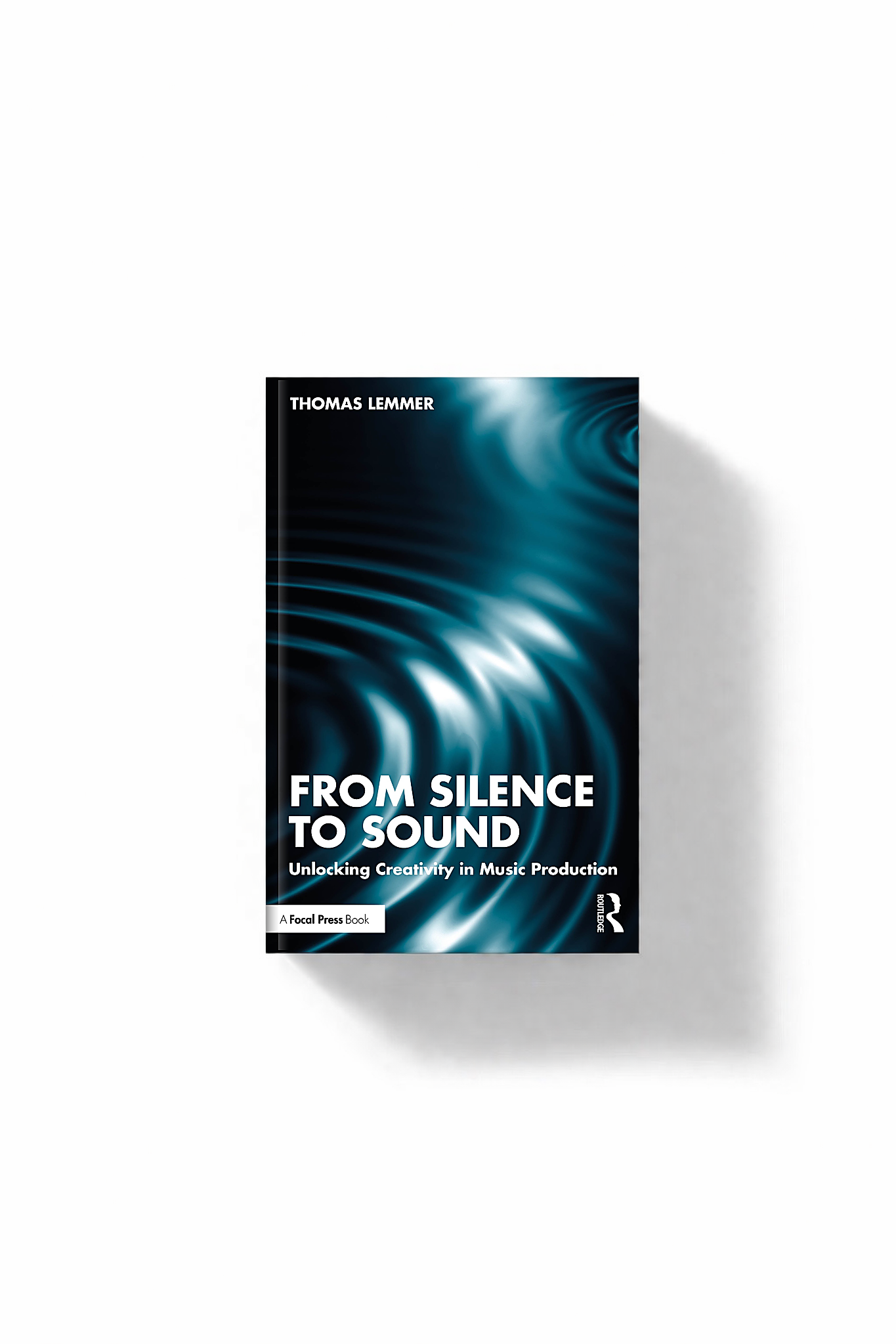
Take These Ideas Further in
From Silence to Sound
Many of the themes in this article — artistic identity, creative clarity, discipline, emotion, and finding your own voice — are explored in much greater depth in my book From Silence to Sound: Unlocking Creativity in Music Production.
Final Thoughts
If I had to reduce all ten interviews to one shared message, it would be this: creativity in music production is not about becoming more impressive. It is about becoming more truthful.
Truthful in your sound choices. Truthful in your process. Truthful in your influences. Truthful in what you leave in, and what you leave out.
The artists I spoke with work in different genres and follow different paths, yet they all reflect something essential about making meaningful music: clarity, individuality, and emotional honesty matter.
For me, that is one of the most rewarding things about these conversations. They do not just reveal how other artists work. They also remind me, again and again, what really matters in my own creative life.
And maybe that is one of the most valuable roles an interview can play. Not just to inform, but to help us hear ourselves more clearly.