Tag: production

  • C37 Interview: C37 on Into Thin Air, Diary-Like Storytelling, and Emotional Honesty

    C37 Interview: C37 on Into Thin Air, Diary-Like Storytelling, and Emotional Honesty

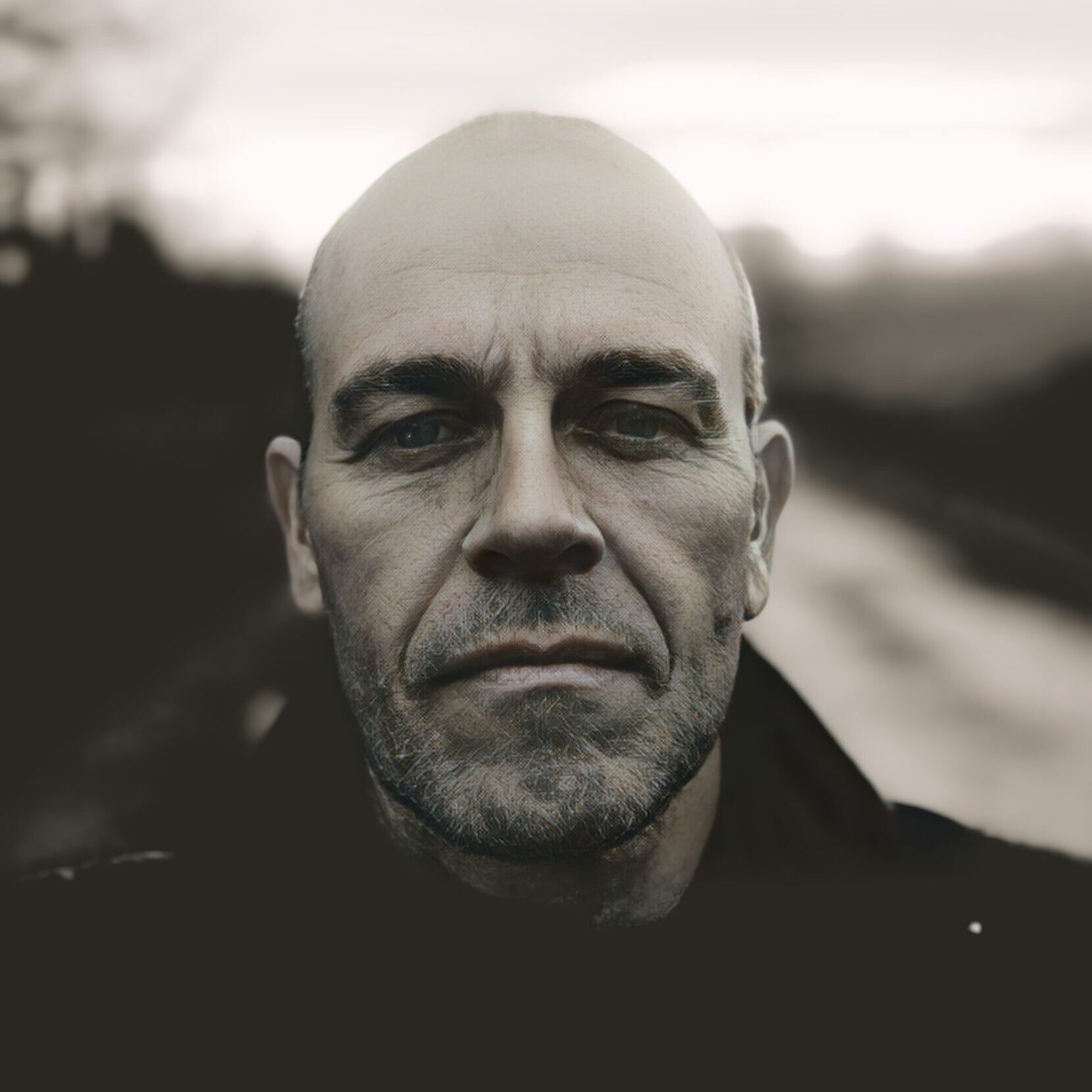
    C37 (Paul Cudby) turns diary-like memories into emotional downbeat—felt piano, guitar, and delicate electronics shaped by the Lake District—and Into Thin Air captures the beauty and ache of people who touch our lives and then disappear.

    C37
    C37

    The Interview

    Introduction

    Q: For those who don’t know you yet: how would you describe yourself as an artist today—and what does the name C37 represent for you?

    C37: There’s an old stone bridge near my hometown called Cuckoo Arch. I once had a band named after it, before I moved further into the Lake District. The band included my childhood friend and my younger brother, and it was a deeply personal experience. I kept all the recordings but never released them. I still draw on those times and sounds when I make music as C37. The “C” comes from Cuckoo, and “37” was my parents’ house number—where all the recording took place. Maybe one day I’ll release those recordings.

    Q: Your journey includes heavy rock in the 1990s (including touring and a record deal), later shifting toward more textured influences—and eventually electronic music as your main storytelling medium. What were the key turning points that brought you from that world to the C37 sound?

    C37: We’d play thrash metal by day and Pink Floyd by night. We were exposed to all kinds of music. Being close to Manchester obviously meant The Smiths, The Stone Roses, Joy Division, and a thriving rave scene—then bands like Happy Mondays started blending the two worlds. But the real turning point was when I moved out of my marital home. A young person I worked with (in care) played me a track they loved: “Aurol Therapy” by fwrd/slash. That was the moment I realised electronic music could have a real emotional impact. I’m very thankful for that moment.

    Latest Work

    Q: Please introduce Into Thin Air in your own words. What kind of album is it for you—and how would you like listeners to approach it?

    C37: Into Thin Air reflects a twelve-month period of intensely mixed feelings. Each song is directly linked to a moment or feeling from that time. I was going to call it “Foxglove” after the beautiful flower here—which is poisonous. Beauty can hide a great deal of hurt. Listening to it now takes me back to each moment, but not as intensely as during the creation of the tracks. If anyone connects with any of those moments—the sadness or the more hopeful parts—then I’ve done what I set out to do.

    Q: This is your second album, following Beautiful Beginnings. In what ways does Into Thin Air deepen or expand what you started with your debut?

    C37: Into Thin Air was definitely a big step in evolving the sound and style I want C37 to be. Beautiful Beginnings was more raw—made during a time when my personal life felt overwhelming.

    Q: You said this album tries to capture how people enter our lives, impact us emotionally, and then vanish “into thin air.” What moments or emotions were you trying to hold onto most while writing these tracks—love, loss, hope, something else?

    C37: Mainly loss, dotted with moments of hope. C37 was born out of the ashes of a 20-year marriage and raising four children, ending in divorce. However, C37 doesn’t document that time directly; it captures the attempt to rebuild your life, navigate new relationships, and find a sense of peace.

    Creative Approach

    C37
    C37

    Q: The album opens with “Head Space,” weaving in sounds from real life and nature—almost like painting with sound—before the felt piano and guitar pull us into your inner world. Why did you choose that as the opening door into the album?

    C37: I still love the music and atmosphere of this track, and I’m proud I was able to capture that particular week in sound. The field recording underneath it was given to me by the person the track is for. It simply felt like the right way to set the tone for what follows across the album.

    Q: Your music blends emotive piano progressions, layered guitars, ethereal samples, and a hypnotic pulse. When you’re building a track, what usually comes first for you—the chords, a texture, a beat, a melody, or a feeling?

    C37: Nine times out of ten, it’s the feeling that pushes me to start exploring chord progressions. If the chords don’t match the feeling—or I can’t quite achieve it—or, more importantly, it starts to require too much thinking, I stop. When it’s spontaneous—driven by emotion, and it just happens—I know it’s right for C37.

    Personal & Creativity

    Q: You’ve described early C37 releases as almost like diary entries set to music. Does that still feel true on Into Thin Air—and how do you decide what stays private versus what becomes a song?

    C37: Yes—this is still the whole purpose of C37. It’s my diary. So when an album is compiled, you’re getting a dozen “pages” torn out and given away. Of course, some things stay private, but I remain grateful to the person who inspired most of it—even if that time brought huge spikes of sadness and joy for both of us. Without that period, I would never have come to rely on music again. Silver linings.

    Q: The Lake District seems deeply connected to your work—you even visit specific beauty spots to spark ideas. Can you describe how a place becomes a sound in your mind? (Is it harmony, rhythm, ambience, tempo, silence?)

    C37: I live a few minutes from a staggeringly beautiful estuary, with the South Lakeland fells as its backdrop. This place features in nearly all the social media clips I post. There are lots of memories attached to the area, so blending those thoughts with the ambience of the place at sunset is inspirational. Translating that into sound is generally achieved by softening high frequencies and using underlying white noise—or something similar.

    Q: When self-doubt or creative silence shows up, what helps you move through it—especially when you’re working with such emotional themes?

    C37: I create such a large amount of music that I usually have an idea to expand on. However, if a project doesn’t capture the moment I intended, I quickly let it go. If that situation goes on for days, I have a habit of putting myself—mentally—back into historical moments of sadness. I’m aware that isn’t great for overall well-being.

    Inspiration & Listening

    Q: Your influences range widely—from bands like Pink Floyd, The Smiths, and The Stone Roses to electronic impressions from rave culture, and even modern electronica. Which influences feel most present in your current writing—and how do they show up in the details?

    C37: I don’t tend to listen to a great deal of electronic music, but I do have a few favourites I return to. Recently, “After the Rain” by Klur has been my most-played track. I still enjoy earlier Motorpsycho albums and find a lot of inspiration in their work. I’ve always gravitated toward the moodier stuff—so when I listen to Pink Floyd, I’m drawn to the darker moments from The Wall, or anything Roger Waters led.

    Q: If you could recommend one piece of music—any genre—that everyone should listen to at least once, what would it be (and why that one)?

    C37: “Hope in Balance” (Jody Wisternoff and James Grant Remix). It’s an incredible example of electronic music that feels organic and genuinely from the heart.

    Creative Philosophy & Vision

    C37
    C37

    Q: You describe the C37 sound as “written from the heart and never forced.” In practice, how do you know when something is honest—and when you’re trying too hard?

    C37: I never push creativity. If I feel like I’m having to try, I tend to stop. Once an honest feeling is captured, I finish the project.

    Q: If there were no limits—no budget, deadlines, or technical restrictions—what would your dream project be right now?

    C37: It’s been a long time since I played on stages. It would be amazing to see C37 paired with misty Lake District images. Dream-wise, I’d have friends from my earlier bands play C37 live. It may just stay a dream, though.

    From Silence to Sound – Creative Identity

    Q: I often explore how personal decisions shape a musician’s signature sound. Which choices most define your sound—your piano tone, guitar layering, the way you treat ambience, your relationship to rhythm, or the emotional themes you write about?

    C37: It’s the emotional themes that drive the sounds. I can spend a long time searching for—or creating—the right sound to match the theme. The guitar usually comes at the very end of my process, where I’ll just jam over the track to see if anything happens.

    Q: The singles “Last Day of August,” “Are You Home,” and “Close To Losing Everything” previewed the album. What do these titles reveal about the emotional landscape you’re exploring—and why were these the right tracks to introduce the record?

    C37: I suppose they were the liveliest tracks on the album, so they don’t tell the full story. But they do give a good representation of the overall feel and sound.

    Closing

    Q: Finally: what’s next for you after Into Thin Air—do you feel pulled toward going even deeper into emotional downbeat, bringing in more acoustic elements, exploring vocals/lyrics more, or opening a completely new chapter?

    C37: My new album, “The Reality Is…”, continues the search for the definitive C37 sound. There’s less guitar and more soft piano tone on it. It follows a similar pattern, structure, and emotional theme as Into Thin Air.

  • Andreas Bach Interview: Andreas Bach on Guitar as a Voice, Creative Contrast, and Keeping Music Human

    Andreas Bach Interview: Andreas Bach on Guitar as a Voice, Creative Contrast, and Keeping Music Human

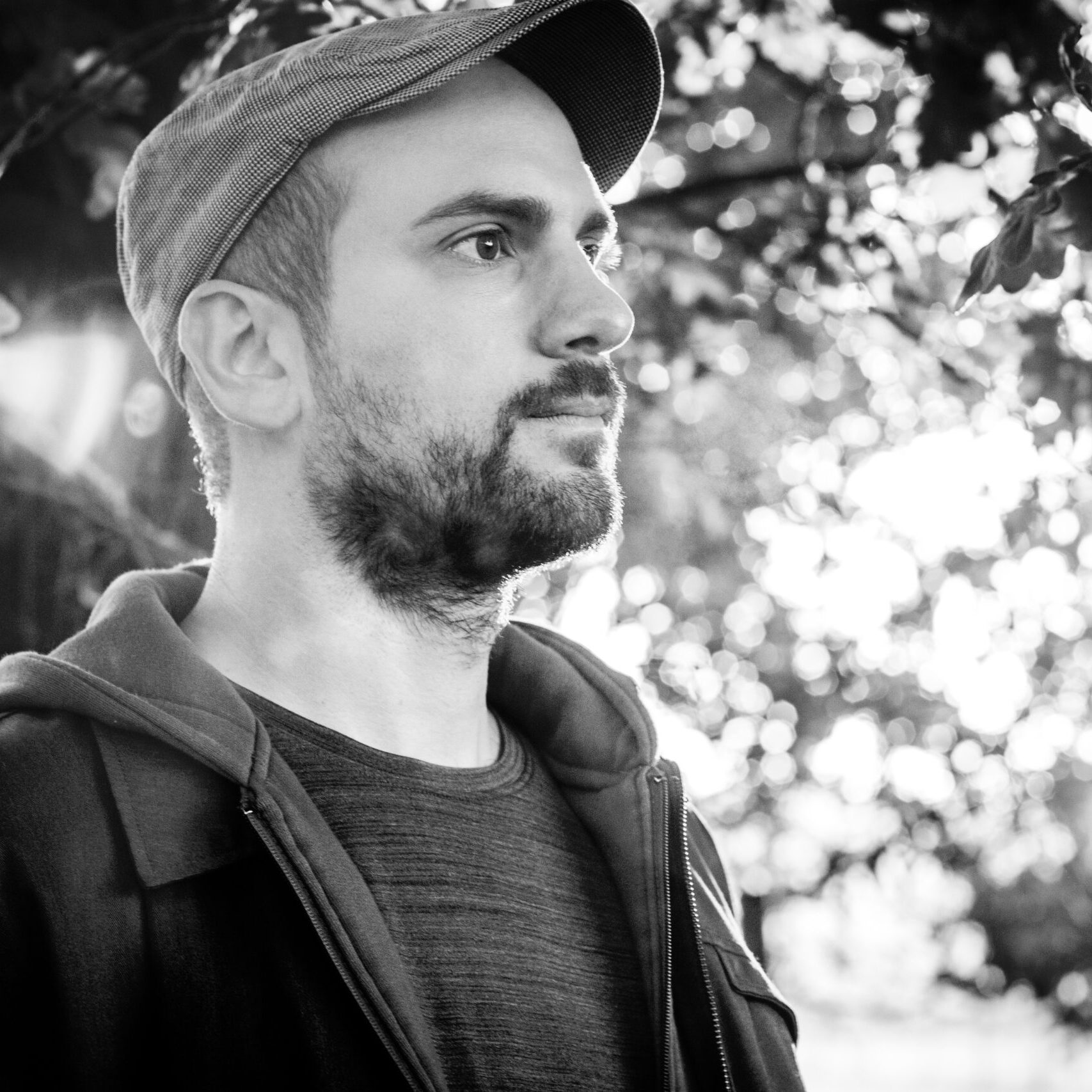
    Andreas Bach is a versatile guitarist, producer, and guitar teacher from Osnabrück, Germany, known for warm tones and calming melodies shaped by years on stage and in the studio. Rooted in guitar-driven rock yet inspired by atmospheric worlds in the spirit of Sigur Rós, Esbjörn Svensson, and Pink Floyd, he blends crafted guitar sound with subtle electronics into intimate, cinematic ambient/downtempo pieces. He’s also the author of Beginner’s Guitar (SCHOTT Music), bringing the same clarity and musical sensitivity to his teaching and writing.

    Andreas Bach
    Andreas Bach

    The Interview

    Introduction

    Q: For those who don’t know you yet: how would you describe yourself as an artist today—especially the role of the guitar as your “voice”?

    Andreas: It’s always difficult to talk about yourself. A brief summary would be: I’m a musician, and my main instrument is the guitar—I’ve been playing it for 30 years. It’s naturally my primary voice, but I also like to try anything I can get my hands on. I love many different genres and tend to take something I enjoy from each of them and weave it into my own music.

    Q: You’re active in very different worlds: ambient/downtempo production on one side, and high-energy live bands on the other. What does each world give you—and what do you take from one into the other?

    Andreas: I have a lot of different sides, and I enjoy contrasts. I love spending hours in the studio crafting calm, atmospheric music—but I also enjoy playing super-heavy rock. One side brings stillness and feels almost like meditation; the other is all about volume, power, and energy.

    Latest Work

    Q: You’ve released solo material and collaborations, and you’ve also worked closely with Thomas Lemmer. How does your mindset change when you create alone versus when you create as a duo?

    Andreas: When collaborating, I always try to get into a flow and bounce ideas back and forth. One person has a small idea, which sparks a new one in me. Each of us can bring something the other can’t—and it goes back and forth. I call it “ping-pong creativity.”

    When I work alone, I don’t need that in the same way. I usually have a very clear idea in my head, and I don’t want anyone to interrupt the process—because I already feel it’s right for me, and I know it will turn out well in the end.

    Creative Approach

    Q: When a new track starts: what usually comes first for you—tone and texture, a chord progression, a melodic hook, a groove, or a specific emotion?

    Andreas: Everything and nothing. I don’t have a fixed system. I can be inspired very quickly by the smallest things: a sound, a beat, a new chord, or even just a specific tempo. Once my brain is fired up, it doesn’t stop so quickly.

    Q: Your guitar sound feels carefully shaped. How do you approach tone-building: fingers vs. pick, dynamics, pedals/amps, layering, and the decision of when a part should stay raw versus processed?

    Andreas: I really like thick and warm guitar sounds—players like David Gilmour and Jimi Hendrix are my heroes. But of course, the tone has to fit the arrangement. So I always try to shape the sound to suit the song. That’s the main goal.

    Andreas Bach
    Andreas Bach

    Personal & Creativity

    Q: You studied guitar and also teach and write about the instrument. How has formal learning—and later teaching—changed your creativity?

    Andreas: I love diving deeply into these topics. I’m always discovering new things that interest me and that I want to learn. Even when I’m teaching a student something, I want to know exactly what I’m talking about so I can explain it well—so you’re constantly working on yourself. Many students also inspire me to explore new ideas. For me, being open-minded definitely fuels creativity.

    Q: On stage, you’re playing music that people instantly recognize; in ambient/downtempo, you’re shaping a mood that is more personal and abstract. What does “authenticity” mean to you across these two extremes?

    Andreas: Yes, true—I play in very different genres. For many people, those seem to contradict each other. Not for me. I just love the variety, and in the end it’s all music. There are only two cases: either I like it or I don’t. The main goal is always to move people with music.

    Andreas Bach
    Andreas Bach

    Q: When self-doubt or creative silence shows up: what helps you move through it? Do you reach for the guitar, the studio, a walk, a routine—what actually works?

    Andreas: Listening to new music. Picking up a new instrument. Collaborating with other people. Or doing something completely unrelated to music for a few days. It always comes back.

    Inspiration & Listening

    Q: What inspires you most right now—other musicians, films, games, places, books, daily life? And how does that inspiration translate into sound?

    Andreas: For me it’s almost always the same: listening to new music and really immersing myself in it—and making music with cool, creative people.

    Q: If you could recommend one piece of music—any genre—that everyone should listen to at least once, what would it be (and why that one)?

    Andreas: It changes all the time for me. But at the moment, I’m really into Ólafur Arnalds (an Icelandic composer somewhere between neoclassical and ambient). Give “Þú ert jörðin” a listen—what a beautiful little composition. Minimalistic, soulful, and deeply touching.

    Creative Philosophy & Vision

    Q: In ambient/downtempo, the line between “beautiful” and “boring” can be thin. How do you keep your music emotionally alive—without overfilling it?

    Andreas: Finding good melodies. Finding nice and interesting sounds. Not overproducing, but still paying attention to cool little details. Avoiding too much copy & paste. Finding an original style that hasn’t been heard a thousand times before. Keeping the music human and natural.

    Q: If there were no limits—no budget, deadlines, or technical restrictions—what would your dream project be right now?

    Andreas: For example: locking myself away with Ólafur Arnalds somewhere in Iceland and composing an album together. Experiencing magnificent nature and getting inspired.

    From Silence to Sound – Creative Identity

    Q: Looking back, what were the biggest turning points that changed how you make music?

    Andreas: Learning how to record myself—and learning how to produce.

    Closing

    Q: When someone listens to your ambient/downtempo music, what do you hope it gives them—calm, focus, comfort, energy, a sense of story, something else?

    Andreas: It should always touch the listener in some way—so they stay tuned in and want to hear more.

    Q: If you could give one piece of advice to someone at the beginning of their creative journey—especially someone navigating doubt or a “silent phase”—what would it be?

    Andreas: If you enjoy it, just do it—do it for yourself. Finish your songs. It gets a little better each time. Don’t compare yourself to others. Everything else will gradually fall into place on its own.

    Andreas Bach
    Andreas Bach

    Q: Finally: what’s next for you?

    Andreas: I’m already working on new songs of my own, and new collaborations are planned again.