Tag: minimalism

  • C37 Interview: C37 on Into Thin Air, Diary-Like Storytelling, and Emotional Honesty

    C37 Interview: C37 on Into Thin Air, Diary-Like Storytelling, and Emotional Honesty

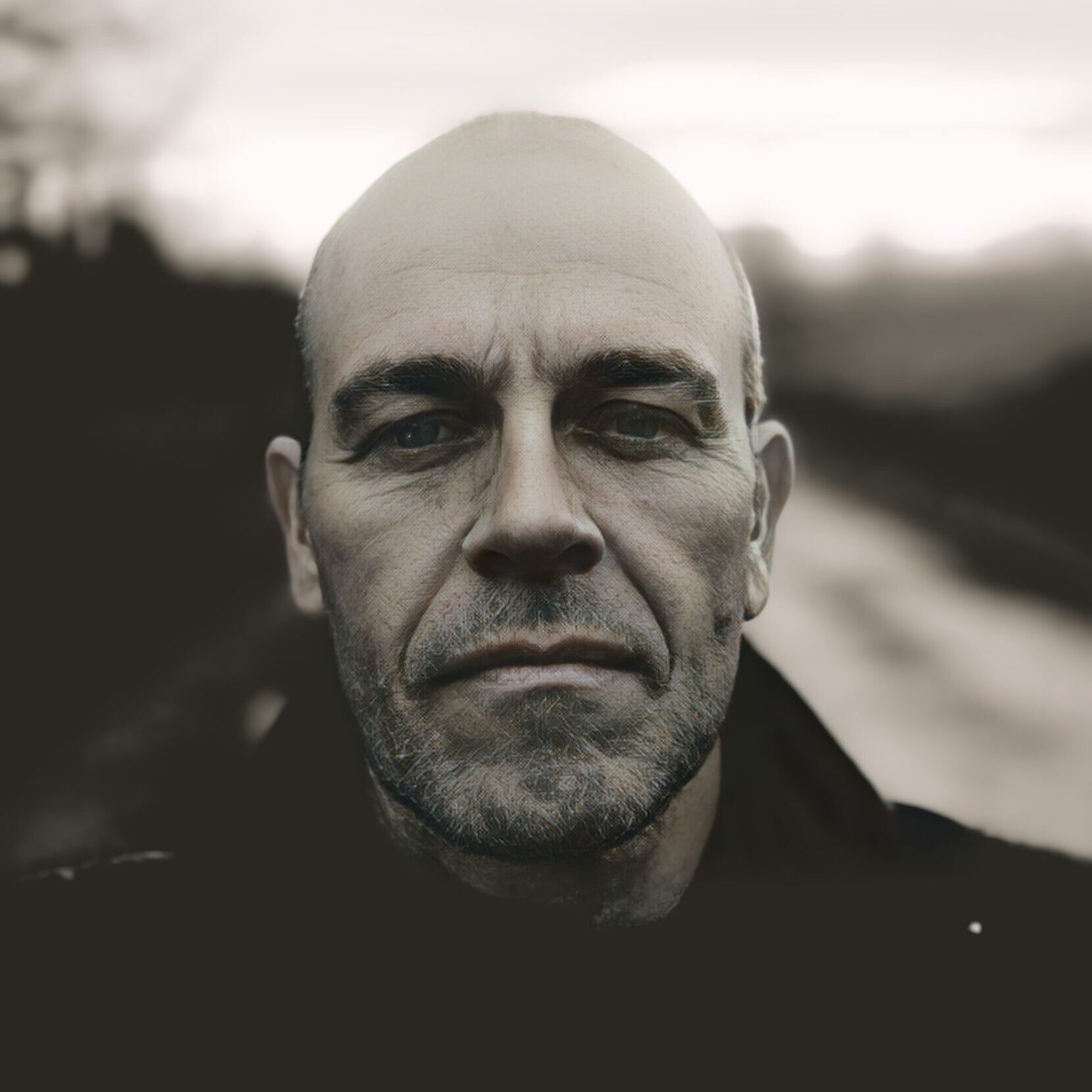
    C37 (Paul Cudby) turns diary-like memories into emotional downbeat—felt piano, guitar, and delicate electronics shaped by the Lake District—and Into Thin Air captures the beauty and ache of people who touch our lives and then disappear.

    C37
    C37

    The Interview

    Introduction

    Q: For those who don’t know you yet: how would you describe yourself as an artist today—and what does the name C37 represent for you?

    C37: There’s an old stone bridge near my hometown called Cuckoo Arch. I once had a band named after it, before I moved further into the Lake District. The band included my childhood friend and my younger brother, and it was a deeply personal experience. I kept all the recordings but never released them. I still draw on those times and sounds when I make music as C37. The “C” comes from Cuckoo, and “37” was my parents’ house number—where all the recording took place. Maybe one day I’ll release those recordings.

    Q: Your journey includes heavy rock in the 1990s (including touring and a record deal), later shifting toward more textured influences—and eventually electronic music as your main storytelling medium. What were the key turning points that brought you from that world to the C37 sound?

    C37: We’d play thrash metal by day and Pink Floyd by night. We were exposed to all kinds of music. Being close to Manchester obviously meant The Smiths, The Stone Roses, Joy Division, and a thriving rave scene—then bands like Happy Mondays started blending the two worlds. But the real turning point was when I moved out of my marital home. A young person I worked with (in care) played me a track they loved: “Aurol Therapy” by fwrd/slash. That was the moment I realised electronic music could have a real emotional impact. I’m very thankful for that moment.

    Latest Work

    Q: Please introduce Into Thin Air in your own words. What kind of album is it for you—and how would you like listeners to approach it?

    C37: Into Thin Air reflects a twelve-month period of intensely mixed feelings. Each song is directly linked to a moment or feeling from that time. I was going to call it “Foxglove” after the beautiful flower here—which is poisonous. Beauty can hide a great deal of hurt. Listening to it now takes me back to each moment, but not as intensely as during the creation of the tracks. If anyone connects with any of those moments—the sadness or the more hopeful parts—then I’ve done what I set out to do.

    Q: This is your second album, following Beautiful Beginnings. In what ways does Into Thin Air deepen or expand what you started with your debut?

    C37: Into Thin Air was definitely a big step in evolving the sound and style I want C37 to be. Beautiful Beginnings was more raw—made during a time when my personal life felt overwhelming.

    Q: You said this album tries to capture how people enter our lives, impact us emotionally, and then vanish “into thin air.” What moments or emotions were you trying to hold onto most while writing these tracks—love, loss, hope, something else?

    C37: Mainly loss, dotted with moments of hope. C37 was born out of the ashes of a 20-year marriage and raising four children, ending in divorce. However, C37 doesn’t document that time directly; it captures the attempt to rebuild your life, navigate new relationships, and find a sense of peace.

    Creative Approach

    C37
    C37

    Q: The album opens with “Head Space,” weaving in sounds from real life and nature—almost like painting with sound—before the felt piano and guitar pull us into your inner world. Why did you choose that as the opening door into the album?

    C37: I still love the music and atmosphere of this track, and I’m proud I was able to capture that particular week in sound. The field recording underneath it was given to me by the person the track is for. It simply felt like the right way to set the tone for what follows across the album.

    Q: Your music blends emotive piano progressions, layered guitars, ethereal samples, and a hypnotic pulse. When you’re building a track, what usually comes first for you—the chords, a texture, a beat, a melody, or a feeling?

    C37: Nine times out of ten, it’s the feeling that pushes me to start exploring chord progressions. If the chords don’t match the feeling—or I can’t quite achieve it—or, more importantly, it starts to require too much thinking, I stop. When it’s spontaneous—driven by emotion, and it just happens—I know it’s right for C37.

    Personal & Creativity

    Q: You’ve described early C37 releases as almost like diary entries set to music. Does that still feel true on Into Thin Air—and how do you decide what stays private versus what becomes a song?

    C37: Yes—this is still the whole purpose of C37. It’s my diary. So when an album is compiled, you’re getting a dozen “pages” torn out and given away. Of course, some things stay private, but I remain grateful to the person who inspired most of it—even if that time brought huge spikes of sadness and joy for both of us. Without that period, I would never have come to rely on music again. Silver linings.

    Q: The Lake District seems deeply connected to your work—you even visit specific beauty spots to spark ideas. Can you describe how a place becomes a sound in your mind? (Is it harmony, rhythm, ambience, tempo, silence?)

    C37: I live a few minutes from a staggeringly beautiful estuary, with the South Lakeland fells as its backdrop. This place features in nearly all the social media clips I post. There are lots of memories attached to the area, so blending those thoughts with the ambience of the place at sunset is inspirational. Translating that into sound is generally achieved by softening high frequencies and using underlying white noise—or something similar.

    Q: When self-doubt or creative silence shows up, what helps you move through it—especially when you’re working with such emotional themes?

    C37: I create such a large amount of music that I usually have an idea to expand on. However, if a project doesn’t capture the moment I intended, I quickly let it go. If that situation goes on for days, I have a habit of putting myself—mentally—back into historical moments of sadness. I’m aware that isn’t great for overall well-being.

    Inspiration & Listening

    Q: Your influences range widely—from bands like Pink Floyd, The Smiths, and The Stone Roses to electronic impressions from rave culture, and even modern electronica. Which influences feel most present in your current writing—and how do they show up in the details?

    C37: I don’t tend to listen to a great deal of electronic music, but I do have a few favourites I return to. Recently, “After the Rain” by Klur has been my most-played track. I still enjoy earlier Motorpsycho albums and find a lot of inspiration in their work. I’ve always gravitated toward the moodier stuff—so when I listen to Pink Floyd, I’m drawn to the darker moments from The Wall, or anything Roger Waters led.

    Q: If you could recommend one piece of music—any genre—that everyone should listen to at least once, what would it be (and why that one)?

    C37: “Hope in Balance” (Jody Wisternoff and James Grant Remix). It’s an incredible example of electronic music that feels organic and genuinely from the heart.

    Creative Philosophy & Vision

    C37
    C37

    Q: You describe the C37 sound as “written from the heart and never forced.” In practice, how do you know when something is honest—and when you’re trying too hard?

    C37: I never push creativity. If I feel like I’m having to try, I tend to stop. Once an honest feeling is captured, I finish the project.

    Q: If there were no limits—no budget, deadlines, or technical restrictions—what would your dream project be right now?

    C37: It’s been a long time since I played on stages. It would be amazing to see C37 paired with misty Lake District images. Dream-wise, I’d have friends from my earlier bands play C37 live. It may just stay a dream, though.

    From Silence to Sound – Creative Identity

    Q: I often explore how personal decisions shape a musician’s signature sound. Which choices most define your sound—your piano tone, guitar layering, the way you treat ambience, your relationship to rhythm, or the emotional themes you write about?

    C37: It’s the emotional themes that drive the sounds. I can spend a long time searching for—or creating—the right sound to match the theme. The guitar usually comes at the very end of my process, where I’ll just jam over the track to see if anything happens.

    Q: The singles “Last Day of August,” “Are You Home,” and “Close To Losing Everything” previewed the album. What do these titles reveal about the emotional landscape you’re exploring—and why were these the right tracks to introduce the record?

    C37: I suppose they were the liveliest tracks on the album, so they don’t tell the full story. But they do give a good representation of the overall feel and sound.

    Closing

    Q: Finally: what’s next for you after Into Thin Air—do you feel pulled toward going even deeper into emotional downbeat, bringing in more acoustic elements, exploring vocals/lyrics more, or opening a completely new chapter?

    C37: My new album, “The Reality Is…”, continues the search for the definitive C37 sound. There’s less guitar and more soft piano tone on it. It follows a similar pattern, structure, and emotional theme as Into Thin Air.

  • Andreas Bach Interview: Andreas Bach on Guitar as a Voice, Creative Contrast, and Keeping Music Human

    Andreas Bach Interview: Andreas Bach on Guitar as a Voice, Creative Contrast, and Keeping Music Human

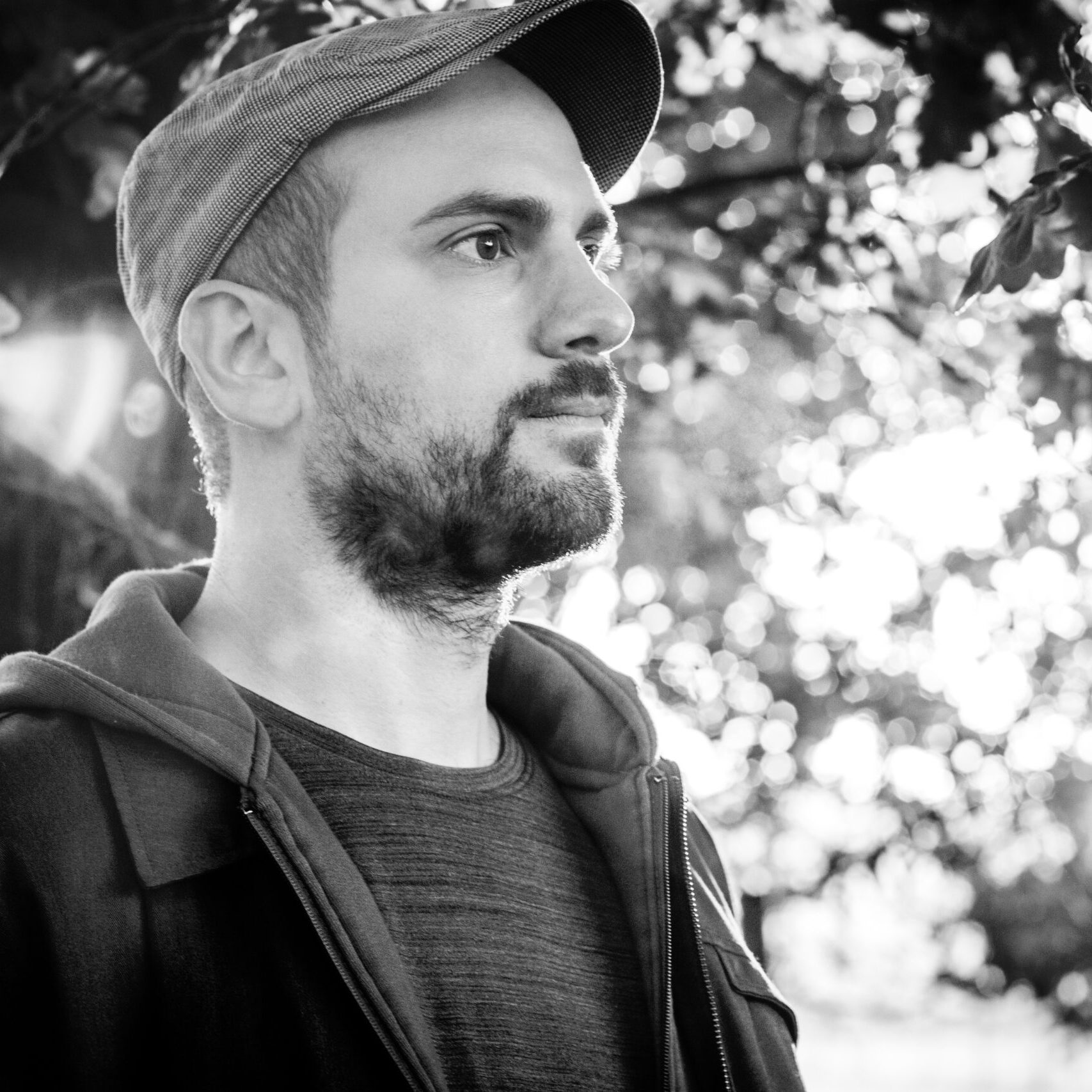
    Andreas Bach is a versatile guitarist, producer, and guitar teacher from Osnabrück, Germany, known for warm tones and calming melodies shaped by years on stage and in the studio. Rooted in guitar-driven rock yet inspired by atmospheric worlds in the spirit of Sigur Rós, Esbjörn Svensson, and Pink Floyd, he blends crafted guitar sound with subtle electronics into intimate, cinematic ambient/downtempo pieces. He’s also the author of Beginner’s Guitar (SCHOTT Music), bringing the same clarity and musical sensitivity to his teaching and writing.

    Andreas Bach
    Andreas Bach

    The Interview

    Introduction

    Q: For those who don’t know you yet: how would you describe yourself as an artist today—especially the role of the guitar as your “voice”?

    Andreas: It’s always difficult to talk about yourself. A brief summary would be: I’m a musician, and my main instrument is the guitar—I’ve been playing it for 30 years. It’s naturally my primary voice, but I also like to try anything I can get my hands on. I love many different genres and tend to take something I enjoy from each of them and weave it into my own music.

    Q: You’re active in very different worlds: ambient/downtempo production on one side, and high-energy live bands on the other. What does each world give you—and what do you take from one into the other?

    Andreas: I have a lot of different sides, and I enjoy contrasts. I love spending hours in the studio crafting calm, atmospheric music—but I also enjoy playing super-heavy rock. One side brings stillness and feels almost like meditation; the other is all about volume, power, and energy.

    Latest Work

    Q: You’ve released solo material and collaborations, and you’ve also worked closely with Thomas Lemmer. How does your mindset change when you create alone versus when you create as a duo?

    Andreas: When collaborating, I always try to get into a flow and bounce ideas back and forth. One person has a small idea, which sparks a new one in me. Each of us can bring something the other can’t—and it goes back and forth. I call it “ping-pong creativity.”

    When I work alone, I don’t need that in the same way. I usually have a very clear idea in my head, and I don’t want anyone to interrupt the process—because I already feel it’s right for me, and I know it will turn out well in the end.

    Creative Approach

    Q: When a new track starts: what usually comes first for you—tone and texture, a chord progression, a melodic hook, a groove, or a specific emotion?

    Andreas: Everything and nothing. I don’t have a fixed system. I can be inspired very quickly by the smallest things: a sound, a beat, a new chord, or even just a specific tempo. Once my brain is fired up, it doesn’t stop so quickly.

    Q: Your guitar sound feels carefully shaped. How do you approach tone-building: fingers vs. pick, dynamics, pedals/amps, layering, and the decision of when a part should stay raw versus processed?

    Andreas: I really like thick and warm guitar sounds—players like David Gilmour and Jimi Hendrix are my heroes. But of course, the tone has to fit the arrangement. So I always try to shape the sound to suit the song. That’s the main goal.

    Andreas Bach
    Andreas Bach

    Personal & Creativity

    Q: You studied guitar and also teach and write about the instrument. How has formal learning—and later teaching—changed your creativity?

    Andreas: I love diving deeply into these topics. I’m always discovering new things that interest me and that I want to learn. Even when I’m teaching a student something, I want to know exactly what I’m talking about so I can explain it well—so you’re constantly working on yourself. Many students also inspire me to explore new ideas. For me, being open-minded definitely fuels creativity.

    Q: On stage, you’re playing music that people instantly recognize; in ambient/downtempo, you’re shaping a mood that is more personal and abstract. What does “authenticity” mean to you across these two extremes?

    Andreas: Yes, true—I play in very different genres. For many people, those seem to contradict each other. Not for me. I just love the variety, and in the end it’s all music. There are only two cases: either I like it or I don’t. The main goal is always to move people with music.

    Andreas Bach
    Andreas Bach

    Q: When self-doubt or creative silence shows up: what helps you move through it? Do you reach for the guitar, the studio, a walk, a routine—what actually works?

    Andreas: Listening to new music. Picking up a new instrument. Collaborating with other people. Or doing something completely unrelated to music for a few days. It always comes back.

    Inspiration & Listening

    Q: What inspires you most right now—other musicians, films, games, places, books, daily life? And how does that inspiration translate into sound?

    Andreas: For me it’s almost always the same: listening to new music and really immersing myself in it—and making music with cool, creative people.

    Q: If you could recommend one piece of music—any genre—that everyone should listen to at least once, what would it be (and why that one)?

    Andreas: It changes all the time for me. But at the moment, I’m really into Ólafur Arnalds (an Icelandic composer somewhere between neoclassical and ambient). Give “Þú ert jörðin” a listen—what a beautiful little composition. Minimalistic, soulful, and deeply touching.

    Creative Philosophy & Vision

    Q: In ambient/downtempo, the line between “beautiful” and “boring” can be thin. How do you keep your music emotionally alive—without overfilling it?

    Andreas: Finding good melodies. Finding nice and interesting sounds. Not overproducing, but still paying attention to cool little details. Avoiding too much copy & paste. Finding an original style that hasn’t been heard a thousand times before. Keeping the music human and natural.

    Q: If there were no limits—no budget, deadlines, or technical restrictions—what would your dream project be right now?

    Andreas: For example: locking myself away with Ólafur Arnalds somewhere in Iceland and composing an album together. Experiencing magnificent nature and getting inspired.

    From Silence to Sound – Creative Identity

    Q: Looking back, what were the biggest turning points that changed how you make music?

    Andreas: Learning how to record myself—and learning how to produce.

    Closing

    Q: When someone listens to your ambient/downtempo music, what do you hope it gives them—calm, focus, comfort, energy, a sense of story, something else?

    Andreas: It should always touch the listener in some way—so they stay tuned in and want to hear more.

    Q: If you could give one piece of advice to someone at the beginning of their creative journey—especially someone navigating doubt or a “silent phase”—what would it be?

    Andreas: If you enjoy it, just do it—do it for yourself. Finish your songs. It gets a little better each time. Don’t compare yourself to others. Everything else will gradually fall into place on its own.

    Andreas Bach
    Andreas Bach

    Q: Finally: what’s next for you?

    Andreas: I’m already working on new songs of my own, and new collaborations are planned again.

  • Tauon Interview: Tauon on Atmosphere, Restraint, and the Power of Space

    Tauon Interview: Tauon on Atmosphere, Restraint, and the Power of Space

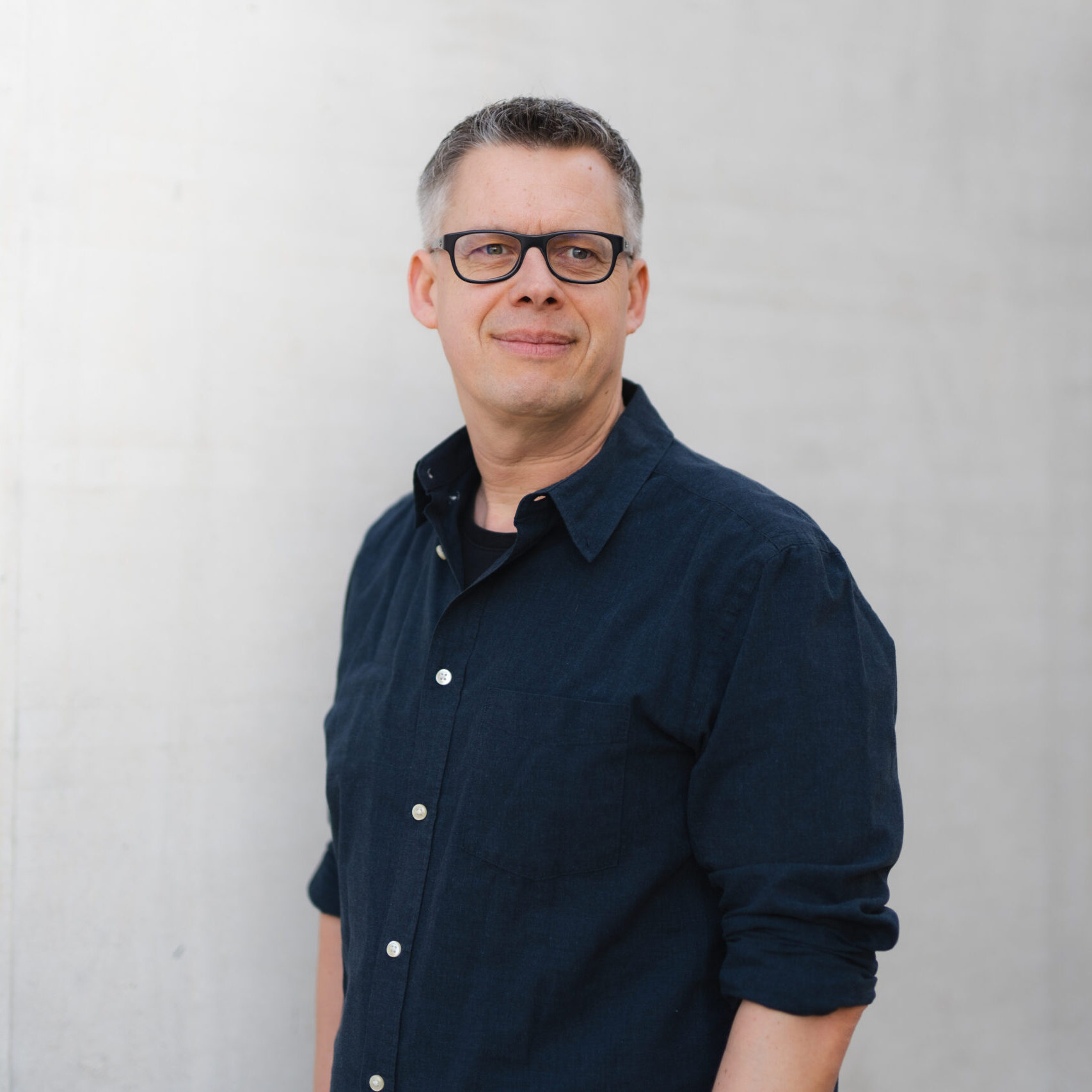
    Tauon blends melodic house energy with ambient air—music that moves between club pulse and inner calm, shaped by decades of electronic experience and a clear sense of emotion.

    Tauon
    Tauon

    The Interview

    Introduction

    Q: For those who don’t know you yet: how would you describe yourself as an artist in a few sentences—and what does the name TAUON stand for in your musical world?

    Tauon: I’m Tauon (Olaf Gretzmacher), a producer, DJ, and live act with more than 20 years of experience in electronic music. My roots are in ambient, chillout, downbeat, trance, new age, and soundtrack music, and I first gained international attention with my trance-downtempo project GMO.

    The name Tauon comes from physics: the tau lepton is the heaviest of the charged elementary particles in the Standard Model. I chose the name because to me it sounds powerful, timeless, and curiosity‑sparking—just like the music I want to create.

    Tauon is the most personal project of my long musical journey. It brings together all my experiences, memories, and influences into honest electronic and orchestral music—music that invites you to switch off, dream, reflect, and dance. I don’t really fit into pre-made boxes, and that’s exactly why I value working with Sine Music Records, where I’m free to be exactly who I am musically.

    Q: You’ve been active for a long time as producer, DJ, and live act, moving through genres like ambient, chillout, downtempo, and different shades of house and techno. Looking back: what was your journey into music like—was there a defining moment when you knew you wanted to build your own sound world?

    Tauon: For me, there was never that one moment where I decided, “Now I’m going to be a musician.” Music was simply always there. As a kid I took piano lessons, and I was introduced to electronic music very early—especially through artists like Jean‑Michel Jarre, Kraftwerk, Vangelis, Kitaro, and many others. Those sounds opened up a completely new world for me.

    Melodies and soundscapes have always fascinated me. That feeling—when a simple sequence of notes suddenly carries an entire mood or memory—has never let go of me. Even at school, when we watched documentaries in class, I was often more interested in the music in the background than the actual content. When I discovered trance and the Goa scene in the early ’90s, I was completely hooked. Those hypnotic, emotional worlds moved me so deeply that I knew I had to make music myself.

    As a teenager, I also recorded a radio show called “Traumstunde” (“Dream Hour”) every Wednesday night. That’s how I discovered one artist after another—many of whom still inspire me today. Those hours in front of the cassette recorder were like a secret school of electronic music.

    At 16 I wrote my first pieces; in my early twenties I started producing seriously. I quickly realized it was never about fitting into one genre. What interested me much more was creating emotional spaces—music you can dive into, feel, think to, or let go with.

    Projects like GMO were important milestones for exploring energy, trance, and rhythm. As a DJ and live act I got to experience many special moments at festivals—big and small. At the same time, that calm, atmospheric, and cinematic side was always part of me. With Tauon, all of it finally came together.

    So there wasn’t one single key moment—more a long journey of sounds, emotions, and experiences until I understood: my own sound is born right between all of these worlds. That’s where I feel at home.

    Latest Work

    Q: Please introduce your latest release in your own words. What is it, and how would you like listeners to approach it—headphones, a drive, late-night listening, on the dancefloor, or as background focus?

    Tauon: “Echeyde,” my latest single, came out of a close collaboration with a good friend, Annika Jokiaho (aka Gaia de Isora), during a hike through the Cañadas del Teide on Tenerife. Inspired by the mystical atmosphere of the volcanic highlands—and by an old Guanche term for the sacred mountain, a “gateway between worlds”—the track reflects the duality of this unique landscape.

    Musically, Echeyde blends melancholy, dark synthesizers with ethereal female voices, influenced by the early, atmospheric aesthetic of Trentemøller. Carried by a meditative rhythm, the track translates the quiet, contemplative beauty of the Canary Islands’ wilderness into sound.

    Just like life is made of many emotional moments, my music reflects that same variety. It accompanies different moods—from laughter and a grin to reflection and melancholy, all the way to motivation and inner movement. Whether you’re cooking, in the car or on a train, flying above the clouds, in a club, or at a festival—there should be a space in my music for every phase and every feeling.

    I’d place Echeyde in the realm of cinematic film music. That’s also one of my big dreams: that my music finds a place in films, and that one day I’ll be composing specifically for film productions. The connection between images and sound worlds has fascinated me for a long time—it feels like a natural extension of my music.

    Q: How would you describe your current phase as TAUON (single/EP/album era) in your own words—and where does it sit in your evolution compared to earlier milestones like Somewhere or the more downtempo-leaning work?

    Tauon: Right now I’m working on a lot of new tracks, with the goal of finishing an album again. It will probably be calmer and more cinematic—although with me, it’s never fully predictable where the journey will go. When I’m producing, I always follow my gut, and sometimes it simply takes time for the muse to knock again.

    Q: There’s a clear atmosphere running through your catalog: movement, travel, city vs. nature, and that feeling of escaping everyday noise. What emotional or conceptual thread do you keep returning to while writing—especially on releases like City Life and Tisno?

    Tauon: For me, it’s hugely important to regularly break out of everyday life—whether that’s traveling, spending time by the sea, or simply being in nature. Sunsets—ideally over the ocean—are especially important to me, because they carry that moment between arriving and letting go. That’s exactly the space where new ideas can grow. Often, new tracks come almost automatically from those moments.

    “City Life” is a good example of that, and so is “Tisno.” Tisno came directly out of the annual vacations with a good friend in Croatia. We kept listening to the same compilation of emotional, brilliant deep-tech house—and at some point it was clear that tracks had to grow out of that mood.

    “City Life,” “Far Away,” and “Tisno” are essentially a tribute to those shared trips—to letting go, the conversations, the sea, and the music. That shift between routine and escape, between city and nature, is the thread that runs through my work.

    Creative Approach

    Q: When a track starts for you, what usually comes first: the groove, a chord progression, a melodic hook, a vocal idea, a texture/field atmosphere, or a specific emotion?

    Tauon: It varies a lot for me, but most of the time a track starts with textures or a groove. From that, a mood often forms intuitively and shapes everything that follows. Sometimes it happens surprisingly fast—there are times when a piece is almost finished within a few hours. “Outside” is a good example: it came out of one of those spontaneous moments where everything just clicked.

    Q: Your music often balances two worlds: minimal, clean club rhythm and cinematic, slow-moving emotion (strings, pads, wide space). How do you make that contrast feel coherent rather than “two tracks glued together”?

    Tauon: Honestly, I can’t really explain it in a technical way—it just happens. That’s exactly what TAUON is for me. When I’m producing, I don’t think in separate worlds like “club” or “cinematic.” I follow my intuition. If a groove and a pad, a beat and an emotion naturally find each other, I let that happen.

    Sometimes I start with a clear idea—like wanting to make a deep-tech house track—and in the end it turns into a quiet, cinematic piece. Or the other way around. I consciously allow those developments, because that’s where the magic lives.

    I don’t make music from a blueprint—I simply make music. And it’s out of that free, unplanned process that the contrast emerges in a way that still feels coherent to me.

    Remixing – Craft & Identity

    Q: Your remixes are genuinely strong: they feel respectful to the original, yet unmistakably yours. When you remix another artist, what’s your first step—do you listen for the emotional core, the hook, the rhythm pocket, or the harmonic language?

    Tauon: First of all, thank you for the kind words.

    Remixes are something very special to me—I love making them. For me, remixing (like making music in general) is a bit like cooking: I pick my ingredients—the individual stems from the original—and then I cook my own dish from them.

    Sometimes I use only a few elements and build something completely new; sometimes I keep more of the original and simply add my own “Tauon spice.” Either way, I always approach the source material with a lot of respect. It matters to me that you can feel my appreciation for the original track, even if the result ends up sounding very different.

    Remixes are also a wonderful creative playground for me—especially when I don’t have a clear idea for my own next track.

    Q: What’s your personal “remix philosophy”? In other words: what do you never touch, what do you almost always change, and how do you decide whether a remix should be dancefloor-driven, ambient-leaning, or something in-between?

    Tauon: My remix philosophy is actually pretty simple: first I listen very closely and feel what touches me most in the original. That core is what I try to bring forward and highlight. Everything else then grows in the process.

    I deliberately let the music lead me instead of following a fixed plan. Whether a remix ends up being for the dancefloor, for a quiet moment, or somewhere in between usually reveals itself naturally through that open, intuitive way of working.

    Q: Technically and creatively: do you prefer working from stems, rebuilding parts yourself, or sampling tiny fragments and reinventing them? Can you walk us through a recent remix process—from first listen to final bounce?

    Tauon: For me it’s a mix of all of that. I like working with stems, but I also often cut out tiny fragments and develop something new from them. That flexible way of handling the material is a big part of my creative process.

    A good example is my remix of “Confidence” by Thomas Lemmer & Oine. I fell in love with the track on first listen and immediately thought: this melody could be mine. So it was clear I absolutely wanted to remix it.

    A lot happened during the process. Around that time I was working intensively with cello sounds, and it was almost inevitable that this color would flow into the track. In the end, something came out that I’m really proud of—especially the finale. For me, this remix is a successful fusion of the original and my own Tauon ingredients.

    Personal & Creativity-Related

    Q: When you’re not making music, what fuels your creativity? (Places, travel, architecture, late-night city lights, nature, films, books, silence—what reliably feeds your imagination?)

    Tauon: As I mentioned, calm, travel, nature—and above all the sea—are extremely important to me. In those moments, far away from everyday life, I can hear and feel clearly again, and that’s often where new inspiration appears.

    But great new music can also trigger a lot in me—whether I discover it on a platform or hear it in a film or series. Sometimes a single sound or a short scene is enough to spark a new idea.

    In the end, it’s often simple: less is more. In silence—and in paying attention—creativity usually grows the most.

    Q: Do you have a routine, ritual, or habit that helps you stay inspired—or do you thrive more on spontaneity and chaos?

    Tauon: I don’t really have a fixed routine or ritual. For me, creativity works better through spontaneity and a certain amount of chaos. Often, the best ideas show up exactly when I’m not trying to force anything.

    Of course I also know a bit more discipline wouldn’t hurt sometimes—but this free, unpredictable way of working is simply part of who I am, and how I make music.

    Tauon
    Tauon

    Q: How do you deal with creative blocks, self-doubt, or periods of silence—especially when you’re juggling different roles (producer, DJ/live act, remix work, collaborations)?

    Tauon: These days I’m much more relaxed about creative blocks and quieter phases. I’ve learned to accept them for what they are. Pressure creates resistance—and in music, that rarely leads to anything good.

    In the past, a good balance for me was DJing and making people dance and grin to melodic trance at 138 BPM. After that there was space again for calmer, more introspective music. Switching between those worlds always helped me stay in flow.

    As I get older, I notice I approach a lot of things more calmly. Anything can happen, nothing has to—as long as it feels right. Out of that attitude, my most creative work is happening today.

    Inspiration & Listening

    Q: Which artists or albums have inspired you most recently, and why?

    Tauon: There are actually quite a lot. Recently, artists like Lab’s Cloud, Fejka, Malibu, Sea of Marmara, Yagya, A Winged Victory for the Sullen, Schiller, Efterklang, VisionV., Ólafur Arnalds, Nils Frahm, Sebastian Mullaert—as well as Joseph Ray’s remix of “This Version Of You” by ODESZA & Julianna Barwick—have inspired me a lot. And of course Ben Böhmer too.

    What connects all of these artists for me is their ability to combine emotion, atmosphere, and depth—often in very different ways, but always with honesty.

    I listen across a wide spectrum, and I keep two different Spotify playlists where I collect these influences (and I’m happy to share them):

    Q: If you could recommend one piece of music—any genre—that everyone should listen to at least once, what would it be?

    Tauon: That’s a mean question. 🙂

    Everyone should listen to the full album Are You Shpongled? (Remaster) by Shpongle at least once.

    Creative Philosophy & Vision

    Q: What role do experimentation and risk-taking play in your music? Where do you consciously step outside your comfort zone—sound design, arrangement, harmony, or even release strategy?

    Tauon: I wouldn’t describe myself as extremely experimental. A lot of new ideas also come from watching other musicians work and letting myself be inspired by their approaches—then trying something completely different in my own production.

    I especially step out of my comfort zone in collaborations. It’s always a challenge to truly allow other people’s approaches—their ideas, their workflow, their way of thinking about music. That used to be hard for me, but I’ve learned that this is exactly where an important creative process happens. In the end, it almost always turns out that something good comes from that openness.

    By the way, I’ve never really had a clear release strategy. Sometimes it annoys me that today a track is “supposed” to be around three minutes long to fit playlists. That doesn’t always feel right to me. Sometimes a musical journey tells its story in three minutes—often it needs more time.

    I make music from the gut for listeners—not for playlists.

    Q: If there were no limits—no budget, no deadlines, no technical restrictions—what would your dream creative project look like? (A concept album tied to places, an immersive live show, film/game scoring, a collaboration series, etc.)

    Tauon: My dream creative project would be a fusion of orchestra, electronic music, and film music—a big, cinematic universe of sound. I imagine presenting that music in special spaces: planetariums, unusual locations indoors and out in nature, and select festivals where image, space, and sound can merge.

    For me it wouldn’t just be a concert, but an immersive experience where people can fully dive into the sound world—almost like being in a film, except you’re right in the middle of it.

    A “bed concert” DJ set (with people lying down) would also be a fun idea to explore one day.

    From Silence to Sound – Creative Identity

    Q: I often explore how personal decisions shape a musician’s signature sound. Which choices do you feel most strongly define your sound—your sense of groove, your melodic language, your use of vocals, your space/mix aesthetics, or the way you balance dance energy with calm?

    Tauon: The answer is basically already in the question. For me, groove, melody, space, atmosphere, and the balance between movement and calm are all equally important.

    But what truly defines my sound is my decision to be musically free. I want to make music the way I feel it—without clinging to rigid rules, trends, or technical dogmas. That also includes things like mix or EQ “rules.” Sometimes the most exciting moments happen exactly when you consciously let those go.

    I love falling into music when a certain sense of width appears, while there’s still a foundation—whether it’s for dancing or simply listening. That freedom between structure and openness is the core of what my sound is.

    Q: Looking back, what have been the most important turning points in your creative journey—moments that changed how you make music or how you think about identity, direction, and longevity?

    Tauon: A big part of my foundation is clearly in my childhood and youth, as I described earlier. Those early musical impressions shaped my inner compass and still do today.

    Beyond that, I’ve always been grateful for every chance to discover new music, dance, and experience sound worlds. Especially when those experiences were paired with beautiful places, time by the sea, and time in nature, they had a deep effect on me.

    One of the most important turning points on my path was adopting this mindset: not thinking in limits, but letting curiosity, emotion, and movement guide you. That openness has shaped my identity as an artist—and my sense of direction and longevity—in a lasting way.

    Closing

    Q: What do you hope listeners feel or take away when they experience your music—especially those moments where your tracks act like a reset from everyday pressure?

    Tauon: I hope people think after listening to my music: “That felt good—again.”

    If my tracks can turn the volume of everyday life down for a moment, and leave behind a feeling of calm, openness, or an inner smile, then my music has achieved exactly what I hope for.

    Q: If you could give one piece of advice to someone at the beginning of their creative journey, what would it be?

    Tauon: My most important advice is: do your own thing.

    Don’t copy—let yourself be inspired (ideally in a positive way), and stay open to new influences, people, and ideas. That’s where something real and uniquely yours is born.

    Q: Finally: what’s next for you—what should we be looking forward to?

    Tauon: On the horizon—without any pressure—is a new album. I don’t even know yet when it will be finished. But that’s exactly how it should be: the music comes when it’s ready.

    Fun fact: sometimes a track is playing somewhere—in a playlist or on the radio—and I think, “Wow, this is really good… who is that?” And a few seconds later I realize: wait… that’s me.

    It’s a little reality check every time, and it reliably makes me laugh.