Tag: melody

  • MALIWA Interview: MALIWA on Guitar-Driven Lo-Fi, Jazzy Chillhop, and Creative Consistency

    MALIWA Interview: MALIWA on Guitar-Driven Lo-Fi, Jazzy Chillhop, and Creative Consistency

    MALIWA crafts chilled, jazz-infused lo-fi that feels like a small daily reset—warm chords, soft groove, and a guitar-minded sense of touch that turns simple moments into atmosphere.

    MALIWA

    The Interview

    Introduction

    Q: For those who don’t know you yet: how would you describe yourself as an artist in a few sentences—and what does the name MALIWA stand for in your musical world?

    MALIWA: MALIWA is one of my music projects, which I started in 2022. I have a lot of different musical tastes, but everything I make in the lo-fi, jazzy beats, and chillhop world flows into this project.

    Q: You’re extremely consistent and prolific—your discography is huge. Looking back: what was your journey into lo-fi, and was there a defining moment when you knew this “chilled + jazzy” direction was your lane?

    MALIWA: A few years ago, one of my guitar students wanted to learn a song by L’indécis. I loved it and fell down the rabbit hole—after the lesson, I listened through his entire discography. I was so hooked that I tried composing something in that direction myself, and the ideas kept coming. I stuck with it and went deeper and deeper into the genre.

    Latest Work

    Q: Your releases often feel like snapshots—compact, direct, and mood-first. Where do you feel your sound is right now compared to earlier MALIWA tracks, and what are you consciously refining?

    MALIWA: I hope my sound has improved over the years. I’m trying to get faster and more confident with recording and producing—and especially with capturing the mood I hear in my head. Starting MALIWA was when I really began to dive deep into production.

    Q: There’s a clear atmosphere running through your catalog—cozy, relaxed, jazzy, and emotionally “light on its feet.” What emotional or conceptual thread do you keep returning to when you write?

    MALIWA: I don’t chase a specific concept—I let inspiration lead the way. Luckily, I almost always have ideas when I sit down at my instruments. Fingers crossed it stays that way.

    Creative Approach

    Q: When a new track starts, what usually comes first for you: a chord progression, a drum pocket, a sample/texture, a guitar phrase, or a specific emotion?

    MALIWA: I don’t have a fixed process—every track starts differently. I can be inspired by almost anything: a chord, a little lick, a drum groove, a new sound, or a mood. Whatever shows up first becomes the starting point, and from there, I build the track.

    Personal & Creativity-Related

    MALIWA

    Q: You share a lot of your world through Instagram. How do visuals and short-form content shape your creative process—does social media inspire you, pressure you, or help you stay connected?

    MALIWA: For me, social media is at its best when it does what it was meant to do: connect you with inspiring people around the world. It’s how I’ve found almost all of my collaborators, and I love discovering new ideas through other artists’ channels. But if I’m being honest, it can get overwhelming fast—and I still catch myself spending way more time on it than I should.

    Q: Do you have a routine or ritual that helps you stay productive—or do you thrive more on spontaneity?

    MALIWA: I don’t really have a routine. But I usually have works-in-progress with other people, so I’m always motivated to move things forward. I want each track to be as good as I can make it—that’s what drives me.

    Q: How do you deal with creative blocks, self-doubt, or periods of silence—especially when you’ve built a project that’s known for regular releases?

    MALIWA: I allow it. It’s rare for me to have no ideas—usually, as soon as I focus, I start creating. But I don’t panic anymore if nothing shows up for a while. I keep learning, let myself be inspired, and it comes back. Luckily, that’s always been the case for me.

    Inspiration & Listening

    Q: Which artists or albums have inspired you most recently—and what did they unlock in you creatively (jazz harmony, drum swing, sound design, texture, arrangement, mix choices)?

    MALIWA: I’ve been listening to a lot of Kenny Burrell lately—an American jazz guitarist with incredible flow and versatility. I’d love to absorb even a small piece of that and bring it into my own playing. And I’ve been a big fan of Tom Misch for years—a superb songwriter, producer, and all-round talent.

    Q: If you could recommend one piece of music—any genre—that everyone should listen to at least once, what would it be (and why that one)?

    MALIWA: Then maybe a L’indécis track. I’m not sure everyone needs to hear it, but it started this whole journey for me—and it’s still super groovy and tasteful: “L’indécis – Soulful.”

    Creative Philosophy & Vision

    Q: In lo-fi, the line between “beautiful” and “generic” can be thin. What role do experimentation and risk-taking play in your music—and what do you do to keep your sound fresh while staying MALIWA recognizably?

    MALIWA: Experimentation is very important to me—I could do it all day. I’m open to all kinds of music and influences, and I’m always trying new things and creating unpredictable moments. I make music with whatever I can get my hands on. I’m not sure I have a clearly recognizable style yet, but exploring is the best way I know to develop one.

    Q: If there were no limits—no budget, no deadlines, no technical restrictions—what would your dream creative project look like?

    MALIWA: I’d love to write an album with Tom Misch and L’indécis—and then tour it with them.

    From Silence to Sound – Creative Identity

    MALIWA
    MALIWA

    Q: I often explore how personal decisions shape a musician’s signature sound. Which choices most strongly define your sound—chord language, groove, drum texture, instrument palette, the way you treat “imperfection,” your mix aesthetics?

    MALIWA: I don’t have a specific strategy for that, but you’ll probably always hear my guitars in my songs.

    Q: Looking back, what have been the most important turning points in your creative journey—moments that changed how you make music or how you think about release strategy, collaboration, and consistency?

    MALIWA: Learning to record myself, learning to produce, and staying open to collaborations.

    Closing

    Q: What do you hope listeners feel or take away when they experience your music—especially on days when they need calm, focus, or a reset?

    MALIWA: I hope listeners can unwind and nod their heads to my music.

    Q: If you could give one piece of advice to someone at the beginning of their creative journey (especially someone navigating doubt or a “silent phase”), what would it be?

    MALIWA: Be open-minded. Try out everything you can musically. It doesn’t matter if anyone else likes it, as long as you like it. Start songs and finish them. Keep going. Keep learning. Immerse yourself in the craft and dive in headfirst. Love what you do.

    Q: Finally, what’s next for you—what should we be looking forward to?

    MALIWA: I’m constantly working on new songs with people scattered all over the globe. I really enjoy this varied and creative process. I hope I can meet more of my collaborators in real life, not just online.

  • Andreas Bach Interview: Andreas Bach on Guitar as a Voice, Creative Contrast, and Keeping Music Human

    Andreas Bach Interview: Andreas Bach on Guitar as a Voice, Creative Contrast, and Keeping Music Human

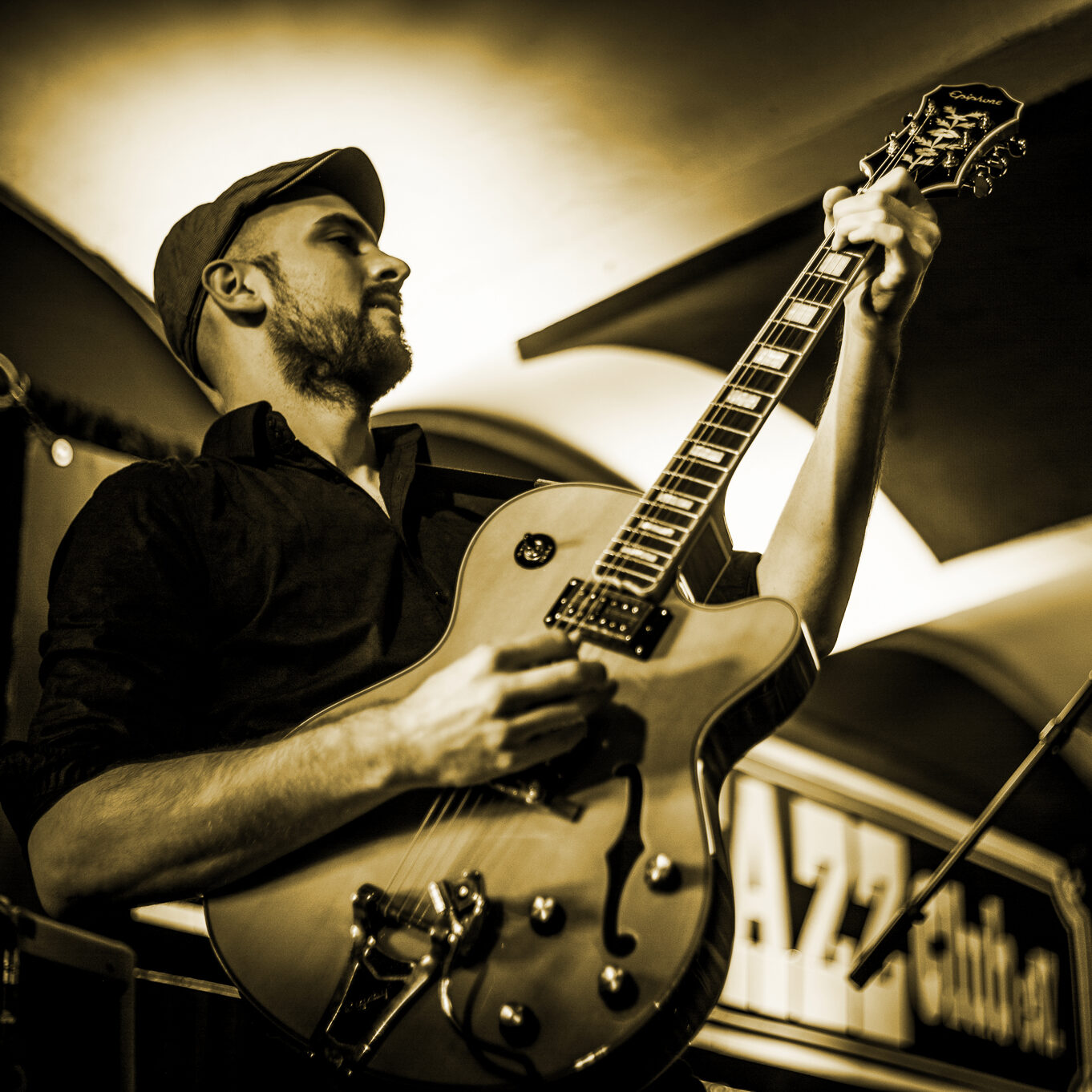
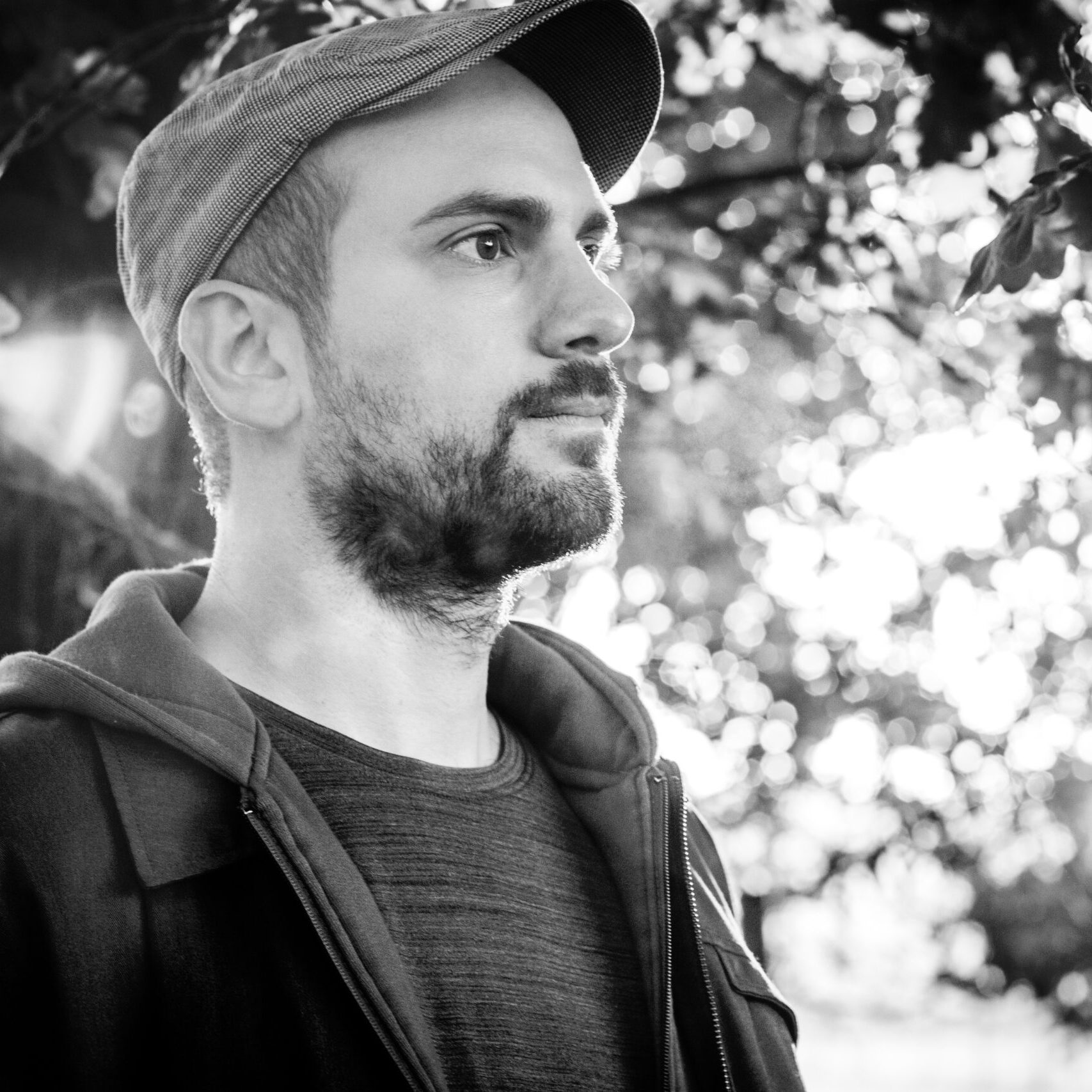
    Andreas Bach is a versatile guitarist, producer, and guitar teacher from Osnabrück, Germany, known for warm tones and calming melodies shaped by years on stage and in the studio. Rooted in guitar-driven rock yet inspired by atmospheric worlds in the spirit of Sigur Rós, Esbjörn Svensson, and Pink Floyd, he blends crafted guitar sound with subtle electronics into intimate, cinematic ambient/downtempo pieces. He’s also the author of Beginner’s Guitar (SCHOTT Music), bringing the same clarity and musical sensitivity to his teaching and writing.

    Andreas Bach
    Andreas Bach

    The Interview

    Introduction

    Q: For those who don’t know you yet: how would you describe yourself as an artist today—especially the role of the guitar as your “voice”?

    Andreas: It’s always difficult to talk about yourself. A brief summary would be: I’m a musician, and my main instrument is the guitar—I’ve been playing it for 30 years. It’s naturally my primary voice, but I also like to try anything I can get my hands on. I love many different genres and tend to take something I enjoy from each of them and weave it into my own music.

    Q: You’re active in very different worlds: ambient/downtempo production on one side, and high-energy live bands on the other. What does each world give you—and what do you take from one into the other?

    Andreas: I have a lot of different sides, and I enjoy contrasts. I love spending hours in the studio crafting calm, atmospheric music—but I also enjoy playing super-heavy rock. One side brings stillness and feels almost like meditation; the other is all about volume, power, and energy.

    Latest Work

    Q: You’ve released solo material and collaborations, and you’ve also worked closely with Thomas Lemmer. How does your mindset change when you create alone versus when you create as a duo?

    Andreas: When collaborating, I always try to get into a flow and bounce ideas back and forth. One person has a small idea, which sparks a new one in me. Each of us can bring something the other can’t—and it goes back and forth. I call it “ping-pong creativity.”

    When I work alone, I don’t need that in the same way. I usually have a very clear idea in my head, and I don’t want anyone to interrupt the process—because I already feel it’s right for me, and I know it will turn out well in the end.

    Creative Approach

    Q: When a new track starts: what usually comes first for you—tone and texture, a chord progression, a melodic hook, a groove, or a specific emotion?

    Andreas: Everything and nothing. I don’t have a fixed system. I can be inspired very quickly by the smallest things: a sound, a beat, a new chord, or even just a specific tempo. Once my brain is fired up, it doesn’t stop so quickly.

    Q: Your guitar sound feels carefully shaped. How do you approach tone-building: fingers vs. pick, dynamics, pedals/amps, layering, and the decision of when a part should stay raw versus processed?

    Andreas: I really like thick and warm guitar sounds—players like David Gilmour and Jimi Hendrix are my heroes. But of course, the tone has to fit the arrangement. So I always try to shape the sound to suit the song. That’s the main goal.

    Andreas Bach
    Andreas Bach

    Personal & Creativity

    Q: You studied guitar and also teach and write about the instrument. How has formal learning—and later teaching—changed your creativity?

    Andreas: I love diving deeply into these topics. I’m always discovering new things that interest me and that I want to learn. Even when I’m teaching a student something, I want to know exactly what I’m talking about so I can explain it well—so you’re constantly working on yourself. Many students also inspire me to explore new ideas. For me, being open-minded definitely fuels creativity.

    Q: On stage, you’re playing music that people instantly recognize; in ambient/downtempo, you’re shaping a mood that is more personal and abstract. What does “authenticity” mean to you across these two extremes?

    Andreas: Yes, true—I play in very different genres. For many people, those seem to contradict each other. Not for me. I just love the variety, and in the end it’s all music. There are only two cases: either I like it or I don’t. The main goal is always to move people with music.

    Andreas Bach
    Andreas Bach

    Q: When self-doubt or creative silence shows up: what helps you move through it? Do you reach for the guitar, the studio, a walk, a routine—what actually works?

    Andreas: Listening to new music. Picking up a new instrument. Collaborating with other people. Or doing something completely unrelated to music for a few days. It always comes back.

    Inspiration & Listening

    Q: What inspires you most right now—other musicians, films, games, places, books, daily life? And how does that inspiration translate into sound?

    Andreas: For me it’s almost always the same: listening to new music and really immersing myself in it—and making music with cool, creative people.

    Q: If you could recommend one piece of music—any genre—that everyone should listen to at least once, what would it be (and why that one)?

    Andreas: It changes all the time for me. But at the moment, I’m really into Ólafur Arnalds (an Icelandic composer somewhere between neoclassical and ambient). Give “Þú ert jörðin” a listen—what a beautiful little composition. Minimalistic, soulful, and deeply touching.

    Creative Philosophy & Vision

    Q: In ambient/downtempo, the line between “beautiful” and “boring” can be thin. How do you keep your music emotionally alive—without overfilling it?

    Andreas: Finding good melodies. Finding nice and interesting sounds. Not overproducing, but still paying attention to cool little details. Avoiding too much copy & paste. Finding an original style that hasn’t been heard a thousand times before. Keeping the music human and natural.

    Q: If there were no limits—no budget, deadlines, or technical restrictions—what would your dream project be right now?

    Andreas: For example: locking myself away with Ólafur Arnalds somewhere in Iceland and composing an album together. Experiencing magnificent nature and getting inspired.

    From Silence to Sound – Creative Identity

    Q: Looking back, what were the biggest turning points that changed how you make music?

    Andreas: Learning how to record myself—and learning how to produce.

    Closing

    Q: When someone listens to your ambient/downtempo music, what do you hope it gives them—calm, focus, comfort, energy, a sense of story, something else?

    Andreas: It should always touch the listener in some way—so they stay tuned in and want to hear more.

    Q: If you could give one piece of advice to someone at the beginning of their creative journey—especially someone navigating doubt or a “silent phase”—what would it be?

    Andreas: If you enjoy it, just do it—do it for yourself. Finish your songs. It gets a little better each time. Don’t compare yourself to others. Everything else will gradually fall into place on its own.

    Andreas Bach
    Andreas Bach

    Q: Finally: what’s next for you?

    Andreas: I’m already working on new songs of my own, and new collaborations are planned again.