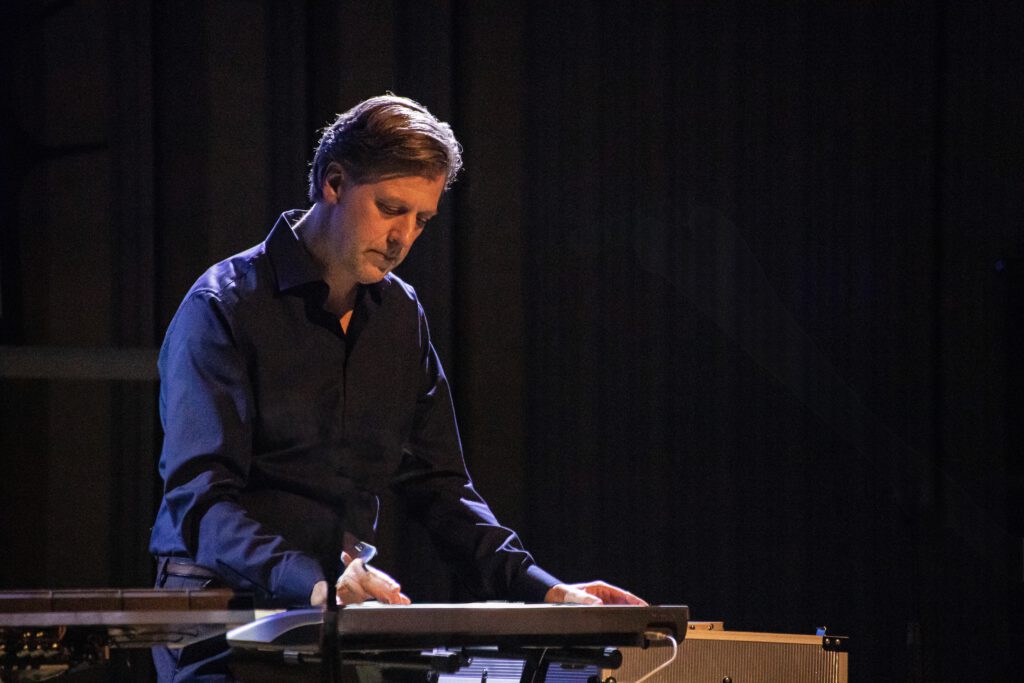
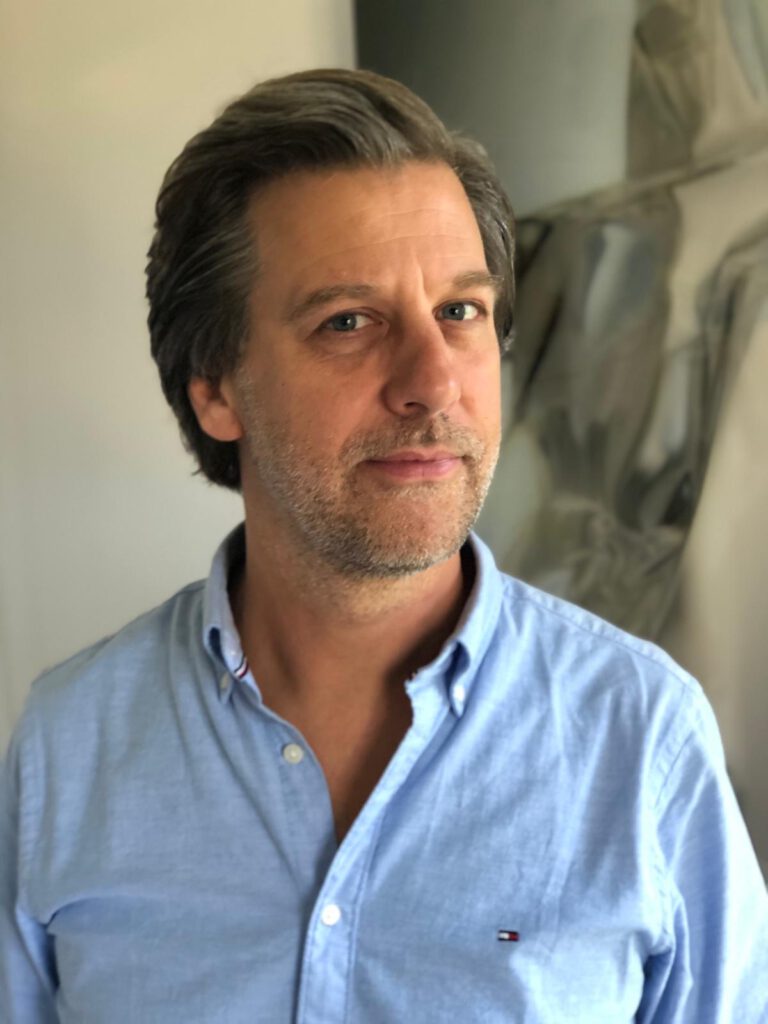
Glint is the atmospheric electronic project of Martin Stehl, blending ambient air, chillout pulse, and cinematic detail into warm, emotionally direct sound. With roots in decades of production across pop, house, and electronic music, he now focuses on music that turns landscape, memory, and motion into immersive listening experiences.
Introduction
Q: For those who don’t know you yet: how would you describe Glint in a few sentences—and what kind of emotional space do you want your music to open for listeners?
Glint: Glint brings together different musical influences and forms something of its own. Sometimes the music is very reduced and clear; at other times, it is multilayered and full of fine details. I’m fascinated by this interplay between simplicity and depth, and by the blending of different genres. What moves me most is when listeners tell me that my music affects them deeply.
Q: Your career began in the 1990s with pop and house production, long before Glint became your cinematic instrumental outlet. What were the key turning points that led you from the club-oriented world into these quieter, more atmospheric soundscapes?
Glint: Good question. I’m also drawn to storytelling—music that not only works in the moment or in a club context, but also carries a narrative. Glint ultimately emerged from that process—not as a conscious break, but more as a natural evolution of what has always interested me musically, yet had not fully come to the surface before.
Latest Work
Q: Hope is your fourth studio album—and it’s the first time piano-based compositions step into the spotlight. How would you describe this album in your own words, and where does it sit in your evolution as Glint?
Glint: Through the piano compositions, a new stylistic and sonic layer emerges—distinct melodic themes, reduced to a few instruments and clear structures. For me, this is an important step in my development with Glint—a kind of condensation in which I try even more to create depth and atmosphere with minimal means.
Q: The press text says, “Sometimes hope is not born out loud, but in silence.” While making Hope, what emotional or conceptual thread did you keep returning to—and what does “hope” mean to you in sound?
Glint: For me, with “Hope,” there was always this feeling that hope is not something loud or imposing. It is something fragile that emerges between the notes. The thread running through it was not a straight path, but more of a circling motion. In sound, hope does not mean a radiant resolution. It is more like a floating chord that never fully resolves—an open space in which something can emerge.
Creative Approach
Q: Hope feels deliberately reduced: warm, organic, and spacious, with subtle electronics supporting the core ideas. How did you approach writing, sound design, and arrangement for this album—and what did you do differently compared to Estival Arvo, Human, or The Beginning?
Glint: This time, I wrote everything on the piano and then created the sounds I imagined for it. When arranging, I rely on intuition. I often have a sense of the spaces where things will happen. In contrast to my previous albums, I only used the DAW when there was no other option.
Personal & Creativity-Related
Q: Do you have a routine or ritual that helps you stay inspired—especially when you’re working with subtle emotions and minimal elements? Or do your best ideas come from spontaneity?
Glint: Often, an idea doesn’t arise at the instrument or in the studio, but from an impulse in daily life that triggers a melody, a chord progression, or a rhythmic pattern. Ideas emerge in quiet environments—when I isolate myself. I experiment mentally with melodies and basslines, and I can already hear certain aspects of an arrangement. I don’t write things down—good ideas are not forgotten. When the time comes, I develop them concretely on my instruments and move into the production phase, where I start working quite early with synthetic sounds and sound design.
Q: How do you deal with creative blocks, self-doubt, or periods of silence—when the studio suddenly feels empty instead of inspiring?
Glint: Well, as often happens, there are tunes that don’t fit the format or ideas that lead nowhere. Then I usually take a few days off and return to the studio with fresh ears. Most of the time, I know how to continue quickly.
Inspiration & Listening
Q: Which artists or albums have inspired you most recently—and what exactly about them sparked you?
Glint: Recently, I listened to Joni Mitchell’s jazz album “Both Sides Now.” It features beautiful orchestral arrangements of well-known jazz pieces, reworked by Vince Mendoza.
Q: If you could recommend one piece of music—any genre—that everyone should listen to at least once, what would it be, and why?
Glint: Bach—“Air” (Orchestral Suite No. 3 in D major, 2nd movement). It is incredibly beautiful and, to me, it has a spiritual energy.
Creative Philosophy & Vision
Q: What role do experimentation and risk-taking play in your music today? For example: shifting from “more elements” to “less,” introducing piano as a lead voice, or letting a track stay fragile instead of ‘fixing’ it.
Glint: Experimentation is very valuable to me—this is often where interesting ideas emerge. It means taking unconventional paths in music—melodies that unfold slowly, harmonies that don’t follow the expected course. It’s about breaking down familiar patterns and exploring what lies beneath them.
From Silence to Sound – Creative Identity
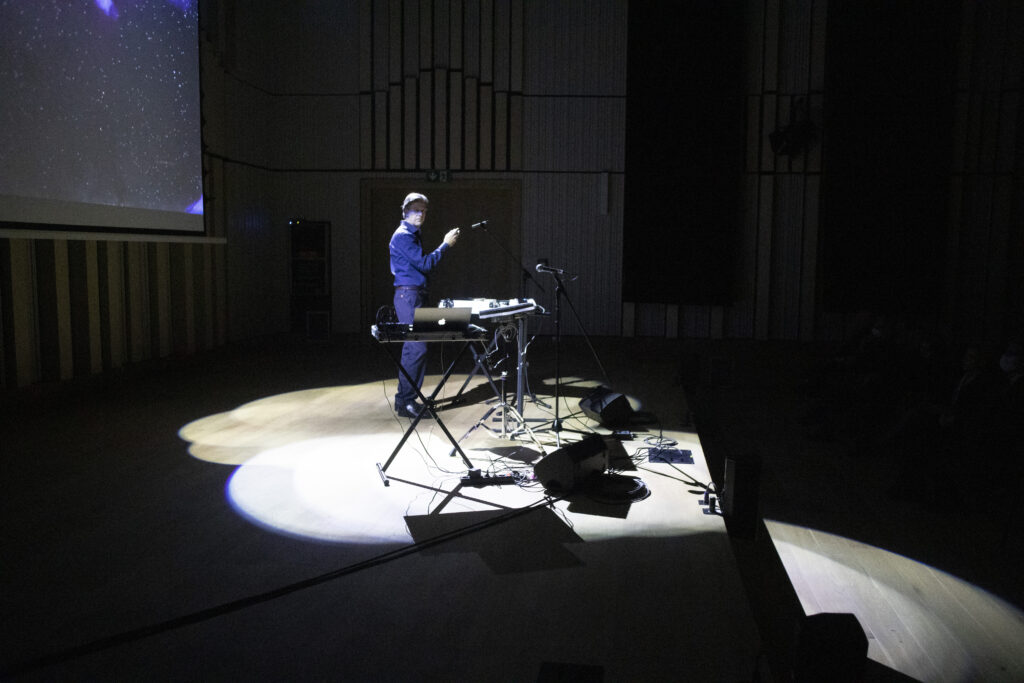
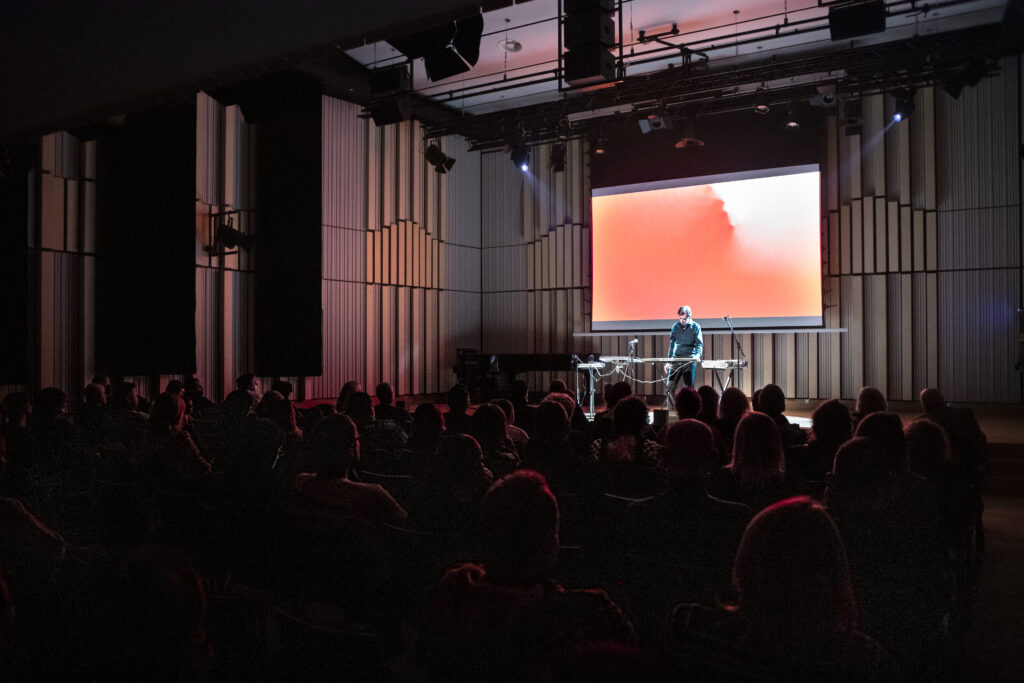
Q: I often explore how personal decisions shape a musician’s signature sound. Which choices most strongly define yours—your harmonic language, your relationship to groove, your instrument palette (piano/textures), your mix aesthetics, your sense of space?
Glint: I try to see and hear everything. It’s the whole picture—the interplay of melody, bass, harmony, and rhythmic intricacies—that fascinates me, especially in more complex music that requires more elements. In those moments, I feel more like an arranger filling in the gaps than an instrumentalist.
Closing
Q: What do you hope listeners feel or take away when they experience Hope—especially on days when they need calm, reflection, or a reset?
Glint: The album invites reflection and, hopefully, conveys to listeners the feeling that hope is still possible.
Q: If you could give one piece of advice to someone at the beginning of their creative journey, what would it be?
Glint: I think you should be open to all styles and try out what you enjoy most. Personally, I approach music with joy. You should love engaging with music—and I simply cannot get enough of it.
Q: Finally, what’s next for Glint—after Hope? What should we be looking forward to?
Glint: Well, if I knew that… it will continue, so let’s be surprised.