On creativity, recognition, and the quiet value of leaving something meaningful behind.
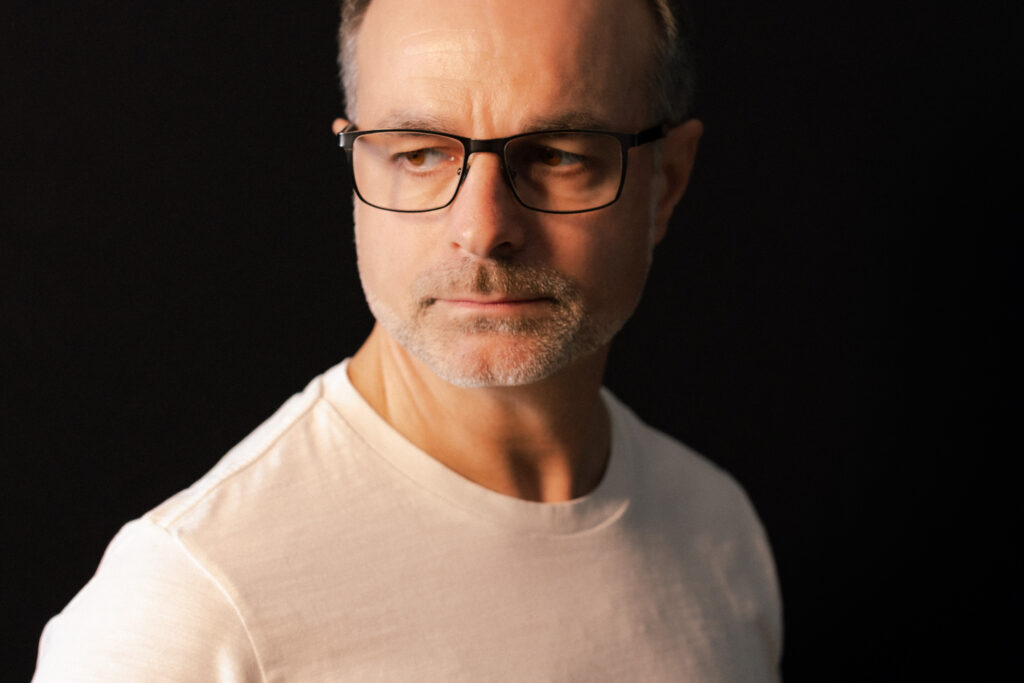
We live in a world that seems increasingly obsessed with success. Every day, we are surrounded by numbers. Streams, followers, likes, views, sales. We measure our achievements, compare ourselves with others, and sometimes find ourselves wondering whether what we do is good enough.
As an artist, I know this feeling. When I release a new piece of music, I naturally hope that people will listen to it. I want it to reach someone, perhaps even touch them emotionally. And of course, knowing that thousands of people connect with something I have created is incredibly rewarding.
But recently, I have been thinking about a different question: What if nobody listened? Would creating music still be worthwhile?
For me, the answer is yes. And I believe understanding why might help us rethink what success really means.
Why Do We Want to Be Successful?
Before questioning success, perhaps we should ask ourselves why we desire it in the first place.
We, humans, have a fundamental need to feel that we matter. We want to be appreciated, to belong, and to know that our actions make a difference. Psychological research offers an interesting perspective on this. Psychologists Edward Deci and Richard Ryan, known for developing Self-Determination Theory, identified three basic psychological needs: autonomy, competence, and relatedness. Their research suggests that feeling free to make our own choices, developing our abilities, and connecting with others are important foundations of human motivation and well-being.
Creating art can fulfill all three. When I compose music, I make countless personal decisions, develop my skills, and overcome challenges. But perhaps most importantly, I enjoy the act of creating itself. Psychologists call this intrinsic motivation: doing something because the activity is inherently rewarding, rather than solely for an external reward. And when someone listens to that music and connects with it, something wonderful happens: an experience that began entirely within me becomes something shared.
Perhaps that helps explain why recognition feels so rewarding. But it also raises another question: Have we started confusing recognition with value?
Imagine two musicians. One releases a song that receives a million streams. The other spends months creating a deeply personal piece of music that only a hundred people eventually hear. Who is more successful?
By conventional measures, the answer seems obvious. But what if the second musician learned something important during the process? What if creating that piece helped them overcome difficulties, develop their artistic voice, or express feelings they could not otherwise communicate? What if that music profoundly touched just one person?
Would that make the work less valuable? I don’t think so.
Of course, commercial success matters. Artists need to earn a living, and reaching a wider audience can open doors to new opportunities. I would never pretend that recognition is unimportant to me. But I increasingly believe that the value of art and its commercial success are two different things. They can coexist beautifully. Yet one should not determine the other.
The Quiet Satisfaction of Creating
One of the things I enjoy most about making music is the process itself. I love sitting in my studio, surrounded by instruments, exploring sounds, and following ideas without knowing exactly where they will lead.
Sometimes everything comes together effortlessly. A melody appears almost out of nowhere. A chord progression feels right immediately. One sound inspires another, and before I know it, something beautiful begins to emerge. Those moments are wonderful.
But some of my most satisfying experiences have come from the opposite.
There are days when nothing seems to work. I might spend hours trying to find the right sound, struggling with an arrangement, or searching for a melody that refuses to reveal itself. Sometimes I begin with absolutely nothing. Just an empty project and the uncertainty of not knowing where to start.
And yet, I have learned that simply beginning is often enough. The first ideas might not be particularly good. Sometimes they are not even worth keeping. But one idea leads to another. Something changes. A new possibility appears. Gradually, through patience, experimentation, and persistence, a piece of music begins to take shape.
When I finally finish something that initially seemed impossible, the satisfaction can be even greater than when everything came easily. Not necessarily because the music is objectively better, but because I know what it took to create it. I have overcome something, learned something, and transformed an idea into something real.
That, too, is success. Even if nobody else ever hears the result.
Are We Measuring Success in the Wrong Place?
Social media has made it remarkably easy to measure attention. We can see exactly how many people listened to a song, liked a photograph, or shared an article. What we cannot measure nearly as easily is meaning.
We cannot put a number on the satisfaction of finishing a difficult composition. We cannot easily measure how much we have grown through years of creative work. And we certainly cannot quantify the emotional significance a piece of music might have for another person.
Yet because numbers are so visible, we sometimes allow them to become our primary definition of success. We look at what other artists are achieving and compare their results with our own. Suddenly, something that once brought us joy can begin to feel inadequate.
A song that made us proud yesterday might seem less impressive today simply because it did not receive the attention we had hoped for. But the music itself has not changed. Only our perception of its value has.
I think this is something worth remembering: Numbers can tell us how far something travels, but they cannot tell us how deeply it matters.
Over the years, I have come to appreciate another way of looking at success. Instead of asking how much attention my latest work receives, I can ask what creating it has given me.
Have I discovered something new? Have I developed my abilities? Have I explored an idea that genuinely interested me? Have I created something I enjoy listening to myself? Have I expressed something that feels true to who I am?
These questions are more personal. They also change how we experience the creative journey.
If success only happens when we reach a particular number of streams, sell a certain number of albums, or receive public recognition, we might spend most of our creative lives waiting to feel successful. But if success also means making progress, overcoming obstacles, and bringing something new into existence, we can experience it throughout the process.
Every finished composition becomes an achievement. Every creative breakthrough matters. Even unsuccessful experiments can be valuable because they teach us something.
Perhaps this is one of the most liberating realizations an artist can have: We do not have to wait for the world to recognize our work before we are allowed to feel proud of it.
Creating Something That Outlives Us
There is another reason why making art matters so deeply to me. It goes beyond personal growth, satisfaction, or recognition.
I want to create something that remains. Something that might outlive me.
When I compose music, I am not simply arranging notes and sounds. I am expressing a particular way of experiencing the world. My memories, emotions, preferences, experiences, and personal sense of beauty all become part of what I create. Someone else might have chosen different chords, instruments, or melodies. But this is how I hear the world. And through music, I can share that perspective with others.
I find something profoundly meaningful in that. Every piece of art carries something of the person who created it. Not necessarily in an obvious or deliberate way, but through countless small decisions that reflect who we are. Our experiences shape our choices, our emotions influence our expressions, and our personal sense of beauty guides what we create.
In a way, art becomes a reflection of a particular human life at a particular moment in time.
And unlike the moment itself, the work can remain.
I sometimes think about the music that has accompanied me throughout my life. Some of it was written decades before I was born. Some of its composers are no longer alive. Yet their work continues to reach me. It can change my mood, bring back memories, offer comfort, or inspire me to create something of my own.
There is something extraordinary about that connection. Someone once sat at an instrument, struggled with an idea, made decisions, perhaps doubted whether the result was good enough, and eventually finished a piece of music. Years or even centuries later, another person can experience something meaningful through that work.
Two people who never met, perhaps separated by generations, can share an emotional experience through art.
I find that thought deeply moving.
And it makes me wonder what might happen to the things we create today. Perhaps a piece of music I compose will become part of someone’s memories. Perhaps someone will listen to it during a difficult time, while traveling, falling in love, or simply watching the world outside their window. Perhaps it will inspire another artist to create something new.
I may never know about any of these moments. And that is perfectly fine.
The meaning of something we create does not end when our own experience of it ends.
Of course, not every work will survive for generations. Much of what we create may eventually disappear, be forgotten, or remain known to only a handful of people. But I don’t believe that makes the act of creating any less worthwhile.
Even something that exists for a short time can leave a lasting impression. A piece of music might accompany someone through a meaningful moment and then fade from their memory, while the feeling it created remains. An artistic idea might inspire another, which in turn inspires another, until its original source is no longer recognizable.
Perhaps leaving something behind is not always about being remembered. Perhaps it is also about contributing something to the ongoing human experience, however small that contribution may be.
I don’t need to imagine my name being remembered a hundred years from now to find meaning in creating. I simply like knowing that something which began as a thought, a feeling, or a melody in my mind can become real and exist beyond me.
Something that wasn’t there before. Something that might make another person’s life a little richer.
And I believe there is enormous value in that.
What If Success Never Comes?
I sometimes wonder how many people stop creating because they believe their work will never be successful.
Perhaps they have written songs nobody listens to, painted pictures nobody wants to buy, or spent years developing a skill without receiving much recognition. Eventually, they begin to ask themselves whether continuing is worth the effort.
I understand that question. Creative work requires time, energy, patience, and sometimes considerable sacrifice. It can be frustrating to invest so much of yourself into something that receives little attention.
But I would encourage anyone facing that doubt to consider what creating has already given them.
Think about the things you have learned, the challenges you have overcome, the moments when an idea suddenly came together, and the satisfaction of creating something that did not exist before. Think about how the creative process has enriched your life, helped you understand yourself, or given you a way to express something that words alone could not capture.
Would you really want to give all of that up simply because the outside world has not responded in the way you hoped?
I believe there is a quiet dignity in continuing to create, even when nobody is watching. Not every piece of art needs to become famous. Not every song needs to reach millions of listeners. And not every creative journey needs to lead to a career.
Sometimes, making something beautiful is reason enough.
A Different Definition of Success
I still want my music to reach people. I still feel happy when listeners tell me that a particular composition has accompanied them through an important moment in their lives. And I still celebrate when a release performs well. There is nothing wrong with wanting our work to be appreciated.
But I don’t want those moments to be the only ones that count.
I want to appreciate the quiet hours in the studio, the unexpected discoveries, the difficult decisions, and the satisfaction of completing something that once existed only as an idea. I want to recognize that every creative experience contributes to who I am, and that every finished work adds something to the world that was not there before.
These thoughts are closely connected to the questions I explore in my book, From Silence to Sound: Unlocking Creativity in Music Production. Writing it gave me another opportunity to reflect on what creativity means to me, not only as a musician, but as a person. And perhaps one of the most important things I have come to appreciate is that creativity is not merely a means to achieve something. It is a meaningful part of life itself.
Perhaps success is not simply about how far our work travels. Perhaps it is also about what we discover along the way, what we bring into existence, and what we leave behind.
Because ultimately, I believe that creating art is one of the things that makes life richer. It allows us to explore who we are, express what we feel, share our perspective on the world, and create something that may continue to resonate long after we have moved on.
And even in a world that seems to grow louder and faster every day, there is still room for something quiet, personal, and meaningful. Something that does not demand attention or need to prove its worth through numbers.
Something that simply exists because someone felt it was worth creating.
And perhaps that is already a form of success.
Thomas Lemmer is an electronic music composer, producer, and author of From Silence to Sound: Unlocking Creativity in Music Production.